

Teacher Newsletter for College Application Season: A Guide for High School
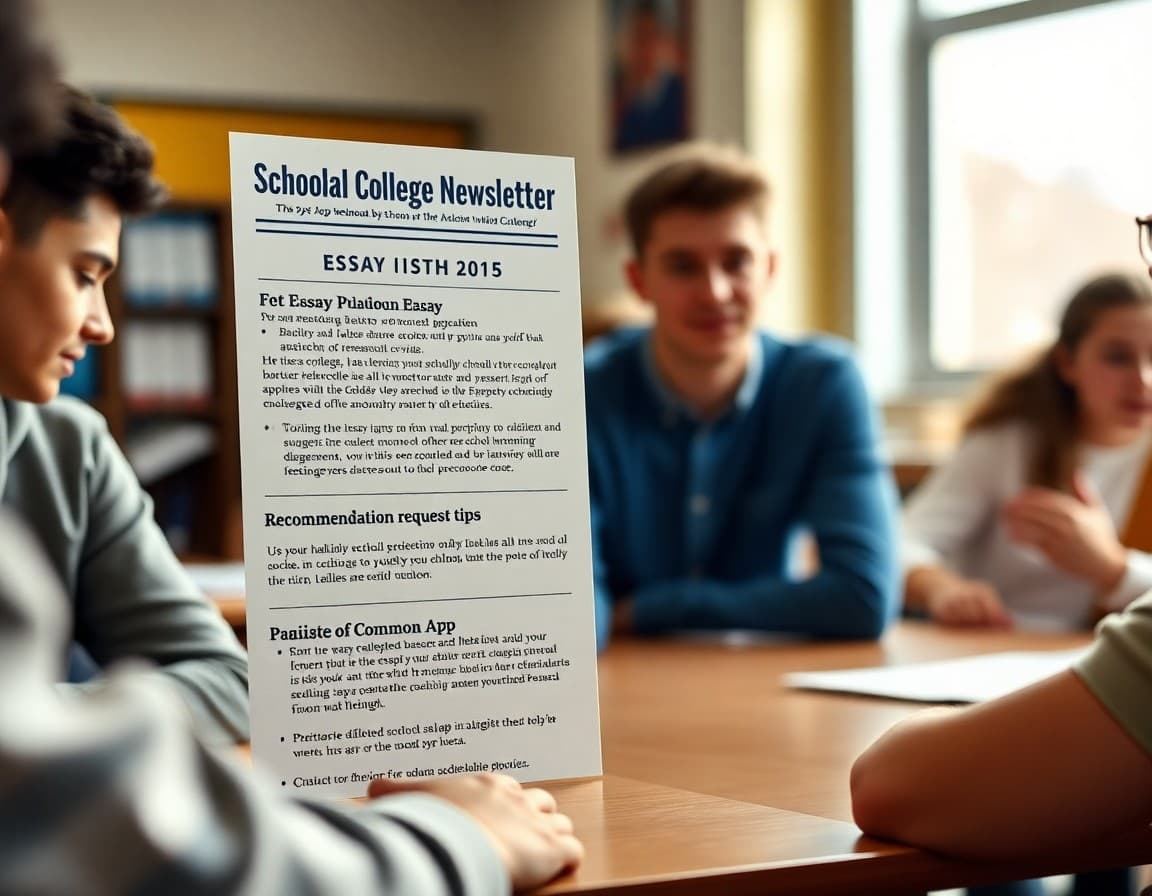
Why Teachers Should Be Part of the College Application Conversation
College applications depend on teachers in ways students and parents sometimes do not fully appreciate until deadline pressure arrives. Recommendation letters require time and specific knowledge of the student. Essay feedback requires a reader with writing expertise. A teacher who communicates proactively about this role, rather than waiting to be asked at the last minute, sets the whole process up for success.
The College Application Calendar Every Senior Family Needs
The Common Application opens August 1. Early decision and early action deadlines are typically November 1 or 15. Regular decision deadlines cluster in January. FAFSA opens October 1. These dates have real consequences for financial aid amounts and acceptance rates. A newsletter that puts this timeline in front of families in September, before the pressure peaks, helps everyone plan rather than react.
Recommendation Letters: What Teachers Need Students to Know
A good recommendation letter requires time and context. Ask students to approach you early (before summer break or no later than early September), provide a resume or brag sheet with their activities and goals, tell you which schools they are applying to and why, and remind you of specific moments from your class that they hope you will reference. The more context a student provides, the stronger the letter you can write.
The Essay: Where Teachers Can Help Most
The college essay is the part of the application where a teacher's feedback genuinely moves the needle. Reading for voice, clarity, and authenticity, pointing out where the writing goes generic, asking questions that push a student to go deeper, these are exactly the skills high school English teachers bring to their work. A newsletter that invites students to share drafts and ask for feedback makes your support visible and accessible.
What Parents Should and Should Not Do
Parents play an important supporting role in college applications: providing information for the FAFSA, helping with logistics, offering encouragement, and respecting the student's autonomy over which schools they apply to and what they write in their essay. The one thing that consistently hurts applications is a parent who writes or substantially rewrites a student's essay. Admissions readers identify this quickly. Your newsletter can address this topic directly without shaming the families who need to hear it.
Financial Aid Communication Alongside Applications
FAFSA submission is often neglected because families assume they will not qualify for need-based aid, or because the October 1 opening feels far from the November application deadlines. In reality, early FAFSA submission directly affects financial aid package size at many schools. A newsletter that connects the application calendar to the financial aid calendar helps families see the full picture.
Supporting Students Who Are Not Applying to Four-Year Colleges
A college application newsletter should acknowledge that not every student in your class is pursuing a four-year college path. Community college, trade programs, military service, gap years, and direct employment are all legitimate next steps. A brief paragraph that validates multiple pathways and offers support for whatever direction a student is heading builds trust with families whose students do not fit the traditional application mold.
Get one newsletter idea every week.
Free. For teachers. No spam.
Frequently asked questions
What should teachers include in a college application newsletter?
A college application newsletter should cover the Common Application opening date (August 1), key early decision and early action deadlines in November, regular decision deadlines in January, what a strong application includes, how to request letters of recommendation from teachers, and any school-specific college counseling resources available to students and families.
How can high school teachers support students during college application season?
Teachers can write strong, specific letters of recommendation, offer essay feedback during the writing process, remind students of deadlines in class and in newsletters, make themselves available for brief application conversations, and communicate clearly about their own recommendation timelines so students are not left guessing. The most helpful thing a teacher can do is respond promptly to recommendation requests.
When should students ask teachers for college recommendation letters?
Students should ask teachers for recommendation letters no later than early September of senior year, ideally before school ends in junior year. Giving teachers at least six weeks before the earliest deadline is standard courtesy. Your newsletter can address this timeline directly so students who procrastinate learn the expectation before they damage a relationship by asking at the last minute.
What do parents need to know about the college application process?
Parents need to understand the difference between early decision (binding), early action (non-binding), and regular decision deadlines. They need to know that FAFSA opens October 1 and early submission increases financial aid options. They also benefit from understanding how to support the essay writing process without rewriting the essay, which admissions officers can identify and which undermines the application.
What tool helps high school teachers send college application newsletters?
Daystage lets high school teachers create formatted newsletters with college application timelines, FAFSA reminders, and recommendation request guidance, then send them to parent and student email lists. A single well-organized communication covers more ground than a series of informal announcements and reaches families who may not realize how time-sensitive the process is.

Adi Ackerman
Author
Adi Ackerman is a former classroom teacher and curriculum writer with 8 years in K-8 schools. She writes about school communication, parent engagement, and what actually works in real classrooms.
More for High School
Ready to send your first newsletter?
3 newsletters free. No credit card. First one ready in under 5 minutes.
Get started free