

Teacher Newsletter for Financial Aid Night: Preparing Families for FAFSA Season
Why This Communication Matters
Financial aid night is one of the most consequential school events senior families can attend. The decisions made around FAFSA, merit aid, and college cost comparison directly affect thousands of dollars in funding. A newsletter that motivates families to attend, and prepares them to use the event well, has real financial impact.
What to Include in Your Newsletter
Include all event logistics: date, time, location, and whether registration is required. Note whether the event will be recorded or whether materials will be shared afterward for families who cannot attend. Make it easy to participate in whatever form the family can manage.
Connecting to Academic and Personal Development
Every program and assignment in high school connects to skills and opportunities that matter beyond the immediate task. Frame your newsletter in terms of what students are developing: communication skills, analytical thinking, professional habits, or specific domain knowledge. Parents who understand the bigger picture take the details more seriously.
Practical Information Families Need
Explain what FAFSA is and why early submission matters even for families who think they will not qualify for need-based aid. Many merit scholarships use FAFSA as part of their process. State grant programs often have their own priority deadlines that require FAFSA to be complete before a specific date. The cost of submitting early is zero. The cost of submitting late can be significant.
How Parents Can Support at Home
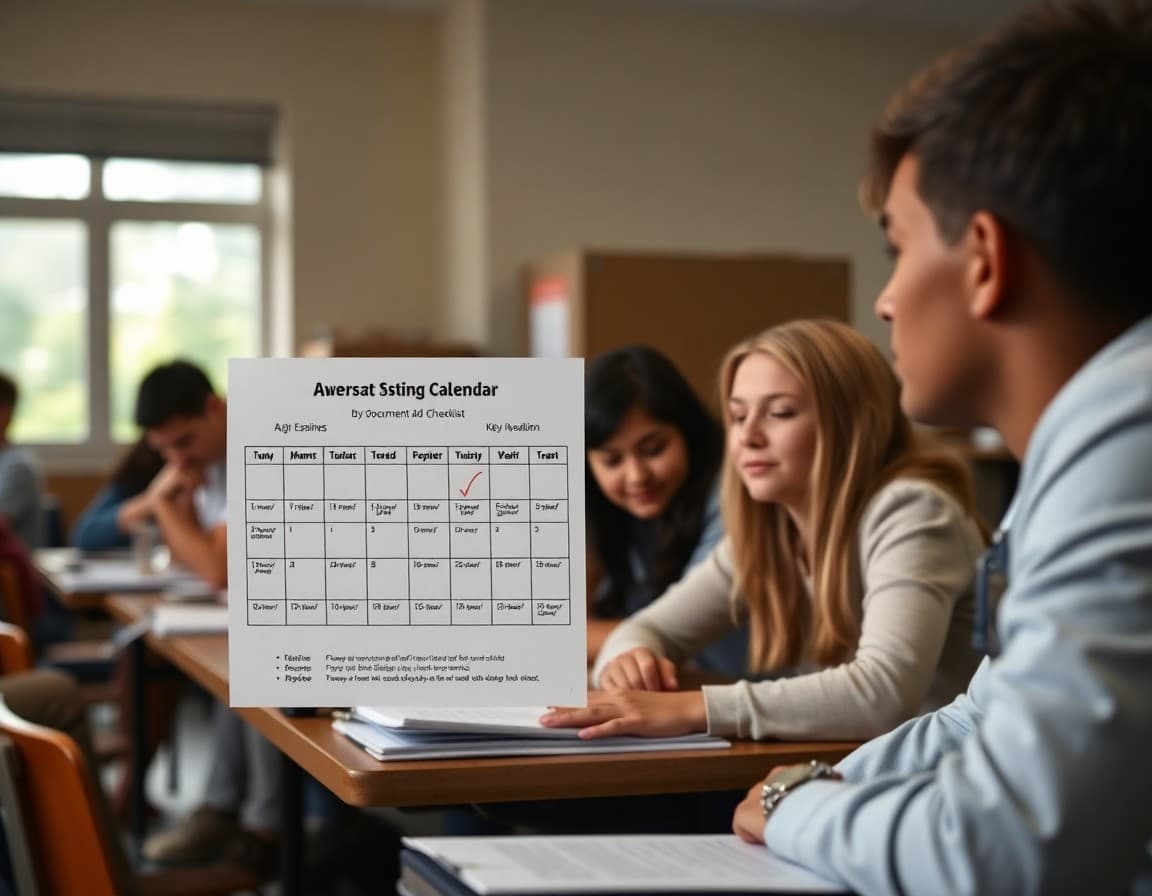
Include a document checklist so families arrive at the event prepared to make progress on their application that same night rather than discovering they need information they left at home. Families who complete part of the FAFSA at the event have significantly higher completion rates than those who leave planning to do it at home later.
Communicating During the Program or Season
An initial newsletter launches the conversation. Mid-program updates sustain it. A brief note covering current progress, upcoming milestones, and any schedule changes prevents the drift that happens when parents go several weeks without contact. Keep follow-up communications shorter than the launch newsletter and focused on what families need to act on right now.
Building Communication That Lasts the Year
A follow-up newsletter after financial aid night that summarizes key takeaways and includes the FAFSA link and state scholarship deadlines serves families who attended but want a reference and those who could not make it. Use a consistent template and a tool like Daystage to keep the sending process fast enough that the habit survives the busiest weeks of the school year.
Get one newsletter idea every week.
Free. For teachers. No spam.
Frequently asked questions
What is the FAFSA and when should families complete it?
The Free Application for Federal Student Aid (FAFSA) opens October 1 of the student's senior year. Families should submit it as early as possible after October 1 because many states and colleges award financial aid on a first-come, first-served basis. Waiting until spring to submit FAFSA is one of the most costly financial aid mistakes families make.
What should a financial aid night newsletter include?
A financial aid night newsletter should cover when and where the event is, what families will learn and do at the event, what documents to bring (tax returns, social security numbers, bank statements), what the FAFSA is and why submitting it early matters, and who to contact with questions if they cannot attend.
What documents do families need for the FAFSA?
FAFSA completion requires the student's and parent's Social Security numbers, federal tax return information from two years prior, records of untaxed income, bank account balances, and information about investments and real estate other than the primary home. Gathering these documents before sitting down to complete the form saves significant frustration. A newsletter checklist helps families prepare.
What happens at a high school financial aid information night?
Financial aid nights typically include a presentation on how college financial aid works, a walkthrough of the FAFSA process, information about state-specific grant and scholarship programs, guidance on how to compare financial aid offers, and an opportunity to ask questions specific to your family situation. Families who attend these events make significantly better financial aid decisions than those who navigate the process alone.
What tool helps high school teachers send newsletters about this topic?
Daystage is built for school communication. High school teachers use it to create formatted newsletters with program details, key dates, and guidance for families, then send them to parent email lists in minutes without extra design work.

Adi Ackerman
Author
Adi Ackerman is a former classroom teacher and curriculum writer with 8 years in K-8 schools. She writes about school communication, parent engagement, and what actually works in real classrooms.
More for High School
Ready to send your first newsletter?
3 newsletters free. No credit card. First one ready in under 5 minutes.
Get started free