School Newsletter for Teens: What High School Students Want to Read
Why Most High School Newsletters Go Unread
Most high school newsletters fail because they are written for an imaginary compliant reader who wants to know about parking lot changes and committee meeting dates. Real teenagers skip them. The newsletters that teens actually read have something for them specifically: their name, their activity, their grade level, their immediate future. Writing for your actual audience starts with asking what they care about.
Content Teens Actually Engage With
Student spotlights. Upcoming events with details that matter (not just the name, but what to bring, how to sign up, whether there is free food). Relevant deadlines like scholarship windows or dual enrollment registration. Brief summaries of class projects that parents and students can reference together. Anything that involves a real student by name tends to circulate beyond your immediate list.
Including Student Voice
Newsletters with student-contributed content get shared. Students tag friends in content they helped create. Even one student-written section per issue, a brief review of a book the class read, a student's reflection on an event, a brief Q&A with a classmate doing something interesting, shifts the newsletter from an announcement channel to a community document. Advisory, English, or journalism classes can rotate newsletter contributions as a regular assignment.
Tone Adjustments for a Teen Audience
High school newsletters should not sound like the principal's voicemail. Write directly. Use the second person. Skip the institutional language. "You have until Friday to submit your scholarship application" lands better than "Students are reminded that the deadline for scholarship submission is approaching." Treat readers like capable people who will act on good information, not like children who need to be reminded repeatedly.
Format and Visual Design for Mobile Readers
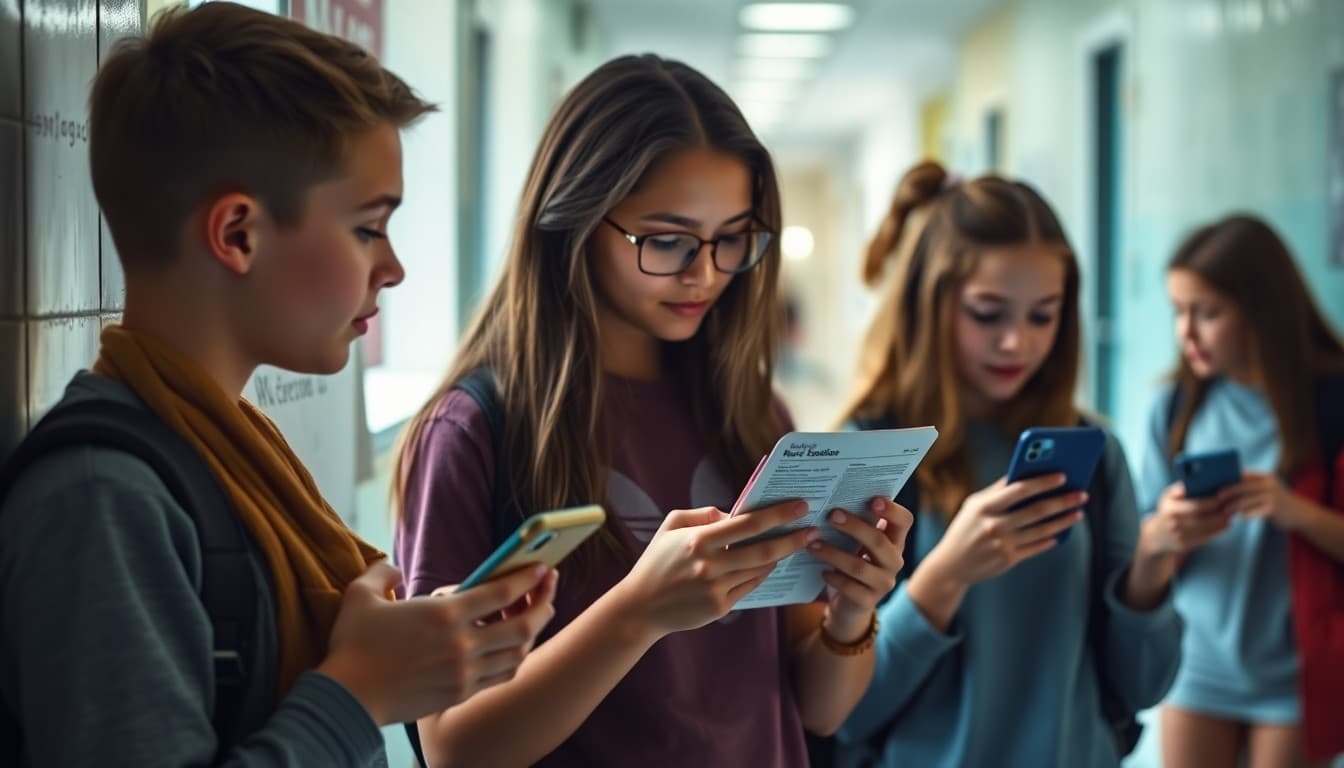
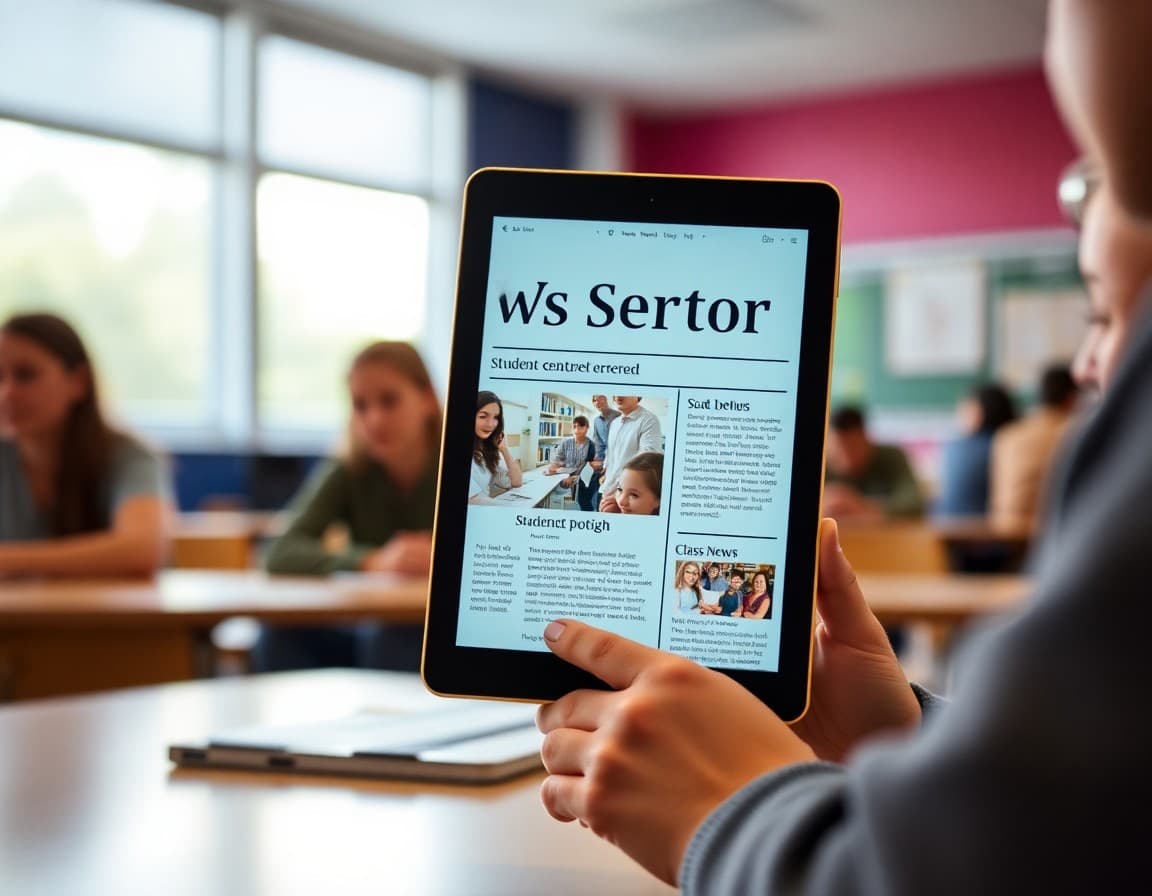
Most high school students check email on their phones. A newsletter that renders poorly on mobile does not get read. Use short paragraphs, clear headers, and a clean layout that loads fast. Avoid walls of text. Images should be purposeful, not decorative. Every section should be scannable in under ten seconds so students can quickly identify what applies to them.
Frequency That Matches Your Audience
Weekly newsletters from every teacher create inbox fatigue. A biweekly update that covers what matters, class news, upcoming deadlines, and one item of genuine interest, outperforms daily fragments. If your school sends a general newsletter, coordinate so your class update complements rather than duplicates it. Frequency should match the volume of meaningful news, not a calendar quota.
Measuring What Works
Open rates tell you whether your subject line worked. Click rates tell you whether your content was relevant. If you use a tool like Daystage, you can track which sections generate the most engagement over time and adjust. When a student spotlight generates twice the clicks of a standard announcement, that is a signal worth acting on. Let the data shape your editorial choices.
Get one newsletter idea every week.
Free. For teachers. No spam.
Frequently asked questions
What do teenagers want to read in a school newsletter?
Teenagers respond to newsletters that feel relevant rather than administrative. They want to see student work highlighted, upcoming events that affect them, information they cannot get anywhere else, and occasionally something surprising or funny. Newsletters that read like official announcements get ignored. Newsletters that include student voice get read.
How is a high school newsletter different from an elementary newsletter?
High school newsletters can assume more background knowledge, use more direct language, cover more complex topics, and involve students as contributors. Elementary newsletters explain everything. High school newsletters can trust that readers have context. The tone is collegial, not parental. The content connects to real outcomes: grades, college, career, activities.
Should high school students help write the school newsletter?
Yes, when possible. Student contributors increase readership because teens share content they helped create. Even a single student-written piece per issue, a spotlight, a review, an opinion, changes the newsletter's feel from institutional to communal. Journalism, English, or advisory classes can take on regular newsletter contributions as a practical writing assignment.
What format works best for high school newsletters?
Email newsletters with short sections and clear visual hierarchy work well for high school audiences. Keep each section to two to four sentences with a clear header. Use images sparingly but purposefully. Link out to longer content rather than including it all in the newsletter. Avoid PDFs and long attachments that require extra clicks to access.
What tool helps high school teachers create teen-friendly newsletters?
Daystage is designed for school communication and gives high school teachers a clean, easy-to-use editor for creating newsletters that look professional without design skills. Teachers use it to include images, links, event blocks, and student spotlights in a format that works well on both desktop and mobile.

Adi Ackerman
Author
Adi Ackerman is a former classroom teacher and curriculum writer with 8 years in K-8 schools. She writes about school communication, parent engagement, and what actually works in real classrooms.
More for High School
Ready to send your first newsletter?
3 newsletters free. No credit card. First one ready in under 5 minutes.
Get started free