
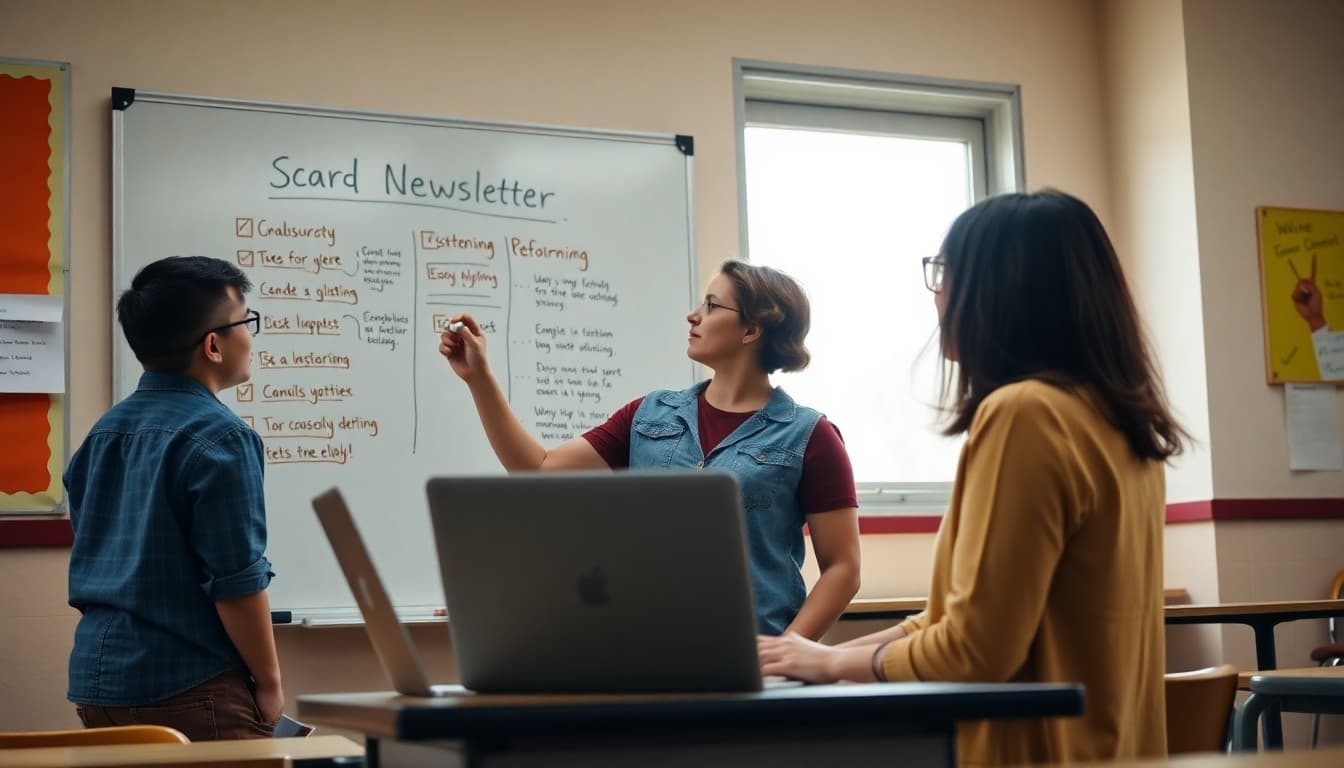
High School Newsletter Ideas: 20 Topics High School Teachers Can Use
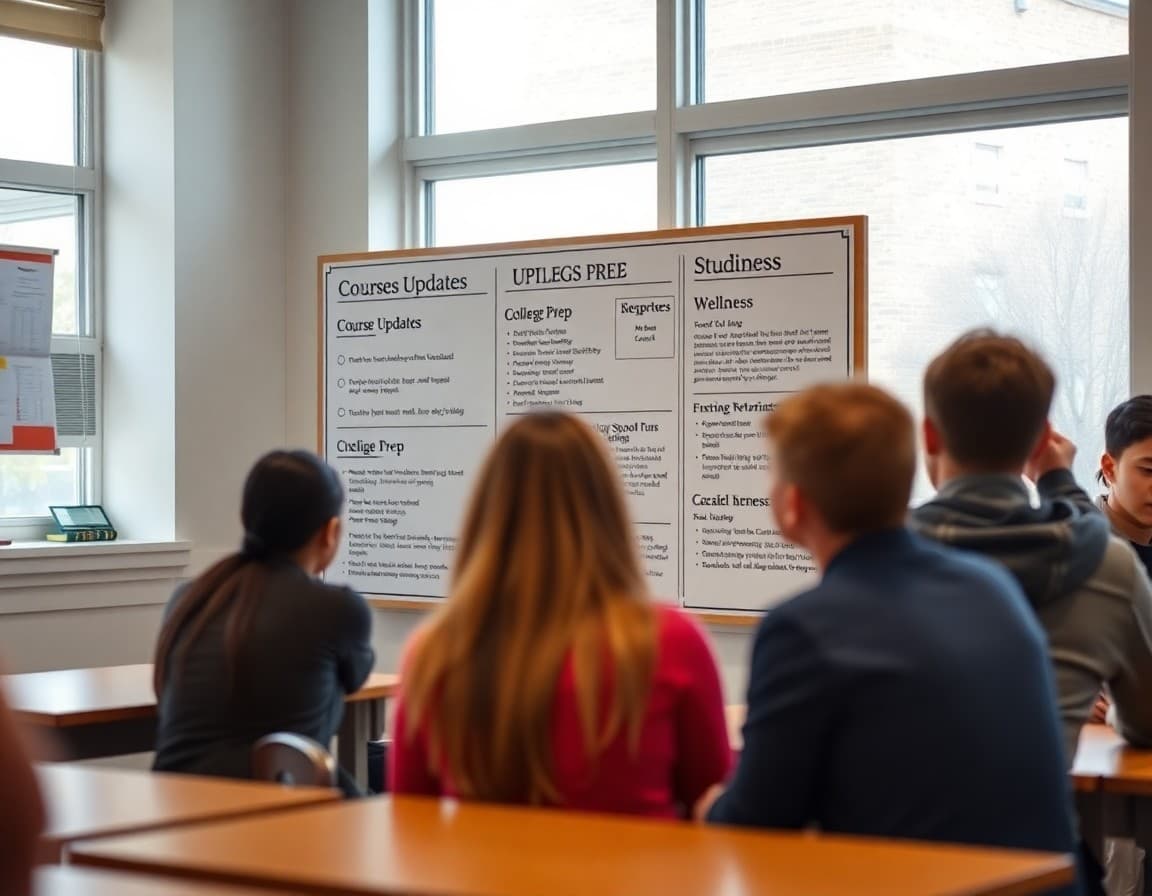
Why Newsletter Ideas Run Out Quickly
Most high school teachers start the year with good intentions about parent communication and run out of newsletter ideas by October. The problem is not lack of content. It is lack of a system for identifying content. The ideas are everywhere: your lesson plans, your upcoming calendar, your observations about how students are doing, the questions you keep getting from parents. The challenge is translating those raw materials into a newsletter before the planning period ends.
Content That Works Every Cycle
Some newsletter ideas work almost every time you use them. A brief unit overview explaining what students are studying and what they need to complete it. An upcoming assessment reminder with preparation resources. A student spotlight highlighting one student by name. A resource recommendation that saves families time. These four categories alone can sustain a biweekly newsletter for an entire school year without repeating yourself.
College and Career Content for Upper Grades
Junior and senior families have a unique content appetite. College application deadlines, FAFSA timelines, scholarship opportunities, dual enrollment registration windows, AP exam prep, and career exploration resources are all topics this audience actively wants to read about. A teacher who provides this information consistently becomes a trusted source that families refer back to when decisions need to be made.
Wellness and Routine Topics That Resonate
Parent newsletters that address sleep, screen time, homework habits, morning routines, and stress management before high-stakes periods get higher engagement than purely academic content. Families dealing with these challenges at home want both validation that these are real issues and practical suggestions they can try this week. Wellness content builds goodwill and keeps parents reading your newsletter even during quiet academic periods.
Seasonal Ideas for Every Quarter
Map your newsletter ideas to the school calendar. Fall: course introductions, first-semester expectations, extracurricular engagement. Winter: semester transitions, exam preparation, second-semester registration guidance. Spring: AP and standardized testing, graduation requirement verification, summer assignment previews. Each season generates natural newsletter topics without requiring creativity from scratch.
Ideas From Your Classroom Observations
Some of the most valuable newsletter ideas come from what you actually observe in class: a question a student asked that changed the direction of a discussion, a common misconception you noticed across student work, a strategy that helped struggling students grasp a difficult concept, a student collaboration that produced unexpectedly strong results. Sharing these observations with parents brings them into the learning in a way that generic updates cannot.
Turning Ideas Into a System
The teachers who communicate most consistently are not the ones with the most newsletter ideas. They are the ones with the simplest system for turning ideas into sent newsletters. Keep a running list of newsletter ideas in your planning materials. Build a template with standard sections. Pick the two or three most relevant ideas from your list each cycle and fill the template. Use a tool like Daystage to send it without wrestling with formatting. Good ideas sent consistently beat perfect ideas sent rarely.
Get one newsletter idea every week.
Free. For teachers. No spam.
Frequently asked questions
What are good high school newsletter ideas for teachers?
Strong high school newsletter ideas include: a course unit overview at the start of each new topic, test prep reminders before major assessments, college application deadline calendars for juniors and seniors, graduation requirement updates, student spotlights, mental health and wellness resources before high-stress periods, summer assignment details, dual enrollment registration windows, extracurricular highlights, and end-of-unit reflections.
How do I choose what to write about in a high school newsletter?
Choose newsletter topics by asking: what do parents need to know right now to support their student? What do families consistently ask about that you could address proactively? What is coming up in the next two to four weeks that requires action? What did you observe in class this week that parents would benefit from knowing? Answers to these questions generate relevant newsletter topics every cycle without needing to invent content.
How can high school teachers make newsletters more engaging?
Make newsletters more engaging by including student voices, being specific rather than vague, using clear headers so the content is scannable, including a call to action when one is needed, and varying the content mix across cycles so every newsletter does not feel identical. Occasional unexpected content, a reflection on something that surprised you in class, a student quote, a resource you found useful, keeps readers curious.
What seasonal newsletter ideas work well for high school teachers?
Fall: course introductions, back-to-school routines, first-semester assessment calendars. Winter: semester reflection, exam prep, second-semester course registration. Spring: AP and standardized test prep, college application completion for seniors, graduation requirements verification, summer assignment previews. Summer: summer reading list, fall course previews, contact information for questions. Seasonal relevance keeps newsletter content feeling current.
What tool helps high school teachers implement newsletter ideas quickly?
Daystage gives high school teachers a clean editor where they can drop in any newsletter idea from a list like this one and send a formatted, professional-looking update to their parent email list in under twenty minutes. Teachers who use Daystage consistently report that having the tool ready reduces the friction that prevents newsletter ideas from actually becoming newsletters.

Adi Ackerman
Author
Adi Ackerman is a former classroom teacher and curriculum writer with 8 years in K-8 schools. She writes about school communication, parent engagement, and what actually works in real classrooms.
More for High School
Ready to send your first newsletter?
3 newsletters free. No credit card. First one ready in under 5 minutes.
Get started free