

Family Health Resources Newsletter: What Schools Should Share and When
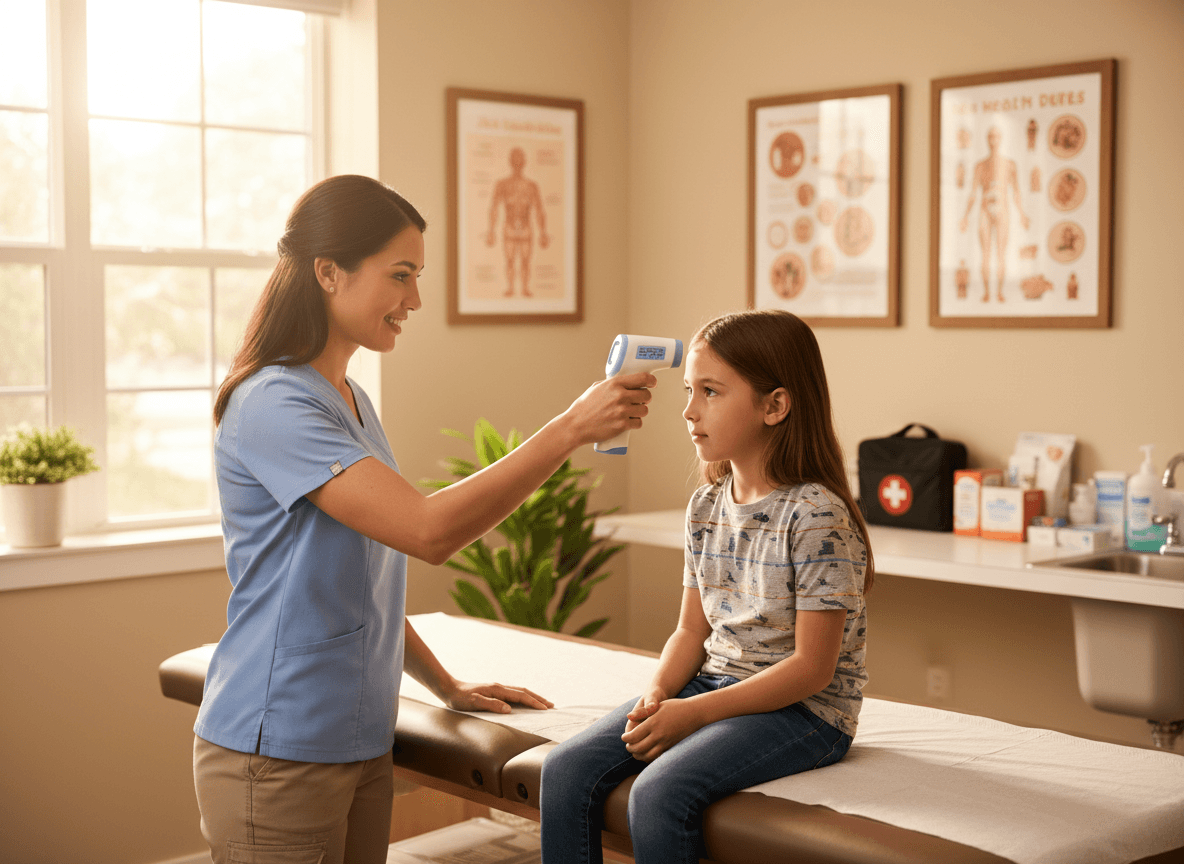
Schools see a cross-section of the community that no other institution does. Teachers and counselors regularly encounter families navigating healthcare gaps, insurance challenges, and resource shortages that affect their children's health and their ability to be present and productive at school. The school newsletter is an underused channel for connecting those families to help.
This guide covers how to build a family health resources section that is genuinely useful, regularly maintained, and presented in a way that does not stigmatize the families who need it most.
Why school health resource communication matters beyond healthcare
Unmet health needs affect academic outcomes directly. A student who cannot see the board because of uncorrected vision problems falls behind regardless of how good the instruction is. A student whose chronic pain or untreated illness is not managed comes to school in a state that makes learning difficult. A family in crisis over a healthcare bill is not fully present for school communication.
A newsletter that connects families to resources addresses the root causes of some of the problems that teachers and principals spend the most time managing. It is not social work. It is smart school communication.
Which resources are most valuable to include
Free and low-cost health clinics serve families who are uninsured or underinsured and cannot access care through a family doctor. Federally Qualified Health Centers (FQHCs) exist in most communities and offer sliding-scale fees based on income. These are worth featuring prominently.
Pediatric dental services are chronically underused by the families who need them most because families do not know what is available. School districts in most states have a relationship with at least one dental program that serves low-income children. Getting that information into the newsletter once per year is worth the effort.
Vision programs for children, especially those administered through Lions Clubs or state health departments, provide free exams and glasses for qualifying students. Undiagnosed vision problems are one of the most common and most correctable causes of academic difficulty in elementary students.
Mental health services with sliding-scale fees or Medicaid acceptance are worth listing separately from school counseling services, because school counselors cannot provide the level of support some students and families need. Community mental health centers, university training clinics, and nonprofit counseling organizations often fill this gap.
How to present resources without stigma
The framing matters as much as the content. A resources section titled "Support for Families in Need" signals that it is for a particular category of families and most families will skip it. A section titled "Health Resources for Our School Community" implies these are for everyone and reads as a general public service.
Including a wide range of resources, from vision programs to mental health services to nutrition assistance, also reduces the stigma effect because no single resource type defines the audience.
Keeping the resources list accurate
A stale resource list is worse than no list. Families who call a disconnected number or show up at a clinic that moved lose trust in the school's communication quickly. Assign one staff member to verify every resource listing at the beginning of the fall semester and again in January. A 20-minute phone or email check twice per year is sufficient.
What the resources section should look like
Short entries work best. Each resource gets a name, a one-sentence description of what they offer, a phone number or website, and one key eligibility detail if relevant. A six-item list of clean, accurate resource entries outperforms a three-paragraph narrative about community health every time.
Include a contact at the school (social worker, counselor, or nurse) who families can reach if they need help identifying the right resource for their situation. Not all families will know which resource fits their need, and a named person to ask removes that barrier.
Get one newsletter idea every week.
Free. For teachers. No spam.
Frequently asked questions
What types of health resources should schools share with families in newsletters?
Free and low-cost health clinics, pediatric dental services, vision programs for uninsured children, mental health services with sliding-scale fees, crisis hotlines, and nutrition assistance programs are all worth including. Schools should prioritize resources that address gaps in coverage, because families with good insurance already know where to go. The most useful resources are the ones families with limited access do not know exist.
How often should schools update their family health resources section?
Review the resources list at least once per semester. Community health clinics change hours, move, or lose funding. A newsletter that links to a resource that no longer exists, or lists a phone number that has changed, damages trust more than not listing the resource at all. One person at the school should own the resources list and be responsible for verifying it twice per year.
How should schools present health resources without stigmatizing families who need them?
Frame resources as useful to all families, not as a list for struggling families. A sentence like 'these are resources the school community uses' normalizes access without signaling that the newsletter assumes certain families are in need. Presenting resources in the same design language as other school content, rather than in a separate 'community needs' section, reduces the othering effect.
What information should each resource listing include?
Name, brief description of what they offer, phone number or website, whether they serve children and families in the school's grade range, and any key eligibility details like income limits or insurance requirements. Four to six data points per resource. A long paragraph about each organization is not necessary and most families will not read it.
How can Daystage help schools maintain an updated family health resources section?
Daystage lets you build a permanent resources block in your newsletter template that you update once per semester when you do your resource verification pass. The block is always visible in the newsletter so families know where to look. When a resource changes, you update the block once and it appears correctly in every future send.

Adi Ackerman
Author
Adi Ackerman is a former classroom teacher and curriculum writer with 8 years in K-8 schools. She writes about school communication, parent engagement, and what actually works in real classrooms.
More for Health & Wellness
School Asthma Management Newsletter: Helping Students Breathe Easier Every School Day
Health & Wellness · 5 min read
School Food Allergy Newsletter: Communicating Policies That Keep All Students Safe
Health & Wellness · 7 min read
School Opioid and Naloxone Policy Newsletter: What Families Need to Know
Health & Wellness · 5 min read
Ready to send your first newsletter?
3 newsletters free. No credit card. First one ready in under 5 minutes.
Get started free