
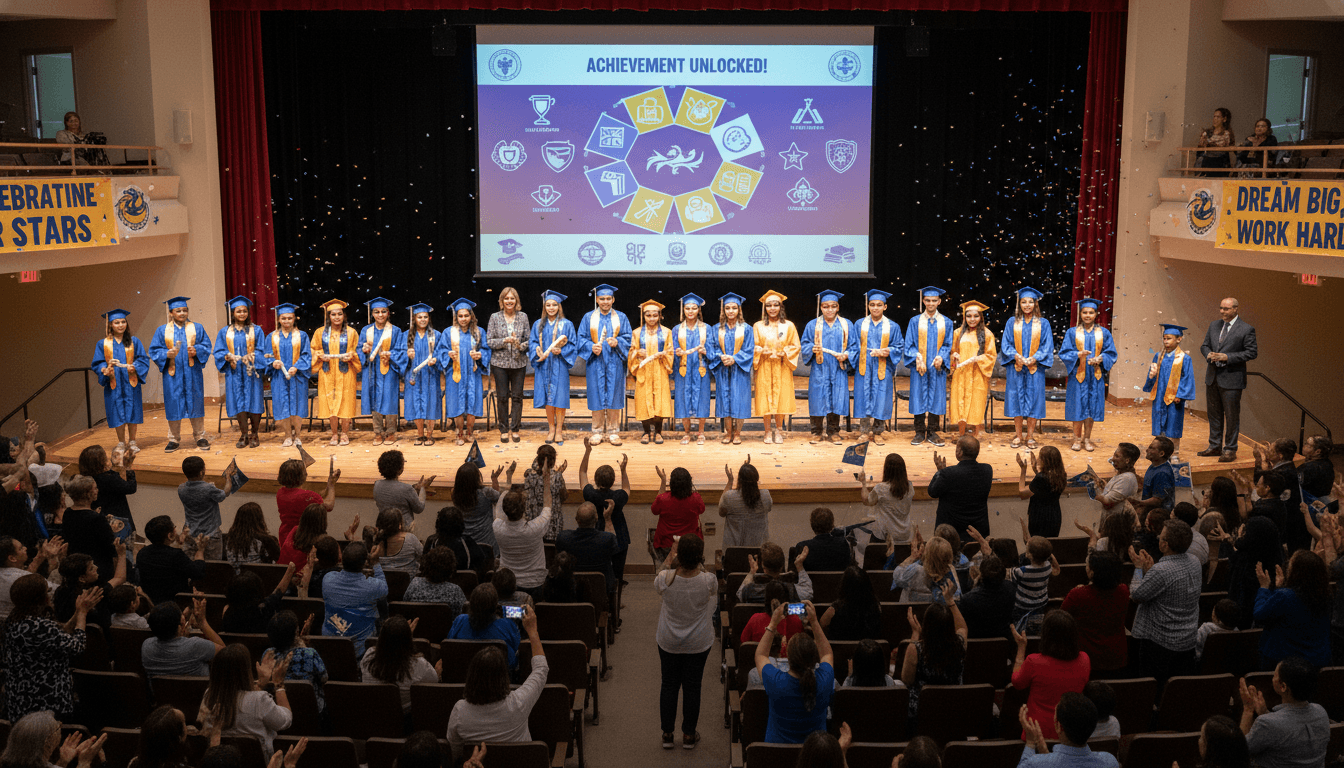
School International Languages Day Newsletter: Celebrating Linguistic Diversity

International Languages Day is one of the school year's most inclusive events when it is done well. Every student and family in the building has a linguistic history that is worth celebrating, whether that is a heritage language spoken at home, a language being studied at school, or the English that connects everyone in the building. A newsletter that invites all of these stories into the same room creates something genuinely communal.
What the event celebrates
Open the newsletter by naming what the event is for: to recognize and celebrate the many languages present in the school community and to build curiosity and respect for linguistic diversity. This framing matters because it sets the tone. An event that celebrates all languages, not just world languages taught at school, includes families whose home languages might not appear in the curriculum but whose presence enriches the community.
Event activities and format
Describe what families will experience when they arrive. Are there language showcase tables? Live demonstrations? Interactive booths where visitors can learn a phrase or script? Cultural performances? Food tied to specific language communities?
Specific activities generate more anticipation than a general description of "celebrating languages." A family who reads that they can learn to write their name in Arabic calligraphy, taste food from the Middle East, and hear student presentations in five languages knows what they are coming to.
How families can participate
Invite multilingual families specifically to share their language. This might mean staffing a table, offering to teach a few phrases, sharing a food recipe from their culture, or speaking briefly about where their language comes from. For families who are interested but nervous about presenting formally, offer informal options like attending and being available to talk with students who approach them.
For families who speak only English, describe the event as a learning opportunity. Coming to listen, taste, and ask questions is a full and valuable form of participation.
Connecting to world languages instruction
Explain what languages students are studying and how the event connects to that instruction. A student who has been learning Spanish for a semester and can now read a short passage aloud at the event has a meaningful, concrete achievement to share. Students across the language curriculum can contribute in ways that reflect exactly where they are, not where they wish they were.
The broader lesson of the day
End the newsletter with the value the school is trying to build through this event. A school that celebrates the languages its families speak at home sends a clear message: your full identity, not just the English-speaking part, belongs here. That message matters most to the families who have experienced the opposite at some point in their lives.
Get one newsletter idea every week.
Free. For teachers. No spam.
Frequently asked questions
What should an international languages day newsletter include?
Cover the event date and format, what activities students and families can participate in, how families who speak languages other than English can contribute, what world languages students are currently studying, and how the event connects to the school's curriculum and values. A newsletter that specifically invites multilingual families to share their languages positions these families as contributors rather than audiences.
How do you celebrate multilingualism without making English Language Learner families feel singled out?
Frame the celebration as one that includes all languages, including English, Spanish, French, Mandarin, and the many heritage languages spoken at home by families in the school community. Emphasize that every language in the room has value, that being bilingual or multilingual is an asset, and that the event is about learning from each other rather than showcasing ELL students specifically. All language backgrounds are equally worth celebrating.
How can monolingual English-speaking families engage with an international languages day?
Families who speak only English can attend as curious learners, help students prepare their language presentations in English, and contribute to activities like learning to count to ten in a new language. The newsletter should make clear that this event is not just for multilingual families. It is for any family interested in the experience of encountering a language different from their own.
What activities work well at a school international languages day?
Language showcase tables where students or families demonstrate a language, interactive activities like learning to write in a different script, food samples from cultures associated with featured languages, and live performances in languages other than English all generate genuine engagement. The newsletter can describe two or three of these activities specifically so families arrive knowing what they will experience.
How does Daystage help schools communicate language events to multilingual families?
Daystage lets schools send event newsletters to all families through a consistent channel, and translated versions reach multilingual families in their home language, which is especially meaningful for an event that celebrates linguistic diversity.

Adi Ackerman
Author
Adi Ackerman is a former classroom teacher and curriculum writer with 8 years in K-8 schools. She writes about school communication, parent engagement, and what actually works in real classrooms.
More for School Events
Ready to send your first newsletter?
3 newsletters free. No credit card. First one ready in under 5 minutes.
Get started free