
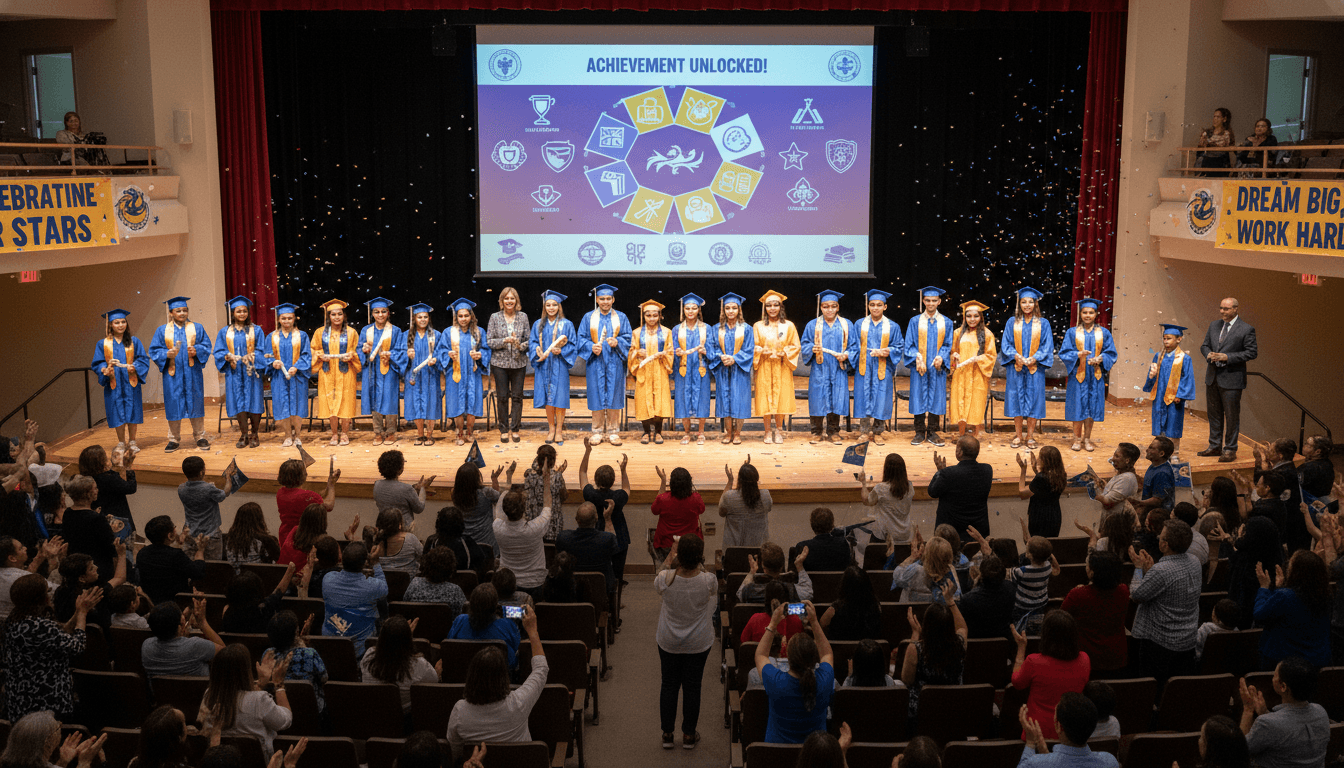
Scholarship Night Newsletter: Recognizing Students and Informing Families

Scholarship night is one of the most meaningful events in a high school's calendar. Students are being recognized for years of academic work, community service, or demonstrated need by community members who chose to invest in them specifically. The newsletter supporting that event should reflect the significance of what is happening, not treat the evening as a logistics announcement.
The recipient letter: personalized and specific
The newsletter to scholarship recipients and their families should not read like a general event announcement. It should read like a letter to a specific family. Acknowledge what the student has accomplished. State the name of the scholarship they are receiving. Explain who the donor is, if that information is appropriate to share.
Families receiving notice that their child has been awarded a scholarship are experiencing something meaningful. The newsletter should honor that moment rather than describe it bureaucratically. The specific details of the award, the donor's intention in establishing it, and what it means for this student's educational path are all worth including.
Event logistics for recipients
Recipients often need to arrive before the general audience for a check-in process, a photo opportunity with donors, or a receiving-line introduction. State this clearly and separately from the instructions for family members attending as guests.
Tell recipients: what time to arrive, where to go, whether there is a dress code (most scholarship nights are formal or semi-formal), and what to bring. Families who show up to a formal ceremony having dressed their student casually because the newsletter did not specify attire feel embarrassed at an event meant to celebrate them.
Event logistics for all attending families
For the general family invitation, cover the start time, the location and entrance, the program duration, and whether there is a reception before or after the ceremony. Include parking information. Note whether additional family members or friends may attend and if there is a guest limit per recipient.
Acknowledging donors in the newsletter
Send a separate pre-event newsletter to scholarship donors. Thank them for their contribution, describe the event format, and give them the logistics they need. If their scholarship has been awarded to a named recipient (and if that information is appropriate to share), tell them who will be receiving the award they funded.
Donors who feel genuinely recognized and informed are more likely to continue their scholarship contributions year after year. The newsletter to donors is an investment in the program's long-term sustainability.
The post-event recap
Send a post-scholarship night newsletter within two days. List the scholarships awarded and the recipients by name (with appropriate privacy consideration for any families who requested otherwise). Thank the donors. Share a photo from the ceremony. Close with a note about how families who want to establish a scholarship or contribute to existing scholarships can do so.
The scholarship night recap is also a community-building document. Families who were not present read it and see what the school community invested in its students. That visibility builds the culture of generosity that makes scholarship programs sustainable.
Get one newsletter idea every week.
Free. For teachers. No spam.
Frequently asked questions
What should a scholarship night newsletter include?
Cover the event date, time, location, and duration. Explain who will be recognized, who will be in attendance (community donors, administrators, families), the format of the evening, and whether recipients should arrive earlier than their families for a check-in or receiving line. Include specific instructions for students who are receiving awards.
When should schools send a scholarship night newsletter?
Send the first newsletter to award recipients and their families three to four weeks before the event. Scholarship night often falls in April or May during a busy academic calendar, and families may need to request time off work or arrange travel. Send a reminder one week before and a day-before note with arrival logistics.
How should the newsletter communicate with donors who will be attending?
Send a separate newsletter to scholarship donors acknowledging their contribution and providing event logistics. Include a brief note on the student who received their scholarship if the donor was not already informed of the recipient. Donors who feel recognized and prepared for the evening are more likely to continue supporting the school's scholarship program.
How should the scholarship night newsletter handle recipients who cannot attend?
State clearly in the family newsletter what happens if a recipient cannot attend: whether a family member may accept the award on their behalf, whether the scholarship will be mailed or available for pickup, and who to contact in advance. Recipients who cannot attend should never receive less recognition than those who are present.
How does Daystage support scholarship night communication?
Daystage lets you send scholarship night notifications to a targeted group of families, including recipients and their households, without exposing the full recipient list to everyone. The pre-event logistics, day-before reminder, and post-event celebration note can all be scheduled in advance.

Adi Ackerman
Author
Adi Ackerman is a former classroom teacher and curriculum writer with 8 years in K-8 schools. She writes about school communication, parent engagement, and what actually works in real classrooms.
More for School Events
School Black History Celebration Newsletter: Making Black History Month Meaningful
School Events · 6 min read
International Night Newsletter: Celebrating Diversity and Getting Families Involved
School Events · 7 min read
School Student Government Election Newsletter: Building Democratic Culture
School Events · 5 min read
Ready to send your first newsletter?
3 newsletters free. No credit card. First one ready in under 5 minutes.
Get started free