
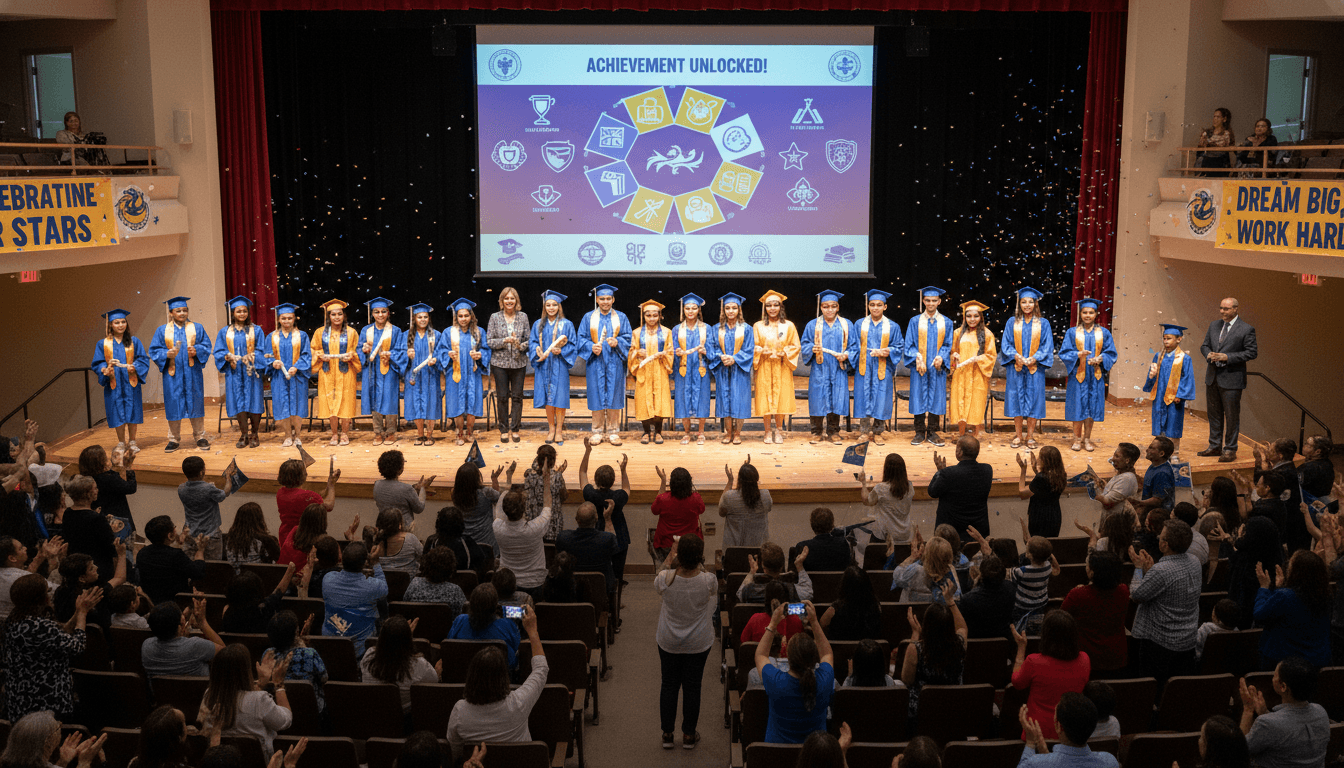
School Student Government Election Newsletter: Building Democratic Culture

Student government elections teach civic participation in a context that is immediate and real. When the process is transparent, the election is genuinely competitive, and the elected officers actually do meaningful work, students learn something about democracy that no civics textbook can replicate. A newsletter that communicates this event well positions it as one of the school year's most important activities, not a formality.
Announcing the election calendar
The election newsletter should go out early enough for students who want to run to prepare their candidacies. Announce the application or nomination deadline, the campaign period, when speeches will happen, voting day, and the announcement date for results. A clear calendar prevents last-minute scrambles and ensures every eligible student has a fair shot.
Describe what each position involves. President, vice president, secretary, treasurer, and class representatives all have different responsibilities. Students who know what they are running for make better candidates and better officials than students who chose a position based on the title alone.
Encouraging broad candidacy
The strongest student governments represent the full diversity of the school, not just the most visible students. A newsletter that explicitly invites all eligible students to consider running, and that describes student government as something for anyone who wants to contribute, not just students who already hold positions, expands the candidate pool.
A brief note from a current officer about what they have done in the role, and what they wish they had known before running, makes the position feel accessible and gives prospective candidates a realistic picture.
Voting process and eligibility
Explain who votes, how, and when. If voting happens in homeroom or advisory, families do not need to do anything. If voting requires students to visit a specific location, include the window of time and the process. Voter confusion on election day depresses turnout and creates the impression that the election is not well run.
Campaign rules also deserve a mention. If there are guidelines about campaign materials, social media, or spending limits, stating them in the newsletter prevents violations that are frustrating for candidates who followed the rules and unfair for the process.
Communicating results
Announce the results to the full school community on the same day results are shared with candidates. A newsletter that announces elected officers by name, thanks all candidates for their participation, and describes what student government will focus on in the coming year closes the election cycle on a constructive and inclusive note.
What student government will do
The most underrated section of any election newsletter is a brief description of what the elected student government will actually work on. Not generic goals but specific projects planned for the year. Families who understand what student government does support it more actively, and students who understand the work are more engaged with the process of electing people who will do it well.
Get one newsletter idea every week.
Free. For teachers. No spam.
Frequently asked questions
What should a student government election newsletter include?
Cover the election timeline, who is eligible to run and vote, how candidates apply or nominate themselves, what positions are being elected, the campaign rules, when and how voting happens, and when results will be announced. If candidate speeches are part of the process, mention whether families are invited to observe. A clear, complete description of the process communicates to the school community that elections are taken seriously and run fairly.
How do you encourage students who have not previously run for student government to consider it?
A newsletter that describes the roles and what student government members actually do, beyond the title, reaches students who might not have thought of themselves as 'the type' to run. Many students assume student government is for students who are already socially prominent. A newsletter that explicitly invites all interested students to consider running, and that describes the work in practical terms, opens the pool of candidates.
How should the newsletter handle a school's first student government or a restructured one?
Explain the structure from scratch rather than assuming families understand it. Name the positions, describe what each one does, explain the relationship between student government and school administration, and be honest about what student government can and cannot change. Families and students who understand the realistic scope of student government are more committed to it than those who expect it to have more power than it does.
How can families support their students through a student government campaign?
Families can support candidates by helping with campaign materials within the rules, reviewing campaign speeches, and providing encouragement regardless of the outcome. They can also help non-candidates understand the importance of voting and what the elected officials will do. A newsletter that gives families a specific role in the process beyond observation creates more family investment in the outcome.
How does Daystage help schools communicate student election information to families?
Daystage lets administrators send election newsletters to all families through a consistent channel, so election information reaches every household rather than only those who are already engaged with school communications.

Adi Ackerman
Author
Adi Ackerman is a former classroom teacher and curriculum writer with 8 years in K-8 schools. She writes about school communication, parent engagement, and what actually works in real classrooms.
More for School Events
Ready to send your first newsletter?
3 newsletters free. No credit card. First one ready in under 5 minutes.
Get started free