
Kindness Week Newsletter: How to Extend the Celebration Into Every Family's Home

Kindness week has more potential than almost any other themed event to change how families interact at home, because kindness is something everyone practices in every environment, not just at school. The challenge is that a school event without a family connection lives and dies within the school day. The newsletter is what extends the week's impact beyond the building and into the places where children spend most of their time.
Here is how to write kindness week communication that actually reaches families and gives them something to act on.
Send the kickoff newsletter on Friday, before the week begins
The kickoff newsletter should go out on Friday afternoon before kindness week starts. This timing gives families the weekend to talk with their children about what is coming and to plan any at-home participation. A Monday morning newsletter announcing that kindness week has already begun misses two days of family engagement opportunity.
The kickoff newsletter should describe the week's themes or daily focus areas, what students will experience at school, and the at-home kindness challenge schedule for the week. Including all five daily challenges in the first newsletter lets families plan ahead rather than receiving one challenge at a time with no context for where the week is going.
Daily home challenges that actually work
The at-home kindness challenges are the core of the family engagement component. For them to work, they need to be specific, time-limited, and achievable without any materials:
- Monday: Write one sentence telling someone in your family what you appreciate about them. Put it somewhere they will find it.
- Tuesday: Do one task at home without being asked. Notice how it affects the person you did it for.
- Wednesday: Send a short message to someone outside your household who might need to hear something kind today.
- Thursday: At dinner, each person shares one kind thing they witnessed at school or work today.
- Friday: As a family, decide on one act of kindness you will do for a neighbor, a community member, or a stranger this weekend.
Families who complete even two or three of these have a very different week than families who received a general message about kindness and did nothing with it.
Midweek newsletter: highlights and momentum
Send a brief midweek newsletter Wednesday or Thursday. Share one or two highlights from the first half of the week: a kindness note a student wrote that moved a teacher, a spontaneous act of generosity in the cafeteria, a classroom discussion that surprised everyone with its depth. Keep this newsletter short. Its job is to maintain momentum, not to re-explain the week.
Include the remaining daily challenges for families who want to catch up. Not every family will have started on Monday. A midweek reminder with the remaining challenges invites those families in rather than suggesting they missed their window.
Post-week recap: what the school built together
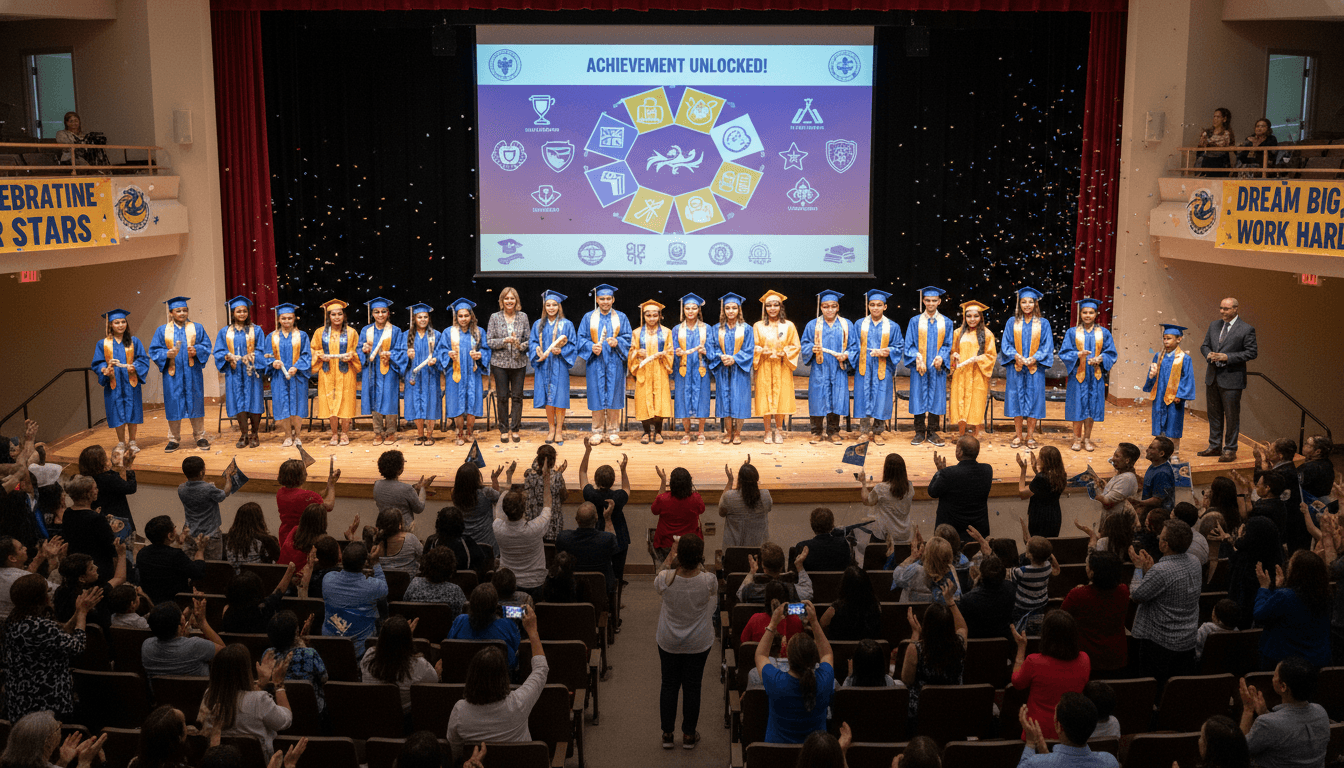
The post-kindness-week newsletter should celebrate what students and families created during the week. Share a summary of kindness acts counted, notes written, or any measurable outcome from the week's activities. Include a photo from one of the school events.
Close by extending the invitation beyond the week itself. Kindness week is a catalyst. The newsletter should signal that the behaviors and habits practiced during the week are what the school community aspires to year-round. One simple suggestion for how families can maintain the habit, like a weekly family kindness challenge or a shared gratitude practice at dinner, gives the week's momentum somewhere to go.
The newsletter as a kindness act itself
The way you write a kindness week newsletter is itself a communication about what kindness looks like in practice. A newsletter that is warm, specific, and personally addressed to families is modeling the same behavior you are asking families to practice. The tone matters as much as the content. Write the newsletter the way you would want someone to write to you.
Get one newsletter idea every week.
Free. For teachers. No spam.
Frequently asked questions
What should a kindness week newsletter include?
Describe the daily themes or challenges planned at school, what students will create or experience during the week, and how families can participate at home. Include a daily kindness challenge families can do together each evening, and explain how the week's activities connect to the school's broader culture of respect and inclusion.
When should schools send a kindness week newsletter?
Send the kickoff newsletter the Friday before kindness week begins so families can plan their at-home participation over the weekend. Send a midweek newsletter to share highlights from the first two days and keep momentum going. Close with a post-week recap that celebrates what the school created.
How should the kindness week newsletter engage families at home?
Include a daily home kindness challenge for each day of the week. Make these specific, simple, and achievable: write a thank-you note, do an unsolicited chore for someone in the house, call a relative and tell them something you appreciate about them. Families who have a specific action are more likely to participate than families who receive a general encouragement to be kind.
What are common mistakes in kindness week communication?
Announcing the week without explaining what it involves is the most common gap. Parents who receive a message saying 'this week is kindness week at our school' without any description of activities or ways to participate have no way to engage. The newsletter should make participation feel accessible and specific, not vague.
How does Daystage help with kindness week communication?
In Daystage you can schedule the three-touch kindness week sequence in advance: the Friday kickoff with the at-home challenge, the midweek highlights, and the post-week recap. All three go out automatically while you are focused on running the activities at school.

Adi Ackerman
Author
Adi Ackerman is a former classroom teacher and curriculum writer with 8 years in K-8 schools. She writes about school communication, parent engagement, and what actually works in real classrooms.
More for School Events
Ready to send your first newsletter?
3 newsletters free. No credit card. First one ready in under 5 minutes.
Get started free