
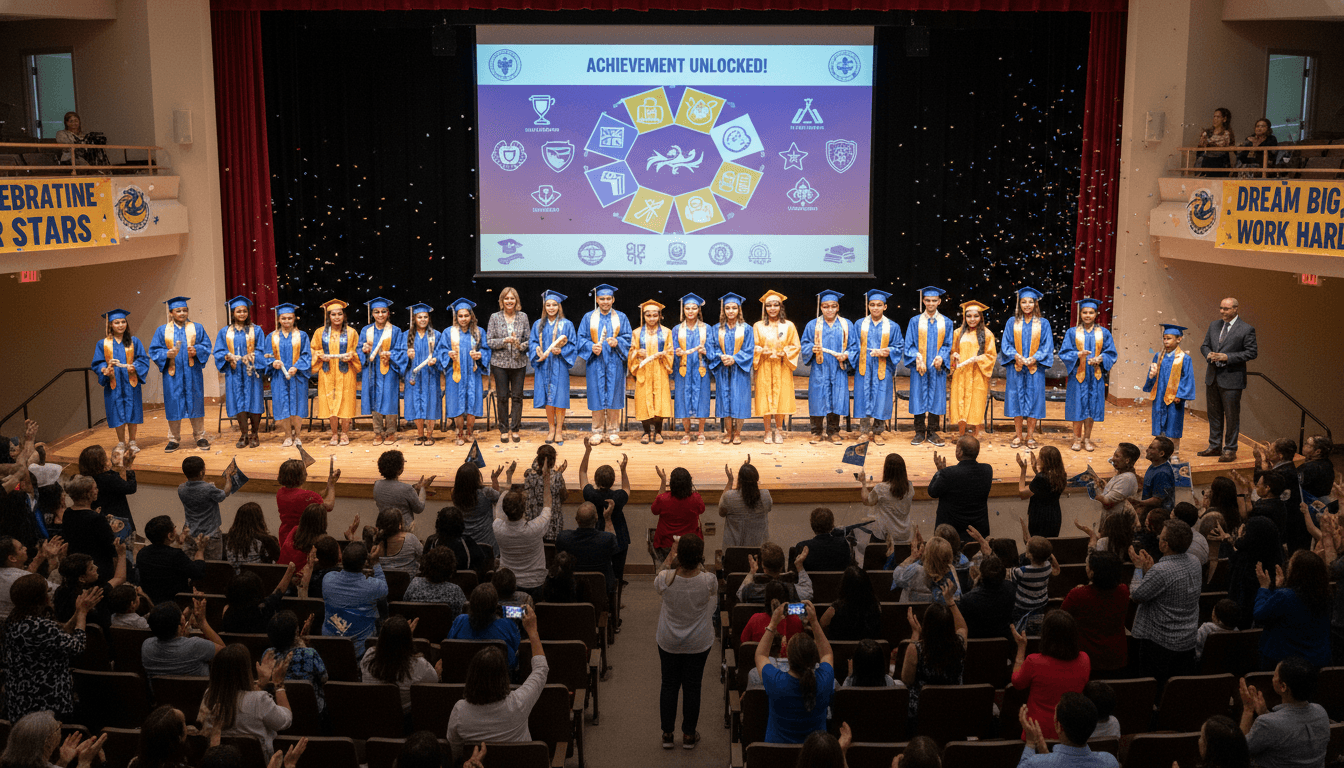
Holiday Program Newsletter: Communicating Your Winter Celebration to Every Family

Holiday programs and winter sings are among the most well-attended family events in an elementary school year. They are also among the most logistically complex: crowded venues, multiple performing grade levels, cultural sensitivity considerations, and the compressed timeline of the holiday season all create communication challenges that a well-structured newsletter sequence can solve before they become problems on the night.
Three weeks out: the full logistics newsletter
The holiday season is the most schedule-crowded time of the year for most families. Holiday concerts compete with family gatherings, religious observances, sports tournaments, and work parties. Three weeks is the minimum lead time for families to prioritize the school performance. One week is not enough for a December event.
The three-week newsletter should cover: date, time, location, which grade levels are performing, approximate duration, where to enter the building, and the seating policy. Include what students should wear. A clear dress code for the stage eliminates the most common parent question from the weeks before the event.
What the program includes
Describe the program content. What songs or pieces will students perform? Are there multiple grade levels performing in sequence? Is there a unified school-wide finale? Are there any spoken parts or readings?
Families who know the program structure arrive with a plan. They know which part of the program is their child's grade. They know approximately how long to stay. They know what to listen for. That context turns passive attendance into genuine engagement.
Cultural and religious inclusivity
Be clear in the newsletter about the nature of the event. A holiday concert focused on a single religious tradition should be described accurately. A winter sing designed to include songs from multiple cultural traditions should explain that design choice.
Families from non-majority cultural backgrounds appreciate knowing in advance whether their tradition is represented in the program. Families with strong religious commitments appreciate knowing whether the program aligns with their values. Neither group should discover the program's content for the first time when their child walks on stage.
Seating, photography, and overflow management
Holiday programs reliably produce overflow crowds. State the seating policy clearly in the newsletter. Are seats reserved for performing students' families? Is it general admission first come, first served? Are there accessible seating areas? Will the event be live-streamed or recorded for families who cannot get a seat?
State the photography and video policy. Most schools permit personal photography but ask families not to stand in the aisles or block other attendees' views. Families who receive this policy in the newsletter are more likely to comply than families who are told at the door.
Dress code for student performers
Include specific dress guidance for students performing in the program. A vague "dress nicely" creates a stage full of vastly different interpretations. "Dark pants or skirt and a white or light-colored top" creates a visually cohesive group of performers without requiring purchased formal wear. Whatever your standard, state it with enough specificity that families can meet it without guessing.
Post-event newsletter
Send a brief post-performance newsletter within two days. Thank families who attended. Share a photo from the performance. Acknowledge the music teacher or teachers who directed the program. Include a link to any recorded video if it was captured. A warm post-event note signals that the school values the evening as more than a logistical obligation, and it closes the communication loop on an event that many families will remember for years.
Get one newsletter idea every week.
Free. For teachers. No spam.
Frequently asked questions
What should a holiday program newsletter include?
Cover the date, time, location, expected duration, which grade levels are performing, what students should wear, where families should enter, and any seating or photography policies. Include a note on how the school has designed the program to be inclusive for families from different cultural and religious backgrounds.
When should schools send a holiday program newsletter?
Send the first newsletter three weeks before the performance so families can plan around competing holiday-season obligations. A reminder one week out and a day-before note with logistics complete the sequence. Holiday performances compete with the busiest personal calendar of the year. Earlier communication is almost always better.
How should the newsletter address cultural and religious inclusivity?
State clearly what the program includes. If the event is a winter sing or winter concert that draws from multiple cultural traditions rather than a single religious holiday, say so. Families from non-Christian backgrounds want to know whether their child's cultural traditions are represented. Families with strong religious commitments want to know whether the program conflicts with their values. Clear description in the newsletter prevents both groups from feeling blindsided.
What are common mistakes in holiday program communication?
Not specifying what students should wear is a frequent omission that produces a chaotic mix of outfits on stage. Another common mistake is not stating the seating policy clearly, which creates conflict when overflow crowds exceed venue capacity and families who arrived on time cannot find seats.
How does Daystage support holiday program communication?
Daystage helps you send the pre-event sequence and reach families who may have missed an earlier notification. During the busy holiday season when families are managing many competing obligations, a direct newsletter is more reliable than a paper notice in a backpack or a social media post they may not see.

Adi Ackerman
Author
Adi Ackerman is a former classroom teacher and curriculum writer with 8 years in K-8 schools. She writes about school communication, parent engagement, and what actually works in real classrooms.
More for School Events
Ready to send your first newsletter?
3 newsletters free. No credit card. First one ready in under 5 minutes.
Get started free