
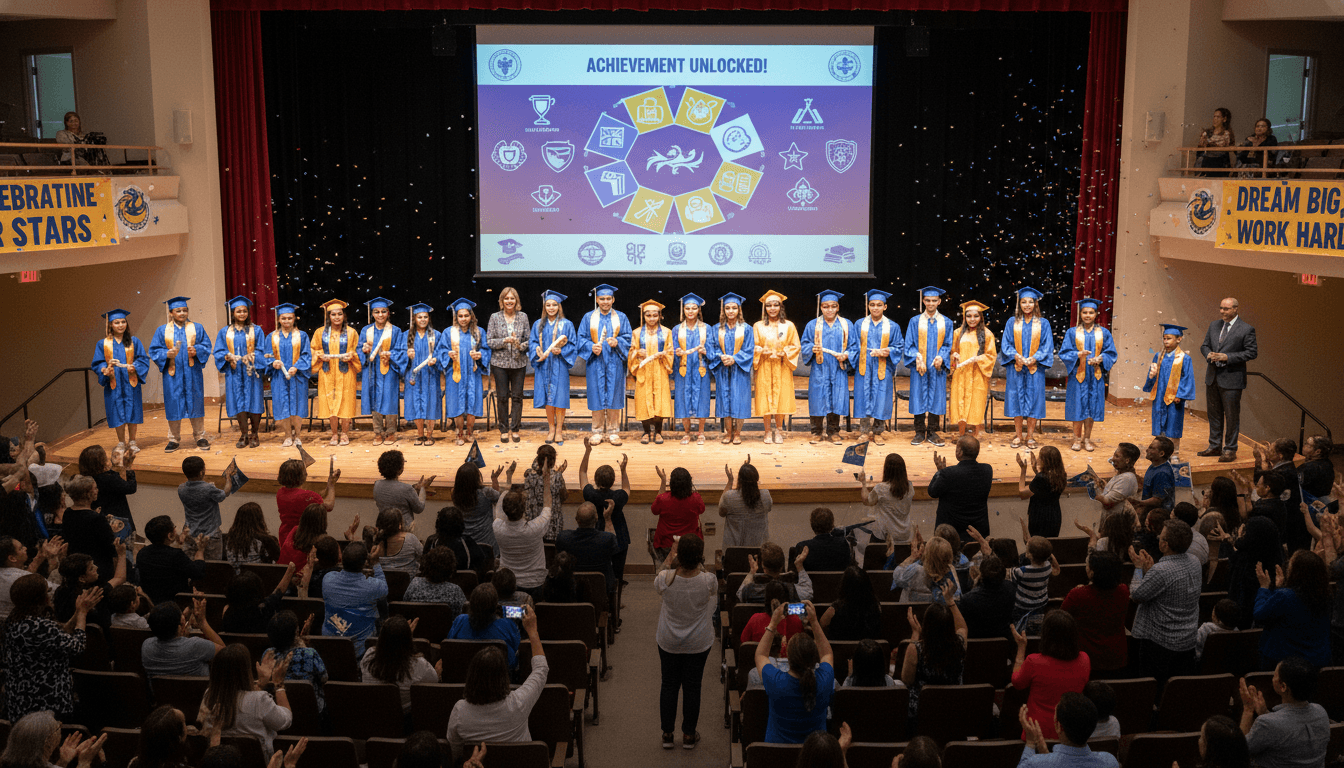
Drama Night Newsletter: Communicating the School Play to Your Full Community

The school play or drama night is the culmination of weeks of rehearsal, memorization, costume construction, set building, and the kind of collaborative effort that teaches students things no worksheet can. The communication around it should reflect that. A newsletter that builds genuine anticipation, prepares every family for the experience, and celebrates the full production team produces an audience ready to receive what students have worked to create.
Start four weeks out with the full production announcement
The first drama night newsletter should go out four to five weeks before opening night. This is especially important for productions with multiple shows, since families who want to invite grandparents or relatives need advance notice to coordinate schedules.
Include: the show title, a two-sentence plot summary that creates anticipation without spoiling the story, the performance dates and times, the ticket price and where to purchase, and when ticket sales open. If tickets tend to sell quickly, say so. Urgency based on honest availability is appropriate and produces faster action from families who want to guarantee their seats.
The show description matters
Families who know nothing about the play they are attending experience the performance differently than families who have some context. A brief show description in the newsletter is not a spoiler. It is an invitation. "This year's production is a comedic retelling of a classic fairy tale, with original songs and a cast of forty students in roles ranging from the heroic to the hilariously villainous" creates anticipation in a way that "our school presents this year's spring musical" does not.
Cast family instructions: separate and specific
Cast families need logistics that differ from the general audience. Create a separate section of the newsletter (or a separate newsletter) for cast members and their families:
- Backstage call time (usually thirty to sixty minutes before curtain)
- Where cast members check in on performance nights
- Costume and makeup instructions
- Any restrictions on family members coming backstage before the show
- Post-show pickup location and time
Cast families who do not receive this information in advance will email the drama teacher individually. Sending it clearly in the newsletter saves that exchange dozens of times.
Audience expectations and etiquette
Include a brief note about audience etiquette. Most audiences for school performances include adults who are experienced theatergoers and children attending their first live performance. A note reminding families that phones should be silenced, photography during the show is handled in a specific way (only at curtain call, no flash, etc.), and arriving on time is expected sets the environment for a performance where students can deliver their best work.
Celebrating the full production in the recap
Send a post-performance newsletter within two days of the final curtain. Celebrate the cast, the crew, the musicians if there was a live orchestra or band, the director, the costumers, and anyone else who contributed. Include a photo from the performance. Share a quote from the director or a student who captured what the production meant.
A student who spent weeks building the set and never appears on stage deserves to be named in the post-performance newsletter. The newsletter is what makes the production a school achievement rather than a spotlight on the leads.
Get one newsletter idea every week.
Free. For teachers. No spam.
Frequently asked questions
What should a drama night newsletter include?
Cover the performance dates and times, ticket pricing and how to purchase, the show's title and a brief description of the plot, what students should wear on performance night, and any backstage arrival instructions for cast members. Include seating policies and whether photography or recording is permitted during the performance.
When should schools send a drama night newsletter?
Send the first newsletter four weeks before opening night. Drama productions typically have multiple performance dates, and families who want good seats and the ability to invite extended family need early notice. Follow with a two-week reminder with ticket sales urgency and a day-before note for cast logistics.
How should the newsletter communicate with cast families differently from the general audience?
Cast families need performance schedules, call times, costume instructions, and any pickup arrangements for after the final bow. General audience newsletters focus on ticket information, parking, the show summary, and performance etiquette expectations. Mixing both audiences in a single newsletter works if the information is clearly organized into sections.
How should the drama night newsletter celebrate every cast member, not just lead roles?
Acknowledge the full company in the newsletter. Name the ensemble, the backstage crew, the tech team, and anyone involved in sets or costumes. A student who spent six weeks building and painting the set has invested as much as any lead actor. The newsletter that names everyone signals that the production was a collective achievement.
How does Daystage support school play communication?
Daystage makes it easy to send the multi-touch drama night sequence: the early ticket announcement, the pre-show reminder with cast instructions, and the post-performance celebration newsletter. You can reach the full school community with one send rather than managing separate cast and audience email lists.

Adi Ackerman
Author
Adi Ackerman is a former classroom teacher and curriculum writer with 8 years in K-8 schools. She writes about school communication, parent engagement, and what actually works in real classrooms.
More for School Events
School Talent Show Newsletter: Communicating Auditions, Rehearsals, and the Big Night
School Events · 7 min read
Family Movie Night Newsletter: What to Send Before the School Screening
School Events · 5 min read
School Athletic Banquet Newsletter: Celebrating Seasons and Student Athletes
School Events · 5 min read
Ready to send your first newsletter?
3 newsletters free. No credit card. First one ready in under 5 minutes.
Get started free