
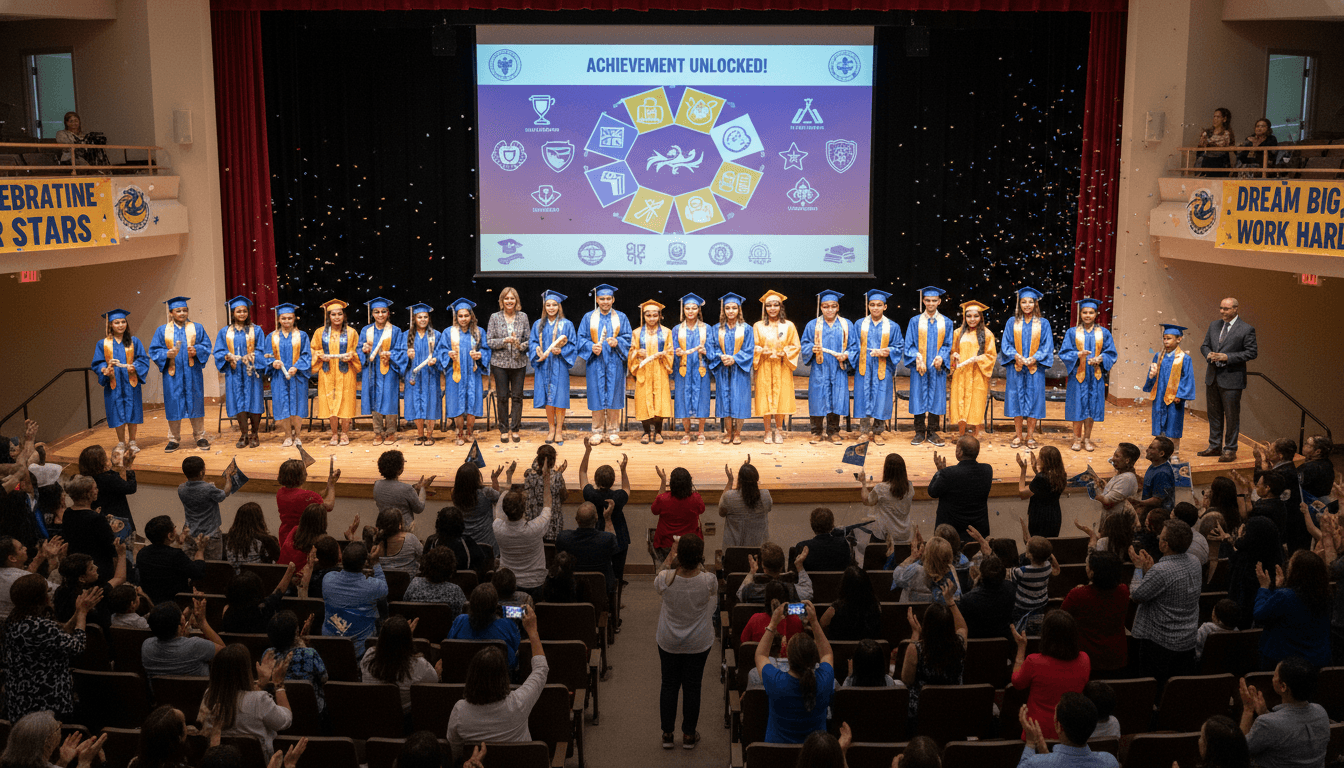
School Athletic Banquet Newsletter: Celebrating Seasons and Student Athletes

The athletic banquet is the formal close of a season or school year for student athletes. Done well, it is a night athletes remember for years: sitting in a room with teammates and families, hearing their season described by someone who watched it closely, and receiving recognition in front of the people who matter most to them. A newsletter that communicates this event with the right level of detail and warmth ensures the room is full.
Event logistics
The logistics section must be complete. Date, time, location, dress code, whether tickets are required and how to purchase them, the ticket deadline, and whether guests beyond immediate family are welcome. Families who receive incomplete logistics ask individual coaches for clarification, which creates unnecessary work and still results in families missing key details.
If the event includes a catered dinner, include any dietary preference or allergy accommodation process. If students are expected to arrive early for a team photo or pre-ceremony staging, specify the arrival time for athletes separately from the general family arrival time.
The evening's program
Describe the format of the evening in enough detail that families can picture it. A welcome from the athletic director, team speeches from coaches, individual award presentations, a season highlight reel, dinner, and a team photo are common elements. Knowing the structure of the evening helps families set their expectations and helps student athletes prepare for any speaking or recognition moment that involves them.
Sports being honored
Name every sport being honored and describe the award categories if they are consistent across sports. MVP, most improved, team captain, coach's award, and sportsmanship awards are common. Families whose students are in less prominent sports need to know their program is fully included in the celebration, not an afterthought following the major sports awards.
Season highlights
Include a brief description of key moments or achievements from the covered seasons. Team records, individual accomplishments, tournament appearances, or milestones give families who were not at every game a sense of what the season produced and what makes it worth celebrating.
Making it special
End the newsletter with a note that sets the tone for the evening: this is a night to celebrate the commitment and camaraderie these athletes brought to their sport, the hard work they put in and the growth they showed. That framing, focused on the people rather than the trophies, primes families and athletes for the kind of evening they will actually remember.
Get one newsletter idea every week.
Free. For teachers. No spam.
Frequently asked questions
What should a school athletic banquet newsletter include?
Cover the date, time, location, dress code, and ticket or registration process, the format of the evening including dinner, awards ceremony, and any speeches or entertainment, which sports are being honored, what award categories will be presented, how families can order tickets, and whether guests beyond the immediate family can attend. Families plan their attendance based on these details, and a newsletter that provides all of them removes the friction that causes families to put off registering until it is too late.
How do you make an athletic banquet feel celebratory rather than formulaic?
Include student and coach voices. A brief quote from a team captain or a coach describing the season's highlights, challenges overcome, or a specific moment worth celebrating makes the banquet feel personal. Generic award categories read in a predictable order feel like an administrative exercise. The same awards presented in the context of specific stories from the season feel like a genuine celebration.
How should the newsletter handle multiple sports with unequal seasons?
A banquet that celebrates fall sports in December, winter sports in March, and spring sports in June may have three separate newsletters. Alternatively, a single end-of-year banquet that celebrates all seasons at once requires a newsletter that gives equal representation to each sport, not just the high-profile ones. If the banquet only covers some sports, say so clearly so families whose student's sport is not included know why and what recognition their student will receive separately.
How far in advance should athletic banquet newsletters go out?
Four to six weeks for the initial announcement, allowing families time to arrange childcare, request time off work, and plan appropriate attire. A reminder two weeks before with any updated logistics. A final reminder one week out confirming the ticket deadline if applicable. Athletic banquets with formal dinner elements often require catering counts well in advance, and the newsletter is the primary tool for securing those commitments.
How does Daystage help athletic programs communicate banquet events to families?
Daystage lets athletic directors and coaches send banquet newsletters to all enrolled sport families through a consistent channel, so registration and attendance information reaches families reliably rather than depending on coaches to relay it individually.

Adi Ackerman
Author
Adi Ackerman is a former classroom teacher and curriculum writer with 8 years in K-8 schools. She writes about school communication, parent engagement, and what actually works in real classrooms.
More for School Events
School Heritage Fair Newsletter: Celebrating Every Family's Story
School Events · 5 min read
School Sports Banquet Newsletter: Recognizing Athletes and Communicating the Event
School Events · 7 min read
Cultural Exchange Program Newsletter: Communicating a Meaningful School Partnership
School Events · 6 min read
Ready to send your first newsletter?
3 newsletters free. No credit card. First one ready in under 5 minutes.
Get started free