
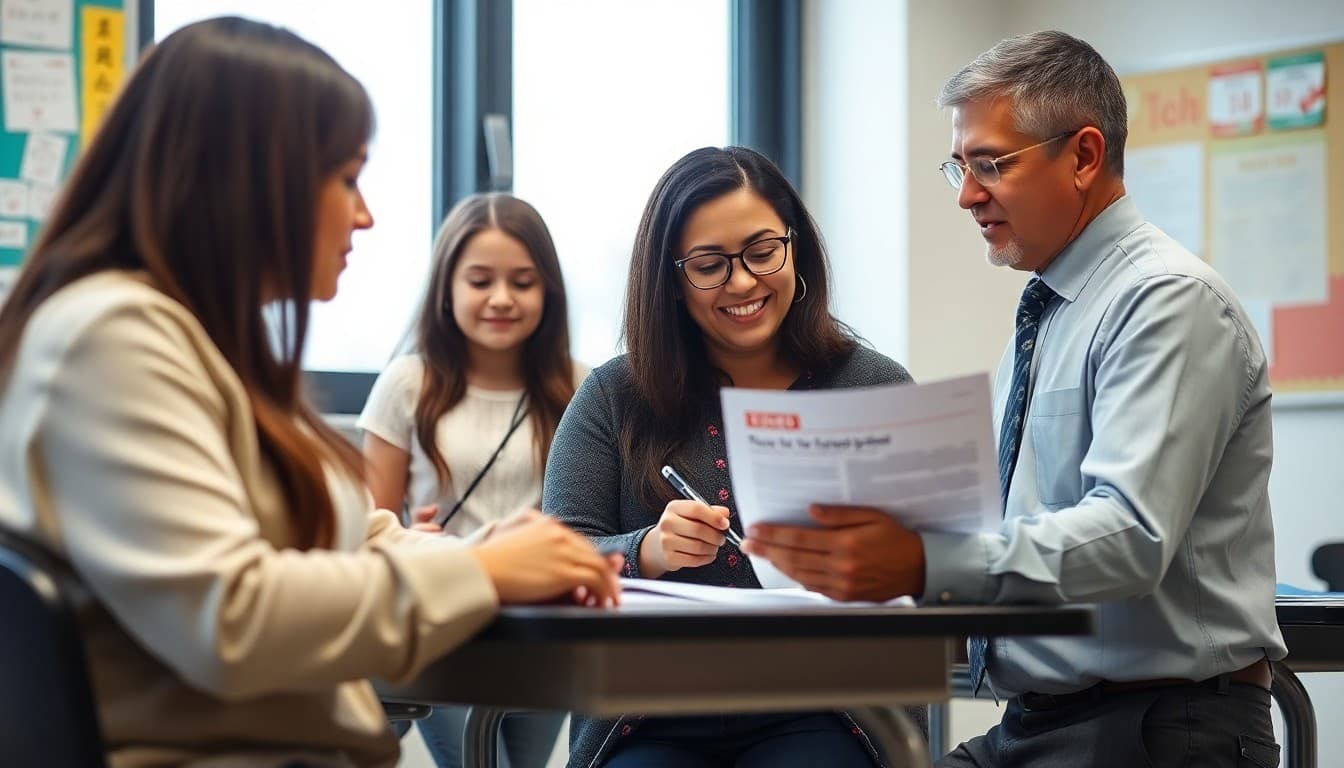
Ohio ELL Program Newsletter: Local Resources and Guide
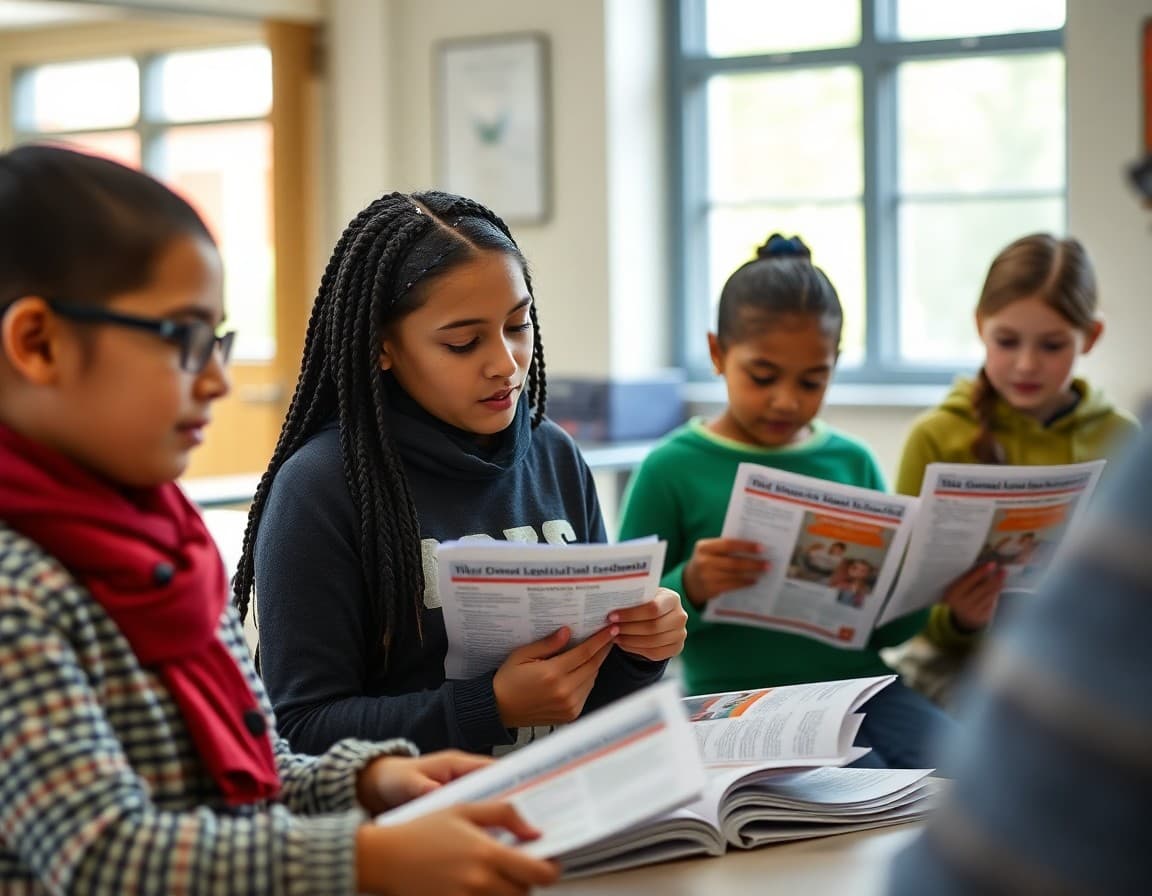
Columbus, Ohio has emerged as one of the most significant refugee resettlement and immigrant destination cities in the United States, and Columbus City Schools serves one of the most linguistically diverse student populations in the Midwest. The city's large Somali community, substantial Nepali and Burmese refugee populations, and growing Latino community create an ELL landscape of remarkable complexity. Cleveland and other Ohio cities have their own significant ELL populations. Effective Ohio ELL newsletters are specific to the community they serve.
Columbus: One of America's Most Diverse Mid-Sized Cities
Columbus has one of the largest Somali communities in the United States, built over 25 years of continuous resettlement. Nepali-speaking Bhutanese refugees arrived in large numbers between 2007 and 2015. Karen, Karenni, and Chin families from Myanmar are present in significant numbers. Arabic-speaking families from Somalia, Sudan, and other countries overlap with the Somali community. Vietnamese, Chinese, and growing Latino communities round out the picture. Columbus City Schools regularly lists over 100 home languages in its ELL enrollment data.
Community Refugee and Immigration Services (CRIS) is one of the largest resettlement organizations in the country and a critical partner for Columbus schools communicating with newly arrived refugee families. CRIS's multilingual case managers often help families navigate school enrollment and initial ELL services.
Ohio ELL Program Structure
Ohio uses WIDA ACCESS for annual ELL proficiency testing and follows the WIDA framework for English language development standards. ELL newsletters should explain what WIDA ACCESS measures, when it occurs, what proficiency levels indicate about a student's English development, and when students become eligible to exit ELL services. Include information about how families will be notified about assessment results and what those results mean for next year's program placement.
Cleveland's ELL Communities
Cleveland Metropolitan School District serves a large Spanish-speaking ELL population as well as significant refugee communities. The International Institute of Cleveland has a long history of serving immigrant and refugee families in northeast Ohio. IRC Cleveland serves refugee families. Cleveland also has established Puerto Rican and Mexican-American communities with deep roots in the city. ELL newsletters for Cleveland schools reflect a community with multi-generational immigrant history alongside more recent newcomers.
Ohio Department of Education Resources
ODE's English Learner Programs unit provides guidance and family resources on the ODE website. Ohio's Educational Service Centers provide regional support including translation resources and professional development for ELL educators. WIDA's multilingual family resources in Somali, Nepali, Karen, Spanish, and many other languages are worth linking to from Ohio ELL newsletters. Columbus City Schools and Cleveland MSD have developed additional multilingual family communication resources that can serve as models for other Ohio districts.
Columbus Community Organizations
Community Refugee and Immigration Services (CRIS) is the anchor resettlement organization in Columbus, with multilingual staff and comprehensive family services. IRC Columbus serves refugee families. The Somali Community Association of Ohio serves Somali community needs. Ethiopian Tewahedo Social Services serves East African communities. Catholic Social Services Diocese of Columbus serves immigrant families broadly. Columbus Metropolitan Library has multilingual collections and ESL programs in many languages including Somali and Spanish.
Somali Family Communication in Columbus
Columbus's Somali community has been there long enough to have developed strong community institutions. Mosque networks serve as trusted information hubs. Somali community organizations provide wraparound support. Established Somali community members often serve as informal interpreters and navigators for newly arrived families. ELL newsletters for Columbus schools with large Somali enrollment can reference these community resources and frame the school as a partner with the existing community infrastructure rather than the sole source of support.
Using Daystage for Ohio ELL Newsletters
Daystage supports Ohio ELL coordinators in creating newsletters with Somali, Nepali, Karen, Spanish, Arabic, and other language sections and delivering them to family groups by language. For Columbus City Schools with over 100 home languages, Daystage's segmented delivery by language group makes professional multilingual communication manageable at scale.
Get one newsletter idea every week.
Free. For teachers. No spam.
Frequently asked questions
What languages are most common among Ohio ELL students?
Spanish is the most common home language among Ohio ELL students, with concentrations in Columbus, Cleveland, and communities tied to food processing and agriculture. Somali is the second most common in Columbus, which has one of the largest Somali communities in the United States. Arabic is significant in the Columbus area, with a large Somali Muslim community and separate Arab-American communities. Nepali (Bhutanese refugees), Karen and other Burmese languages, and Vietnamese are also significant. Columbus's reputation as one of the most welcoming refugee cities in the Midwest is reflected in its extraordinarily diverse ELL population.
What makes Columbus, Ohio notable for ELL education?
Columbus has one of the largest Somali communities in the United States -- larger even than most coastal cities. The Columbus City Schools system serves one of the most linguistically diverse student populations in the Midwest, with students speaking over 100 different home languages. Columbus has also received significant Nepali-speaking Bhutanese refugees, Karen and Karenni families from Burma, and families from many other countries. Columbus's diverse immigrant and refugee communities have developed substantial community infrastructure that supports school-family communication.
What state agency oversees Ohio ELL programs?
The Ohio Department of Education (ODE) oversees ELL programs through its English Learner Programs unit. Ohio administers the WIDA ACCESS assessment. ODE provides guidance and family resources on the ODE website. Ohio's Educational Service Centers (ESCs) provide regional support to districts for ELL programs, translation resources, and professional development. Columbus City Schools and Cleveland Metropolitan School District have their own substantial ELL program infrastructure.
What community resources serve Ohio ELL families?
Columbus resources include Community Refugee and Immigration Services (CRIS), which is one of the largest refugee resettlement organizations in the country. IRC Columbus serves refugee families. The Somali Community Association of Ohio serves the Somali community. Ethiopian Tewahedo Social Services provides support for East African families. Catholic Social Services of the Diocese of Columbus serves immigrant families. Cleveland resources include the International Institute of Cleveland, Catholic Charities of Cleveland, and the IRC Cleveland office. Ohio Legal Help and Pro Bono Net provide immigration legal resources.
How does Daystage support Ohio ELL newsletters for Columbus's diverse communities?
Daystage lets Ohio ELL coordinators build newsletters with Somali, Spanish, Nepali, Karen, and other language sections and deliver them to family groups by language. For Columbus schools serving extraordinary multilingual diversity, Daystage's segmented delivery makes reaching different communities with appropriate content practical in a single workflow. Columbus City Schools coordinators who use Daystage report that digital delivery significantly increases the reach of ELL communication compared to paper distribution alone.

Adi Ackerman
Author
Adi Ackerman is a former classroom teacher and curriculum writer with 8 years in K-8 schools. She writes about school communication, parent engagement, and what actually works in real classrooms.
More for ELL & ESL
Ready to send your first newsletter?
3 newsletters free. No credit card. First one ready in under 5 minutes.
Get started free