
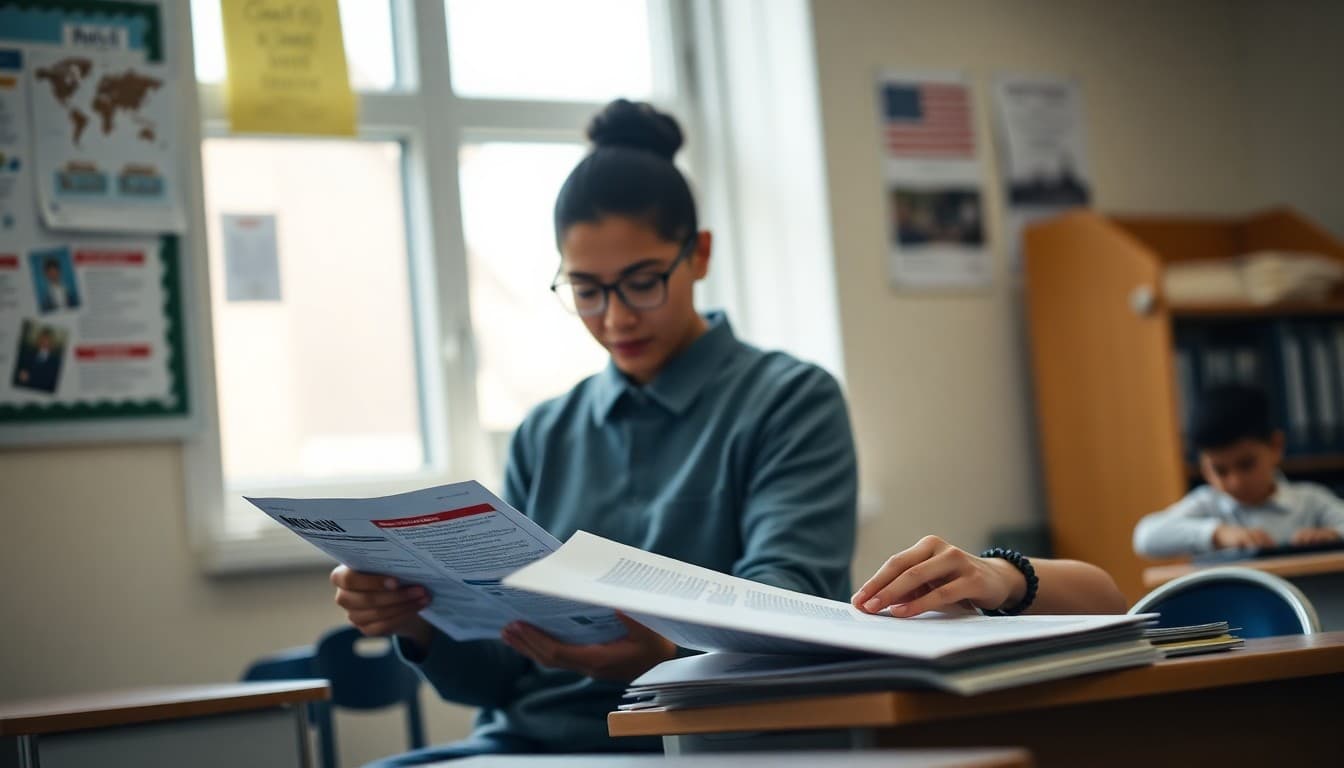
New York ELL Program Newsletter: Local Resources and Guide
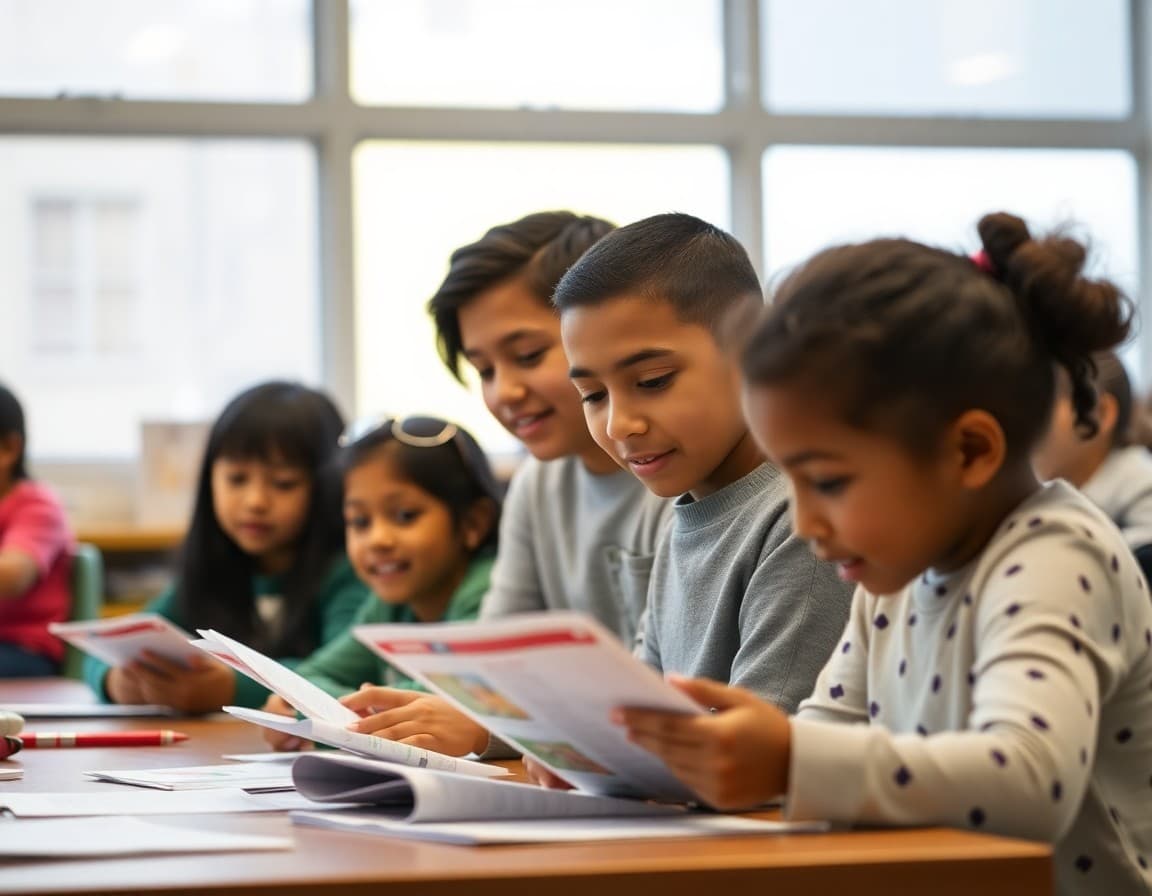
New York educates more English learners than any state except California, and New York City alone serves students speaking over 200 different home languages. New York has strong legal protections for ELL families and a sophisticated multilingual communication infrastructure, particularly in NYC. Upstate New York cities have developed growing ELL programs serving significant refugee and immigrant communities. Effective New York ELL newsletters build on these strengths while meeting each community where it is.
New York's Multilingual Learner Framework
New York uses both ELL and Multilingual Learner (MLL) terminology, with a growing preference for MLL in NYC to reflect a strengths-based approach. The RAELL designation for recently arrived English language learners (in the US fewer than one year) triggers specific additional services and protections. NYSED's Multilingual Learner Toolkit provides comprehensive guidance and family resources. ELL newsletters should use the terminology that matches your district's official framework.
New York City's Scale and Diversity
The NYCDOE serves over one million students, tens of thousands of whom are English learners. Spanish-speaking families are the largest ELL group. Chinese-speaking families -- both Cantonese and Mandarin -- are second, concentrated particularly in Brooklyn and Queens. Arabic, Haitian Creole, Bengali, Urdu, and French are also significant. NYC's multilingual communication infrastructure is among the most developed in the world, with family guides available in 20+ languages and interpretation services available in any language upon request.
For NYCDOE schools, the NYCDOE's own multilingual resources are the primary reference. Individual school ELL newsletters can build on those resources and add school-specific information about program contacts, schedules, and community resources.
New York ELL Family Rights
New York requires ELL notification within 10 days of identification -- the fastest window in the country along with a few other states. Families have the right to choose from available program options with a clear explanation of each in their home language. NYSED's MLL Bill of Rights is available in many languages and should be included or linked in every New York ELL newsletter. Families who receive clear rights information are positioned to advocate effectively for their children's placement and services.
Upstate New York: Buffalo, Rochester, and Syracuse
Buffalo, Rochester, and Syracuse have each received significant refugee resettlement and have growing immigrant communities. Buffalo has long served as a gateway city for refugees, with Karen, Somali, Bhutanese, and Iraqi communities among the largest current groups. Rochester has a diverse refugee community and the International Center of the Finger Lakes Region as a key resource. Syracuse has Catholic Charities Refugee and Immigrant Services and a growing Congolese community. Each upstate city has developed ELL infrastructure that reflects its specific community composition.
NYSED Resources
NYSED's Office of Bilingual Education and World Languages publishes the MLL Toolkit, family guides in multiple languages, and the MLL Bill of Rights. NYSED administers the NYSESLAT (New York State English as a Second Language Achievement Test) for ELL proficiency testing, which is distinct from WIDA ACCESS used in most other states. Family guides should reference NYSESLAT rather than ACCESS for New York ELL newsletters.
Community Organizations Across New York
New York City resources include the New York Immigration Coalition, Catholic Migration Services, International Rescue Committee New York, and dozens of community-specific organizations. Buffalo resources include Journey's End Refugee Services and the International Institute of Buffalo. Rochester has PathStone and the Ibero-American Action League. Syracuse has Refugee Immigrant Self-Empowerment (RISE) and Catholic Charities. Statewide, New York Immigration Coalition provides advocacy and resources.
Using Daystage for New York ELL Newsletters
Daystage supports New York ELL coordinators in creating newsletters with Spanish, Chinese, Arabic, Haitian Creole, Bengali, and other language sections and delivering them to family groups by language. For NYC schools, Daystage provides a school-level communication platform that complements NYCDOE district-wide multilingual resources with school-specific program information and community context.
Get one newsletter idea every week.
Free. For teachers. No spam.
Frequently asked questions
What terminology does New York use for ELL students?
New York uses the term Multilingual Learner (MLL) or English Language Learner (ELL) -- both terms are used. New York also uses the term Recently Arrived English Language Learner (RAELL) for students who have been in the US for less than one year. New York City in particular has moved toward the MLL terminology to reflect a strengths-based approach to students who speak multiple languages. ELL newsletters in New York should use the terminology that matches their specific district and the NYSED framework.
What are the most common languages among New York ELL students?
Spanish is the most common home language among New York ELL students, with the largest concentrations in New York City, Rochester, Buffalo, and communities across the state. Chinese (Cantonese and Mandarin) is second in NYC. Arabic, Haitian Creole, Bengali, Urdu, Russian, and French are also significant in New York City. Upstate New York cities including Buffalo, Rochester, and Syracuse have refugee populations including Karen and Karenni, Somali, Congolese, Bhutanese, and Iraqi families. New York City alone has students speaking over 200 different home languages.
What state and local resources should New York ELL newsletters reference?
NYSED publishes the Multilingual Learner Toolkit with family guides in multiple languages. New York City has one of the most developed multilingual family communication programs in the world -- the NYCDOE Office of English Language Learners and Multilingual Learners produces family guides in over 20 languages. Upstate New York resources vary by city: Buffalo has the International Institute of Buffalo and Journey's End Refugee Services; Rochester has the International Center of the Finger Lakes Region and PathStone; Syracuse has the Refugee and Immigration Services office at Catholic Charities.
What are New York ELL family rights?
New York ELL families have strong rights under state law. NYSED requires notification within 10 days of ELL identification -- among the shortest windows of any state. Families have the right to choose from available program options and to receive information about those options in their home language. New York City has a language access policy that requires translation of critical documents in the top 10 languages and interpretation in any language upon request. NYSED's MLL Bill of Rights document is available in many languages and is worth referencing in every newsletter.
How does Daystage support New York ELL newsletters for diverse urban communities?
New York City schools may serve families speaking 50 or more languages in a single building. Daystage lets New York ELL coordinators build newsletters with sections in Spanish, Chinese, Arabic, Haitian Creole, Bengali, and other languages and deliver them to family groups by language. For upstate New York districts with growing refugee populations, Daystage's reusable template structure makes consistent multilingual communication achievable for coordinators managing ELL programs in mid-sized cities.

Adi Ackerman
Author
Adi Ackerman is a former classroom teacher and curriculum writer with 8 years in K-8 schools. She writes about school communication, parent engagement, and what actually works in real classrooms.
More for ELL & ESL
Ready to send your first newsletter?
3 newsletters free. No credit card. First one ready in under 5 minutes.
Get started free