

New Hampshire ELL Program Newsletter: Local Resources and Guide
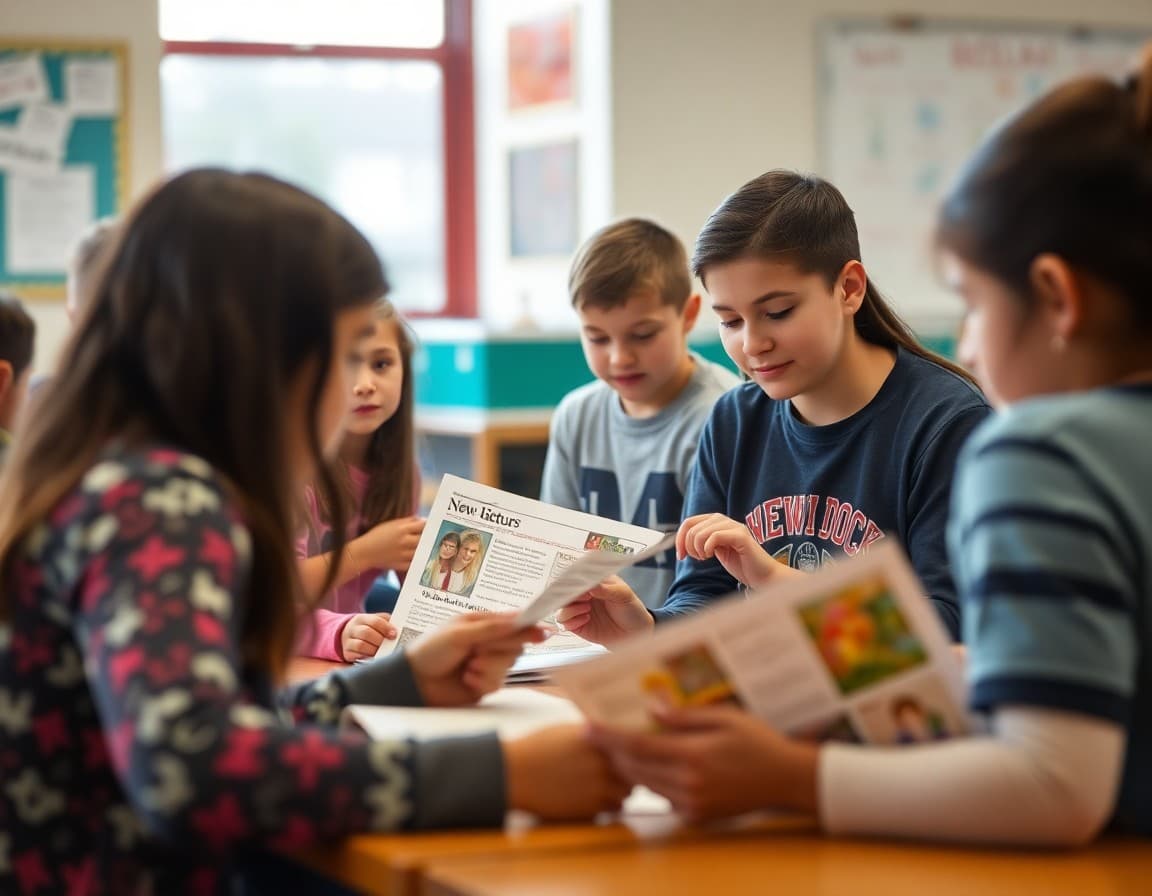
New Hampshire has a modest but genuinely diverse ELL student population, concentrated primarily in Manchester and Nashua. Manchester has become one of the more notable refugee resettlement cities in New England, receiving families from Rwanda, Congo, Somalia, Bhutan, and many other countries over the past two decades. Effective New Hampshire ELL newsletters understand the specific communities in each district and the local resources that actually serve those families.
Manchester's Refugee Communities
Manchester has received substantial African refugee resettlement, particularly Rwandan and Congolese families speaking Kinyarwanda, as well as Somali, Bhutanese, and other communities. The city has developed community infrastructure reflecting this diversity, including the African Community Education Program (ACEP), which provides education and family support specifically for African immigrant and refugee families. The International Institute of New England has a Manchester office serving the resettlement and integration needs of the broader refugee community.
ELL newsletters for Manchester schools that serve African refugee communities should be written with awareness of the significant trauma and displacement many families have experienced and the importance of positioning the school as a safe, welcoming partner rather than an institution to navigate.
What New Hampshire ELL Newsletters Should Cover
Standard ELL newsletter content applies: what services the student receives, what WIDA ACCESS measures and when it occurs, what proficiency levels mean, and how families can support language development at home. For recently arrived refugee families, include basic school structure information -- grade levels, daily schedule, how lunch works, who to contact in an emergency -- that long-established families can skip but newcomers genuinely need.
Include clear information about how families can request interpreter services for parent meetings. New Hampshire's refugee communities speak languages that may be less commonly available locally, and families who know they can request an interpreter are more likely to attend conferences and meetings.
New Hampshire Department of Education Resources
NHDOE's Bureau of Student Support provides guidance on the NHDOE website for ELL program requirements and family information. New Hampshire uses WIDA ACCESS, and WIDA's multilingual family resources are worth linking to from New Hampshire ELL newsletters. The state's relatively small scale means that district coordinators can often access direct guidance from state staff when needed.
Community Organizations Serving New Hampshire ELL Families
International Institute of New England (IINE) has offices in Manchester and Boston, providing resettlement, ESL, and integration services for refugee and immigrant families. African Community Education Program (ACEP) in Manchester serves African refugee families specifically with education, family support, and advocacy. Catholic Charities New Hampshire serves immigrant families across the state. New Hampshire Legal Assistance provides legal aid to low-income families including immigrants and refugees. The Manchester and Nashua public libraries offer multilingual resources and ESL programs.
Nashua and Southern New Hampshire
Nashua, the state's second largest city, has a Latino community -- particularly Puerto Rican and Dominican families -- alongside a growing Bhutanese refugee community and other Asian immigrant families. Nashua Public Schools has developed ELL communication resources for its community. Southern New Hampshire's proximity to the Massachusetts border means some families access community resources in Lowell, Lawrence, and other Massachusetts cities for services not available locally.
Franco-American Heritage Context
Manchester has a historic Franco-American community from earlier waves of French Canadian immigration. This heritage, while not directly relevant to current ELL communication, provides a cultural precedent for multilingualism in the city. The city's historical experience with immigrant community integration shapes how many longtime residents view the current wave of newcomers, and ELL newsletters that position language learning within the city's tradition of immigrant welcome can resonate with the broader community.
Using Daystage for New Hampshire ELL Newsletters
Daystage supports New Hampshire ELL coordinators in creating newsletters with Spanish, Kinyarwanda, Somali, French, and other language sections and delivering them by email to family groups. For Manchester schools with complex multilingual populations, Daystage's segmented delivery makes reaching different communities with appropriate content practical without requiring separate manual processes for each language.
Get one newsletter idea every week.
Free. For teachers. No spam.
Frequently asked questions
What languages are most common among New Hampshire ELL students?
Spanish is the most common home language among New Hampshire ELL students, concentrated in Manchester, Nashua, and Concord. Kinyarwanda, the language of many Congolese and Rwandan refugees, is significant in Manchester, which has received substantial African refugee resettlement. Somali, French (spoken by West African families), Arabic, and Nepali are also present. Manchester has one of the most diverse populations in New Hampshire and serves as the primary refugee resettlement city in the state.
What state agency oversees New Hampshire ELL programs?
The New Hampshire Department of Education (NHDOE) oversees ELL programs through its Bureau of Student Support. New Hampshire administers the WIDA ACCESS assessment. The NHDOE website provides guidance and some family resources for ELL programs. New Hampshire is a relatively small state, and the state ELL office works closely with districts, particularly Manchester and Nashua which have the largest ELL enrollments. The New Hampshire Literacy Council and public libraries provide additional adult ESL resources.
What is notable about Manchester's ELL community?
Manchester, New Hampshire has received refugee resettlement from many countries over the past 25 years, making it significantly more diverse than is typical for a New England city of its size. Rwandan, Congolese, Bhutanese, Somali, and other African and Asian refugee communities are present alongside established Latino families. The Manchester School District has developed multilingual family communication resources reflecting this diversity. Manchester also has a history of Franco-American culture from earlier French Canadian immigration that shapes the city's relationship with multilingualism.
What community resources serve New Hampshire ELL families?
Manchester resources include the International Institute of New England (IINE) Manchester office, which provides resettlement and integration services. The African Community Education Program (ACEP) serves African refugee and immigrant families with education and family support. IRC New England serves refugee families across the region. The New Hampshire Charitable Foundation supports immigrant and refugee services. The Manchester City Library and Nashua Public Library offer multilingual resources and ESL programs. Catholic Charities New Hampshire serves immigrant families statewide.
How does Daystage support New Hampshire ELL newsletters?
Daystage lets New Hampshire ELL coordinators build newsletters with Spanish, Kinyarwanda, Somali, and other language sections and deliver them by email to family groups. For Manchester schools serving diverse African refugee communities alongside Latino families, Daystage's language-segmented delivery makes reaching different communities with appropriate content practical. The reusable template structure helps coordinators in smaller New Hampshire districts manage ELL communication alongside other responsibilities.

Adi Ackerman
Author
Adi Ackerman is a former classroom teacher and curriculum writer with 8 years in K-8 schools. She writes about school communication, parent engagement, and what actually works in real classrooms.
More for ELL & ESL
Ready to send your first newsletter?
3 newsletters free. No credit card. First one ready in under 5 minutes.
Get started free