

Mississippi ELL Program Newsletter: Local Resources and Guide
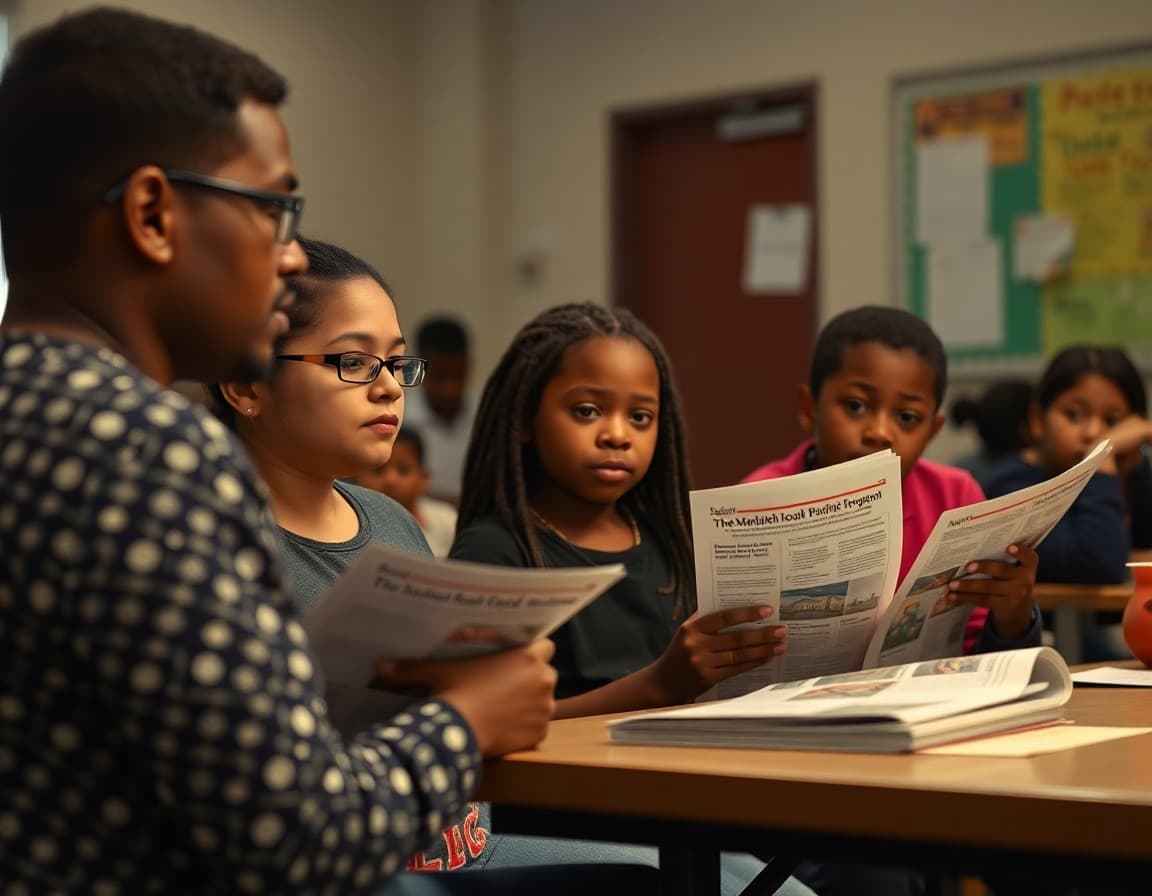
Mississippi's ELL student population has grown steadily since the 1990s, driven primarily by Latin American immigration tied to agriculture, poultry, and construction industries. The Gulf Coast's Vietnamese-American fishing community adds a second significant ELL language group in that region. Building effective ELL newsletters in Mississippi means working with the resources available in a state that has historically had limited ELL infrastructure and finding practical ways to meet federal language access obligations.
Mississippi's Spanish-Speaking ELL Communities
Spanish-speaking families make up the vast majority of Mississippi's ELL student population. Communities tied to poultry processing in central and south Mississippi, agriculture in the Delta and coastal regions, and construction throughout the state bring Mexican, Guatemalan, Honduran, and other Central American families to school districts across Mississippi.
Many of these communities have been in Mississippi for 20 to 30 years. ELL newsletters for these communities can assume a level of familiarity with Mississippi schools rather than treating Spanish-speaking families as perpetual newcomers. Long-established community networks -- churches, community health workers, and informal family networks -- are often more reliable information channels than formal school newsletters for some families.
The Gulf Coast Vietnamese Community
The Vietnamese-American community on the Mississippi Gulf Coast -- concentrated in communities like Biloxi, Gulfport, and coastal fishing communities -- has been in Mississippi since the late 1970s. Vietnamese fishermen settled along the Gulf Coast after the Vietnam War and built a community tied to the seafood industry. This is a multi-generational community with deep local roots. ELL students from this community may be second or third-generation Vietnamese-Americans with varying Vietnamese language proficiency.
What Mississippi ELL Newsletters Should Cover
Standard ELL newsletter content applies: what services the student receives, what the WIDA ACCESS assessment measures and when it takes place, what proficiency levels mean, and how families can support language development at home. For communities in rural Mississippi without easy access to urban support services, include local resources specific to your area rather than statewide organizations that families cannot easily access.
Information about interpreter services is particularly important in Mississippi, where families in smaller communities may not realize they can request interpretation for parent meetings at no cost. State the right clearly and give families a specific phone number to call to make the request.
Mississippi Department of Education Resources
MDE's Office of Academic Education provides guidance on ELL programs and family information on the MDE website. Mississippi uses WIDA ACCESS, and WIDA's multilingual family resources are worth linking to. Regional education service agencies in Mississippi provide additional support to districts for ELL programs, translation resources, and family engagement strategies.
Community Organizations in Mississippi
Mississippi Center for Justice provides legal assistance to low-income families including immigrant communities. Mississippi Immigrant Rights Alliance (MIRA) provides advocacy, community organizing, and family support. Catholic Charities of Jackson serves immigrant families in the capital region. For Gulf Coast communities, the Vietnamese American community has developed local organizations and Catholic church networks that serve as important community communication channels. The Mississippi Legal Services organization serves low-income families statewide.
Working With Limited Translation Resources
Mississippi has fewer professional Spanish and Vietnamese translators than larger states, and translation costs can strain smaller district budgets. Telephone interpretation through Language Line covers both Spanish and Vietnamese and can handle meeting interpretation. For written newsletters, WIDA's existing multilingual family resources in Spanish and Vietnamese can be adapted for Mississippi use. Community partnerships with local Catholic churches and community health centers that have bilingual staff are worth developing as translation resources.
Using Daystage for Mississippi ELL Newsletters
Daystage supports Mississippi ELL coordinators in creating Spanish-English newsletters and delivering them to family email groups. For Gulf Coast districts with Spanish and Vietnamese ELL families, Daystage's language-segmented delivery makes reaching both communities practical. The reusable template structure is particularly valuable in smaller Mississippi districts where ELL communication often falls to one person managing multiple responsibilities.
Get one newsletter idea every week.
Free. For teachers. No spam.
Frequently asked questions
What languages are most common among Mississippi ELL students?
Spanish is by far the most common home language among Mississippi ELL students, with concentrations in the Jackson metro area, the Gulf Coast, and communities tied to agriculture, poultry processing, and construction. Mississippi has seen substantial Latin American immigration since the 1990s, tied to agricultural and food industry employment across the state. Vietnamese-speaking families are present on the Gulf Coast, with a community that developed after Vietnamese-American fishermen settled in the area following the Vietnam War. Arabic and other languages are present in smaller numbers in Jackson and other cities.
What state agency oversees Mississippi ELL programs?
The Mississippi Department of Education (MDE) oversees ELL programs through its Office of Academic Education. Mississippi administers the WIDA ACCESS assessment. Mississippi's ELL program infrastructure has grown significantly as the state's immigrant population has increased, though Mississippi has smaller institutional ELL program resources than larger states. Many Mississippi districts rely heavily on regional education service agencies and community organizations for translation support and ELL family engagement.
What are Mississippi ELL family rights?
Mississippi ELL families have the same federal rights as ELL families in all states: notification within 30 days of ELL identification, communication in a language they can understand, interpreter access for school meetings, and translated essential documents. Mississippi's relatively limited ELL infrastructure in some rural areas means that meeting these obligations requires creative resource-sharing and use of telephone interpretation services. Families who are clearly informed of their rights are more likely to advocate for appropriate services for their children.
What community resources serve Mississippi ELL families?
Mississippi immigrant and refugee community infrastructure is more limited than in larger states, but key resources include Mississippi Center for Justice, which provides legal assistance to low-income and immigrant families. Catholic Charities of Jackson serves immigrant families in the Jackson metro area. The Mississippi Immigrant Rights Alliance (MIRA) provides advocacy and support. Gulf Coast resources include the Mississippi Gulf Coast Community Foundation and local Vietnamese community organizations. The University of Mississippi Medical Center has multilingual community health resources in the Jackson area.
How does Daystage support Mississippi ELL newsletters for Spanish-speaking communities?
Daystage lets Mississippi ELL coordinators build newsletters with Spanish and English sections and deliver them by email to family groups. For Mississippi districts where Spanish is overwhelmingly the most common ELL home language, Daystage's Spanish-English newsletter format is straightforward to implement. For Gulf Coast districts with significant Vietnamese-speaking ELL families alongside Spanish-speaking families, Daystage's language-segmented delivery ensures each community receives appropriate content.

Adi Ackerman
Author
Adi Ackerman is a former classroom teacher and curriculum writer with 8 years in K-8 schools. She writes about school communication, parent engagement, and what actually works in real classrooms.
More for ELL & ESL
Ready to send your first newsletter?
3 newsletters free. No credit card. First one ready in under 5 minutes.
Get started free