
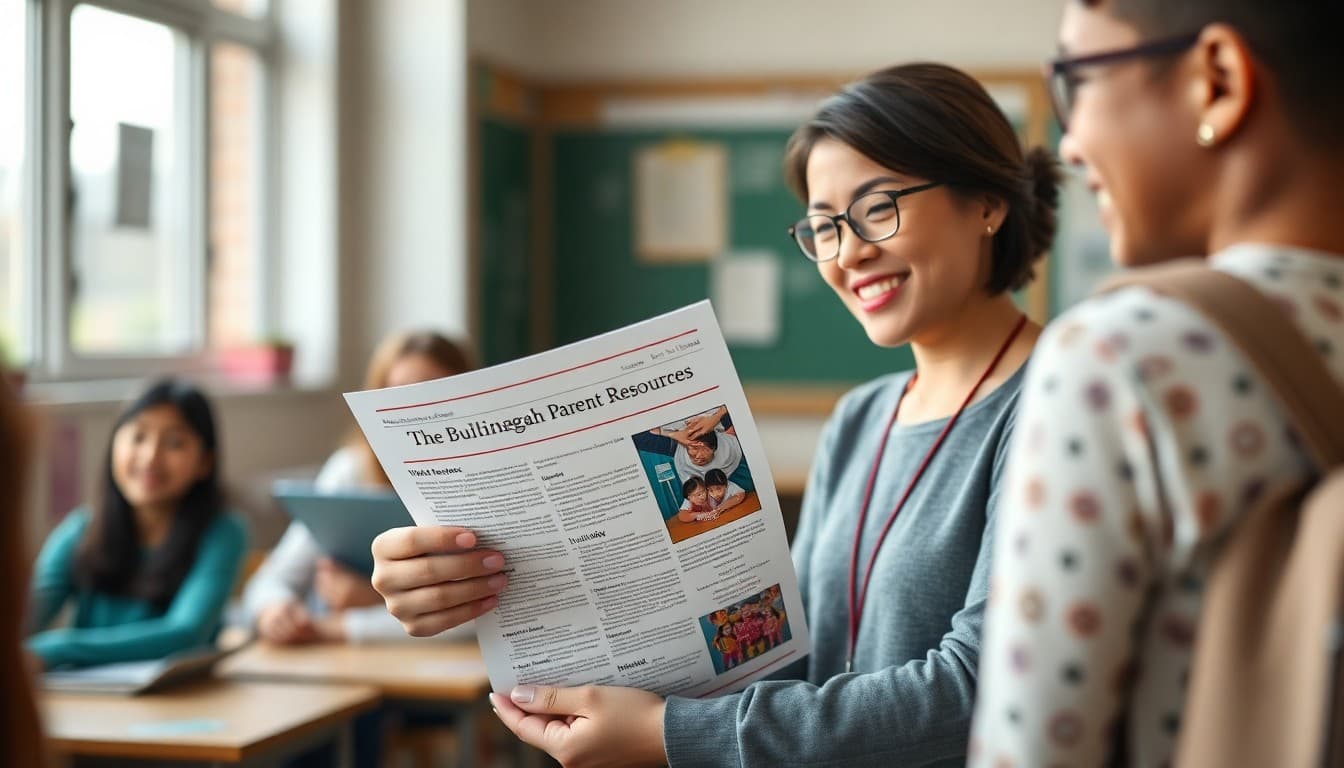
ELL Teacher Parent Resources Newsletter: A Communication Guide
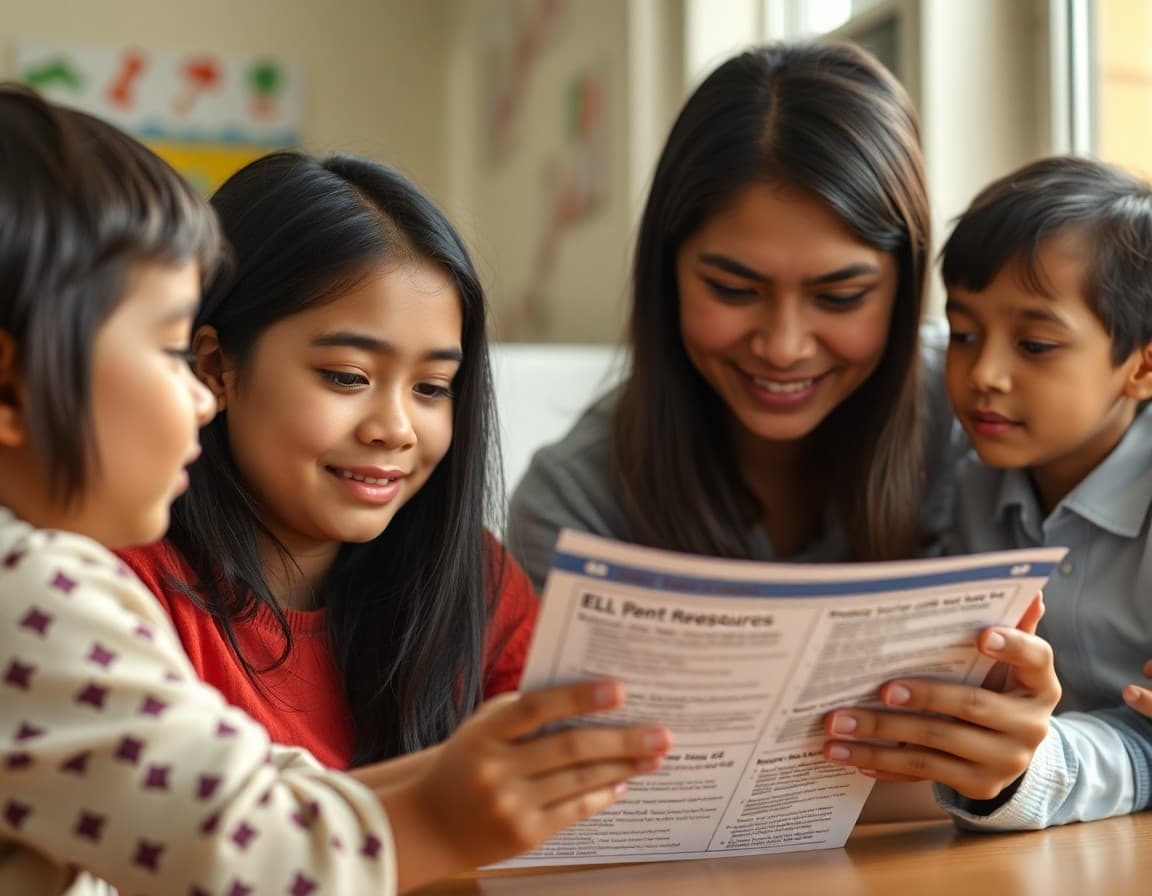
Families of English learners often have access to more support than they know about. Community English classes, free reading apps in multiple languages, school interpreter services, after-school tutoring programs -- these resources exist in most districts and communities. The problem is that the families who need them most are also the families least likely to hear about them through general school communication. A dedicated resources newsletter fixes that gap.
Think About What Families Are Actually Trying to Do
Before assembling a resource list, spend five minutes thinking about the questions ELL families ask you most often. Can I get help with homework in Spanish? Is there somewhere my child can go after school for extra English practice? How do I schedule an interpreter for a parent-teacher conference? Where can I take English classes? What free books can I find in our language?
Those questions are your newsletter structure. Organize resources around the questions families are already asking rather than around the categories you find administratively logical. A list organized by family need is easier to navigate than one organized by program type.
Digital Tools Families Can Use at Home
Include three to five digital resources with brief descriptions of what each one does and what age groups it serves. Duolingo is free and available in dozens of languages. Khan Academy Kids has multilingual support for elementary-age children. Storyline Online streams read-alouds of picture books and is free. Epic has a large multilingual library with a free school plan families can access through your school.
For each tool, note whether it requires a device, what operating systems it runs on, and whether it needs an internet connection or can be used offline. Families without consistent wifi access need offline options. Families sharing one phone among several family members need tools that work on mobile.
Community English Classes for Parents and Caregivers
List local adult ESL programs with current contact information. Public libraries often run free ESL classes or conversation groups. Community colleges typically offer low-cost evening ESL courses. Many nonprofit immigrant services organizations run free English classes with childcare available.
Include the name of the program, location, contact phone number, whether childcare is available, cost, and languages of instruction or support. A resource entry that is missing the contact number or cost requires families to do additional research, which reduces the chance they follow through.
School and District Support Services
Many families do not know what interpreter and translation services the school provides at no cost. This section should spell out exactly what is available: in-person interpretation for parent meetings if requested in advance, phone interpreter services, translated school documents, and any bilingual family liaison staff. Include the phone number to call and the name of the person to ask for.
If your school or district has a family resource center, a social worker who speaks a relevant language, or a newcomer family coordinator, include that information here. These services exist to be used. Families cannot use services they do not know exist.
Homework Help and Academic Tutoring
List any free or low-cost tutoring options available to ELL families. After-school programs at the school, library tutoring programs, and community organization tutoring services are all worth including. Note whether ELL students are eligible, what grades are served, and whether tutors can work with students whose home language is not English.
Home Language and Literacy Resources
Include resources that support families in maintaining the home language alongside English development. Your public library likely has children's books in Spanish, Somali, Arabic, Vietnamese, and other languages. Multilingual story apps like Bilingual Storytime or Let's Read Asia are free. International Children's Digital Library offers free multilingual books online. Framing these resources as supports for school success, not alternatives to English, is an important distinction to make clearly.
Sending a Resources Newsletter With Daystage
Daystage makes it easy to build a resources newsletter with clickable links, organized sections, and delivery to family language groups in one workflow. When families receive a newsletter with clickable links to apps and program websites, they are far more likely to access those resources than when they receive a paper list with URLs to type in manually. Set up your resources newsletter template in Daystage once and update it each semester with current information.
Get one newsletter idea every week.
Free. For teachers. No spam.
Frequently asked questions
What resources should an ELL parent resources newsletter include?
A strong ELL parent resources newsletter covers four areas: language learning tools families can use at home, community-based English classes for parents and caregivers, school-based support services like interpreter access and bilingual family liaisons, and digital resources including multilingual library apps and free tutoring platforms. Focus on resources that are free or low-cost, accessible without reliable transportation if possible, and available in the languages your families speak. A resource list that is not accessible to the families you are trying to reach serves no one.
How do you make a resources newsletter useful rather than just a list?
Organize resources by need rather than by type. Instead of listing all digital tools together and all community programs together, think about what problem a family is trying to solve. Group resources under headings like: if you want to help your child practice reading at home, if you want to improve your own English, if you need help communicating with the school, if your family needs support connecting with community services. That structure helps families find what they actually need instead of scanning a wall of items and not knowing where to start.
When is the best time to send an ELL parent resources newsletter?
Send a comprehensive resources newsletter twice per year: once in September when families are establishing their routines and once in January when the second semester begins. In September, families are most open to new information and ready to make plans for the school year. In January, they have settled into the school year and may be ready to take on additional support they were not ready for in September. Monthly newsletters can include one or two resource spotlights rather than a full resources issue.
How do you find resources that are actually available to ELL families in your area?
Start with your district's ELL or multilingual programs department -- they often maintain resource lists that are already vetted and locally relevant. Contact your local public library, which typically offers free programs in multiple languages including children's story hours and adult ESL classes. Reach out to local immigrant services organizations and refugee resettlement agencies. Before including any resource, verify that it is currently active, free or clearly priced, and has language support for your top family languages.
How does Daystage help ELL teachers distribute resources newsletters to multilingual families?
Daystage lets you create a resources newsletter with clickable links to every resource, formatted sections for different need categories, and delivery to family groups in each language. You can include embedded links to apps, forms, and program websites so families do not have to type URLs manually. ELL coordinators who use Daystage for resources newsletters report that families engage with digital resources far more when links are clickable in the newsletter than when URLs are printed on paper.

Adi Ackerman
Author
Adi Ackerman is a former classroom teacher and curriculum writer with 8 years in K-8 schools. She writes about school communication, parent engagement, and what actually works in real classrooms.
More for ELL & ESL
Ready to send your first newsletter?
3 newsletters free. No credit card. First one ready in under 5 minutes.
Get started free