

ELL Teacher End of Year Newsletter: A Communication Guide
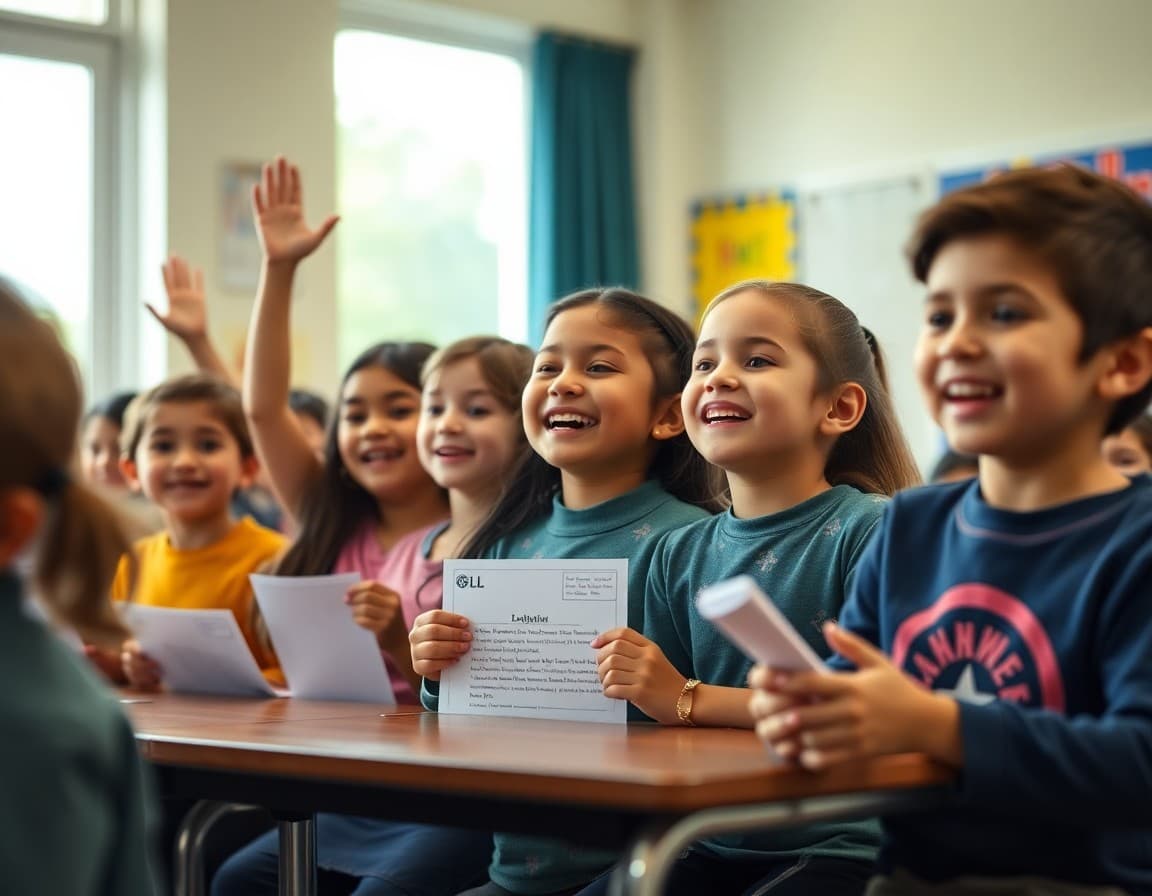
The end of year newsletter is the last direct communication most ELL families receive from their child's language teacher until September. What you say in it -- and what you do not say -- shapes how families approach the summer with their children and how they feel about the program when school starts again. It is worth taking the time to do it well.
Celebrate Language Growth Specifically
The opening of the end of year newsletter should be celebratory and specific. Avoid generic statements like it has been a wonderful year. Instead, name specific things students learned to do: this year our ELL students moved from using single words to using full sentences to explain their thinking in science. Third grade ELL students read their first chapter books independently in English. Our newcomer students arrived in October not knowing any English and can now follow a full school day in English with some support. Specificity makes celebration feel real rather than performative.
If it is appropriate for your group, name individual accomplishments or milestones in a general way without sharing private information. Families who see evidence of real growth feel pride in their child's progress and gratitude for the program that supported it.
Explain Assessment Results Families Will Receive
If end of year proficiency assessment results are being sent home alongside the newsletter, explain in plain language what the results mean. Include the proficiency scale, what each level indicates about a student's ability to use English in school, and what the result means for their child's placement next year. Parents who receive a score or level designation without explanation cannot interpret it, and uncertainty tends toward anxiety.
Be especially clear for students who are exiting ELL services. Explain what exiting means, what monitoring will continue, and who to contact if families have concerns after the transition. Exiting is an achievement. Frame it that way.
Summer Language Maintenance Matters
Research on summer learning loss shows ELL students are particularly vulnerable to losing English language gains over the summer if there is no opportunity to use the language. The end of year newsletter is the right moment to address this directly and practically.
Give families three to five specific summer activities, not a general instruction to keep reading. Enroll in the public library's free summer reading program -- the librarian can help you find books in your home language and in English. Watch one English-language children's television show daily and talk about it together in your home language afterward. Cook a family recipe together and look up the ingredient names in English. These activities support English development in ways that feel natural rather than like school-at-home.
Free Summer Resources in the Community
Include a short list of free or low-cost summer programs and resources with contact information. Public library summer programs, parks and recreation language camps, community organization tutoring programs, and free digital learning platforms all belong here. Verify that each resource is still active and has current contact information before including it. A resource list with outdated phone numbers is more frustrating than helpful.
Looking Ahead to Next Year
Give families a brief preview of what to expect in September. If ELL services will continue, explain roughly what they will look like. If there will be new placement options or changes in the program structure, mention them briefly. If you are returning as their child's ELL teacher next year, say so. Continuity of relationship is reassuring to families who have learned to trust you over the course of the year.
Include your contact information in case families have questions over the summer, and note whether you check email during the break. If you do not, say so clearly so families know not to expect a response until August.
A Closing That Acknowledges the Partnership
End the newsletter with a genuine acknowledgment of the family's role in their child's language development. Families who support home language, attend meetings, and engage with school communication are partners in the work. Saying so directly -- and specifically -- closes the year in a way that makes families want to come back in September ready to continue.
Sending Your End of Year Newsletter With Daystage
Daystage lets you add photos from the school year, link to summer resource websites, attach downloadable reading lists, and deliver the newsletter in multiple languages to the right family groups. An end of year newsletter that arrives formatted and professional, with photos of students and clear sections, lands differently than a plain email. It signals that you put care into closing the year, which families notice and remember.
Get one newsletter idea every week.
Free. For teachers. No spam.
Frequently asked questions
What should an ELL teacher cover in an end of year newsletter?
An ELL end of year newsletter should celebrate the language growth students have made over the year, explain what proficiency testing results mean and what families can expect next year, share specific summer language maintenance activities, list free summer resources in the family's language, and communicate any important information about ELL placement or services for the following school year. End the newsletter with a warm closing that expresses genuine appreciation for the family's partnership throughout the year.
How do you talk about language proficiency testing results in a newsletter?
Explain what the test measures and what each proficiency level means in plain terms. Something like: the WIDA ACCESS test measures how well students can listen, speak, read, and write in English across different school subjects. A score of 3.0 means your child understands and uses English well in everyday classroom situations and is building the more advanced academic language needed for grade-level content. Avoid presenting scores without context -- a number without explanation leaves families uncertain about whether to be proud, concerned, or neutral.
What summer activities should an ELL teacher recommend to families?
Recommend activities that maintain language skills in both English and the home language. Reading in both languages, watching English-language children's television, visiting the public library, and participating in summer reading programs all support English development. Summer programs at community organizations, libraries, and parks and recreation departments often have free ELL-friendly activities. Remind families that maintaining the home language over summer also supports academic English development -- children who lose proficiency in their home language over the summer do not automatically gain English in its place.
How do you handle the transition for students who are exiting ELL services?
Students who have met proficiency thresholds and will exit ELL services deserve a specific, positive communication to their families. Explain clearly that their child has met the proficiency standard, what that means in practical terms, and what monitoring the school will provide in the year after exit. Exiting ELL services is a milestone worth celebrating clearly -- families who receive a vague or bureaucratic notice about exiting often feel uncertain rather than proud.
How does Daystage support ELL end of year newsletters for multilingual families?
Daystage lets you create an end of year newsletter with a celebratory design, photos of student work or classroom events, summer resource links, and delivery in multiple languages. You can include downloadable summer reading lists or activity guides as attachments. ELL teachers who use Daystage for end of year newsletters report that families respond positively to seeing the year's progress reflected in a professional, visual format rather than receiving a form letter.

Adi Ackerman
Author
Adi Ackerman is a former classroom teacher and curriculum writer with 8 years in K-8 schools. She writes about school communication, parent engagement, and what actually works in real classrooms.
More for ELL & ESL
Ready to send your first newsletter?
3 newsletters free. No credit card. First one ready in under 5 minutes.
Get started free