

Colorado ELL Program Newsletter: Local Resources and Guide
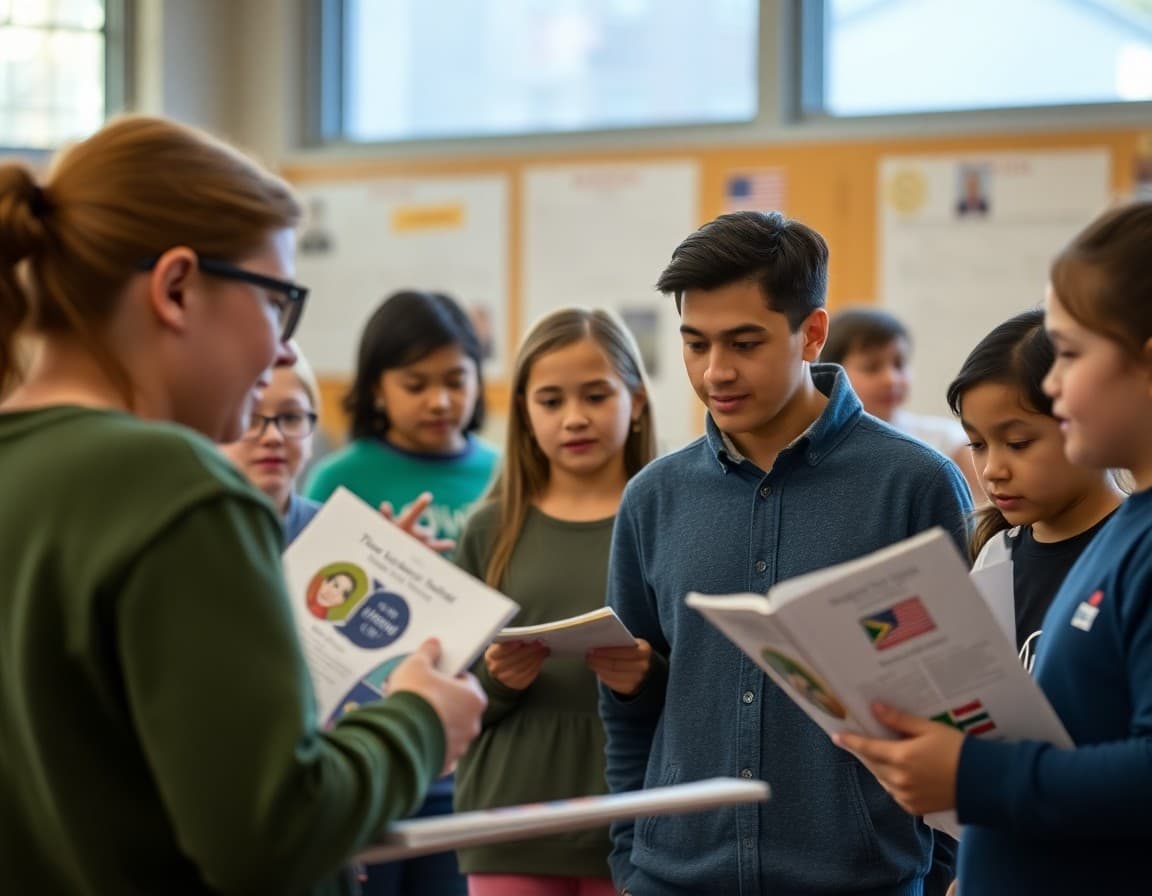
Colorado has seen rapid growth in its ELL student population, particularly in the Denver metro area, mountain resort communities, and eastern plains agricultural regions. The state has a growing dual language program infrastructure and a strong community of educators committed to additive bilingualism. An effective Colorado ELL newsletter reflects these values while giving families the practical information they need about their child's specific program.
Colorado's ELL Program Landscape
Colorado offers a range of ELL program models. Traditional English Language Development programs -- both pull-out and push-in -- serve most ELL students. Dual Language programs, which teach content in both Spanish and English with the goal of full proficiency in both languages, have expanded significantly in Denver and other urban districts. Colorado's Sheltered Instruction model integrates ELL support into content classrooms across grade levels.
Explain clearly which model your school offers and what it looks like for families. Families who chose a dual language school specifically to maintain their child's Spanish while gaining English need to see that commitment reflected in how you communicate with them.
Colorado's ELL Student Communities
Spanish-speaking families represent the majority of Colorado's ELL student population. In Denver and Aurora, Arabic, Somali, and Vietnamese communities are also significant. Mountain resort towns in Eagle and Summit Counties have large Spanish-speaking populations tied to hospitality industry employment. The eastern plains agricultural regions serve Spanish-speaking farmworker families. Each of these communities has distinct needs and local resources.
Colorado Department of Education Resources
CDE's Culturally and Linguistically Diverse Education unit publishes guidance documents, family rights information, and program resources on the CDE website. The Colorado English Language Proficiency Act framework explains the state's approach to ELL education. Including a link to CDE's CLD resources in your newsletter connects families to official information and reinforces program transparency.
Denver Metro Area Community Resources
Denver Public Schools has its own multilingual family services including community liaisons and translated family supports. The Colorado Refugee Services Program provides assistance to refugee families across the state. Mi Casa Resource Center, Servicios de la Raza, and the IRC Denver office provide multilingual community support. For Aurora, the Aurora Public Schools has a dedicated Newcomer Services Center.
Family Rights Under Colorado's CELP Act
Every Colorado ELL newsletter should include a brief family rights summary. Families have the right to know when their child is identified as an English learner, to choose among available program options, to receive communication in their home language, and to participate in program decisions through the district Parent Advisory Committee if one exists. Stating these rights clearly, in the family's language, is both a legal requirement and a relationship-building gesture.
Supporting Home Language at Home
Colorado's strong dual language program culture means there is broad educator support for home language maintenance. Your ELL newsletter should explicitly affirm that maintaining Spanish, Arabic, or whatever the home language is supports rather than hinders English acquisition. Include a home language activity or resource tip in each newsletter. This is especially important for families who may have received messages elsewhere that using their home language at home will confuse their child.
Sending Colorado ELL Newsletters With Daystage
Daystage lets Colorado ELL coordinators create newsletters with Spanish and English content, links to CDE and community resources, and delivery to segmented family groups. For dual language programs, Daystage supports a newsletter design that presents both languages with equal prominence -- reinforcing the program's additive bilingualism values in the format itself.
Get one newsletter idea every week.
Free. For teachers. No spam.
Frequently asked questions
What ELL program models are available in Colorado schools?
Colorado schools offer several ELL program models depending on district capacity and enrollment. English Language Development (ELD) pull-out and push-in programs are the most common. Many Colorado districts, particularly in the Denver metro area, also offer Dual Language programs that serve both native English speakers and Spanish speakers together. Colorado's Sheltered Instruction Observation Protocol (SIOP) model is used in many content classrooms to support ELL students in grade-level learning. ELL newsletters should explain which model or combination of models your specific school offers.
What are the most common home languages among Colorado ELL students?
Spanish is by far the most common home language among Colorado ELL students, reflecting the state's large and multi-generational Latino communities. Arabic is second in many urban districts, particularly in Aurora. Somali, Vietnamese, and Amharic communities are also present in the Denver metro area. Mountain resort communities like Eagle County and Summit County serve a high proportion of Spanish-speaking families tied to the hospitality industry. Review current home language survey data for your district to identify your translation priorities.
What rights do Colorado ELL families have under state law?
Colorado law requires districts to identify ELL students promptly, notify families within 30 days of identification, and communicate with families in a language they understand. Colorado families have the right to choose between available ELL program models at their school. The Colorado English Language Proficiency (CELP) Act establishes the framework for ELL services. Districts must maintain a Parent Advisory Committee for ELL programs if they receive Title III funding, which gives families a formal channel for input into program decisions.
What Colorado state resources should ELL newsletters reference?
The Colorado Department of Education's Culturally and Linguistically Diverse (CLD) Education unit is the primary state resource for ELL program guidance. CDE publishes family guides and informational resources on its CLD website. The Colorado Refugee Services Program provides support for refugee student families. Local resources vary significantly: Denver Public Schools has its own multilingual family services infrastructure, while smaller districts often rely on county social services and community organizations for family support.
How does Daystage support Colorado ELL program newsletters?
Daystage lets Colorado ELL coordinators build newsletters with Spanish and English sections, links to CDE CLD resources, and delivery to family email groups segmented by language. For dual language programs, Daystage supports sending newsletters that celebrate bilingualism as a goal alongside English development -- a framing that resonates with families who chose a dual language school specifically to maintain their home language. ELL coordinators in Colorado who use Daystage report better family response rates than paper or generic email distribution.

Adi Ackerman
Author
Adi Ackerman is a former classroom teacher and curriculum writer with 8 years in K-8 schools. She writes about school communication, parent engagement, and what actually works in real classrooms.
More for ELL & ESL
Ready to send your first newsletter?
3 newsletters free. No credit card. First one ready in under 5 minutes.
Get started free