

Arizona ELL Program Newsletter: Local Resources and Guide
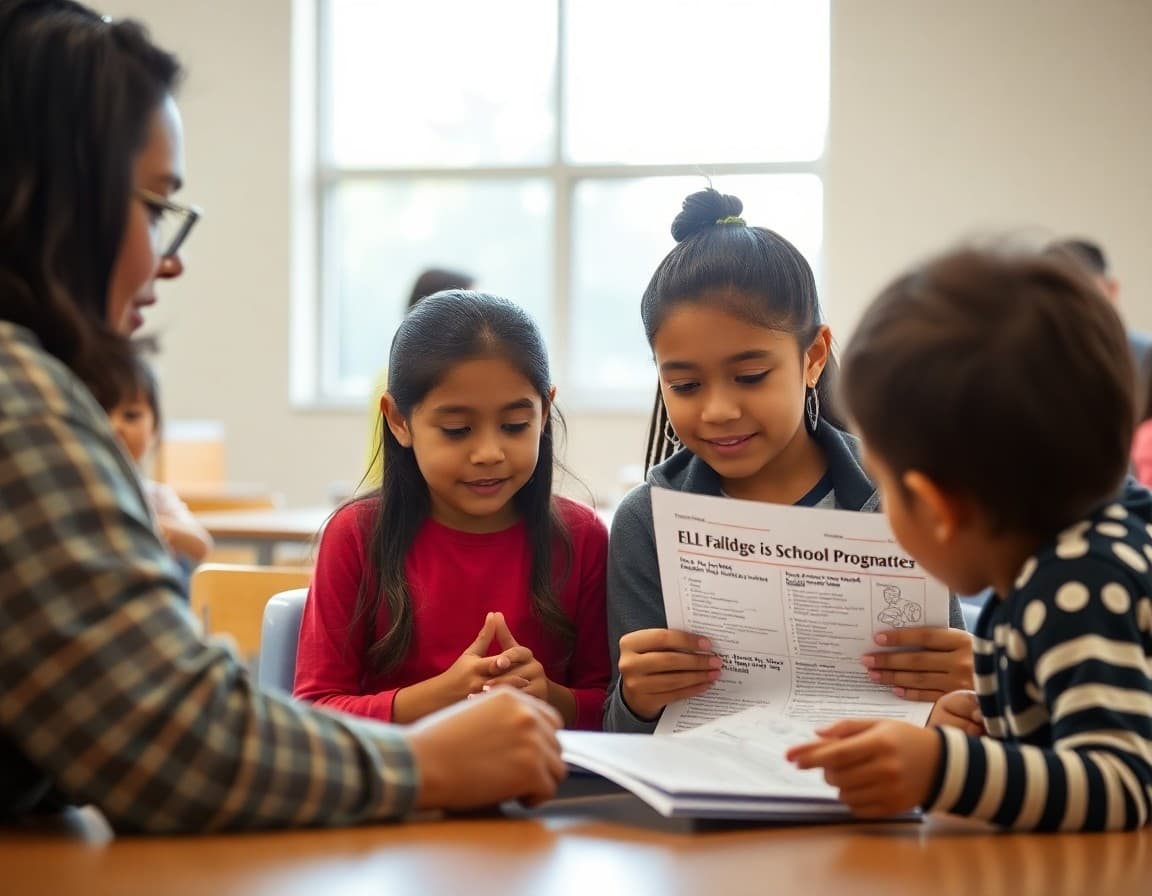
Arizona has one of the largest ELL student populations in the United States, and the state's structured approach to English language development means families need clear, specific communication about how the program works and what to expect for their child. An effective Arizona ELL newsletter does more than share updates -- it helps families understand a program structure that differs meaningfully from what families in other states or countries may have experienced.
Explaining Arizona's Structured English Immersion Model
Arizona law requires most ELL students to receive a dedicated English Language Development block as part of their school day. This Structured English Immersion model is different from bilingual education programs in other states. Families who come from states or countries with bilingual programs, or who expected their child to receive instruction in both Spanish and English, are often confused or concerned when they learn the Arizona model relies primarily on English instruction.
Your newsletter should explain the program clearly: what SEI means, how much time per day it involves, and what research supports the approach. You do not need to defend the model -- just explain it accurately so families know what their child experiences daily.
Arizona's ELL Student Population
Spanish-speaking families make up the largest share of Arizona's ELL population, concentrated heavily in Phoenix, Tucson, and the border communities of southern Arizona. Navajo-speaking students are served primarily in districts on and near the Navajo Nation in northeastern Arizona. Urban Phoenix and Tucson districts serve a broader mix of languages including Somali, Arabic, Burmese, and Vietnamese.
Know which languages your specific school community speaks before deciding on translation priorities. A Phoenix urban district and a rural Navajo Nation district have very different communication needs.
Arizona Department of Education Resources
The Arizona Department of Education's English Language Acquisition Division publishes family guides to the ELL program in Spanish and other languages on the ADE website. These guides explain the program, assessment process, and family rights in accessible language. Including a link to the ADE family resources page in your newsletter gives families direct access to official information and reinforces that the program is transparent and regulated.
Local Community Resources by Region
The Phoenix metro area has a rich ecosystem of immigrant services organizations: Friendly House, the International Rescue Committee, Catholic Charities, and Valley of the Sun United Way all provide multilingual family support. Tucson has Iskashitaa Refugee Network, Jewish Family and Children's Services, and Catholic Community Services. Border communities can reference binational resources and programs operated by organizations serving families on both sides of the US-Mexico border.
Family Rights and Program Options
Arizona families have specific rights regarding ELL placement that differ from many other states. Families can request that their child be transferred out of the SEI program, but Arizona law has waiting periods and procedural requirements that apply to this option. ELL newsletters should acknowledge that families have choices and explain the process for requesting a meeting to discuss their child's placement, without implying that requesting a transfer is routine or simple.
Assessment and Progress Communication
Arizona uses the AZELLA (Arizona English Language Learner Assessment) to determine initial ELL eligibility and monitor annual progress. ELL newsletters should explain when the AZELLA is administered, what it measures, and what the results mean for a student's program and potential exit from ELL services. Families who understand the assessment process are better prepared for results and less likely to be surprised or confused by placement decisions.
Sending Your Arizona ELL Newsletter With Daystage
Daystage supports Arizona ELL coordinators in creating professional newsletters with Spanish and English content, links to ADE resources, and delivery to family email groups. Once your template is built, updating it monthly is straightforward. Families who receive consistent, professional communication about the ELL program are more likely to engage with school staff and understand their child's progress.
Get one newsletter idea every week.
Free. For teachers. No spam.
Frequently asked questions
What makes Arizona's ELL program structure unique compared to other states?
Arizona has historically operated one of the most structured ELL program models in the country, built around Structured English Immersion (SEI). Under Arizona law, most ELL students receive a significant block of daily English language development instruction. This program structure is often confusing to families who expect their child to be in a bilingual classroom or who do not understand why their child has a different daily schedule from non-ELL peers. ELL newsletters in Arizona need to explain the SEI model clearly and address common family questions about the approach.
What languages are most common among Arizona ELL students?
Spanish is by far the most common home language among Arizona ELL students, reflecting the state's large and long-established Latino communities, particularly in the Phoenix metro area and along the southern border regions. Navajo is the second most common, concentrated in districts serving Navajo Nation communities. Other significant languages include Somali, Arabic, and Vietnamese in urban districts. The Arizona Department of Education publishes annual language data that ELL coordinators should consult when planning their translation priorities.
What are Arizona ELL family rights under state and federal law?
Arizona ELL families have the right to notification within 30 days of their child being identified as an English learner. They have the right to communication in a language they understand, including translated documents and interpreter access for meetings. They also have the right to request that their child be transferred out of an ELL program, though Arizona law has specific procedures and waiting periods that apply to this right. ELL newsletters should clearly communicate what the SEI program involves and what families' options are.
What Arizona state resources should ELL newsletters reference?
The Arizona Department of Education's English Language Acquisition (ELA) Division is the primary state resource for ELL program guidance. ADE publishes family guides to the ELL program in multiple languages on their website. Local resources vary by region: Phoenix-area resources include Friendly House, the IRC, and Catholic Charities. Border communities have access to binational resources through organizations serving both US and Mexican families. Navajo Nation schools can reference tribal education department resources.
How does Daystage support Arizona ELL newsletters for Spanish-speaking families?
Daystage lets Arizona ELL coordinators build newsletters with Spanish and English sections side by side, email them to family groups, and include links to ADE family resources. For districts where Spanish-speaking families make up the majority of the ELL population, Daystage's language-segmented delivery ensures Spanish content reaches Spanish-speaking families directly rather than requiring families to search through an English newsletter for the translated section.

Adi Ackerman
Author
Adi Ackerman is a former classroom teacher and curriculum writer with 8 years in K-8 schools. She writes about school communication, parent engagement, and what actually works in real classrooms.
More for ELL & ESL
Ready to send your first newsletter?
3 newsletters free. No credit card. First one ready in under 5 minutes.
Get started free