
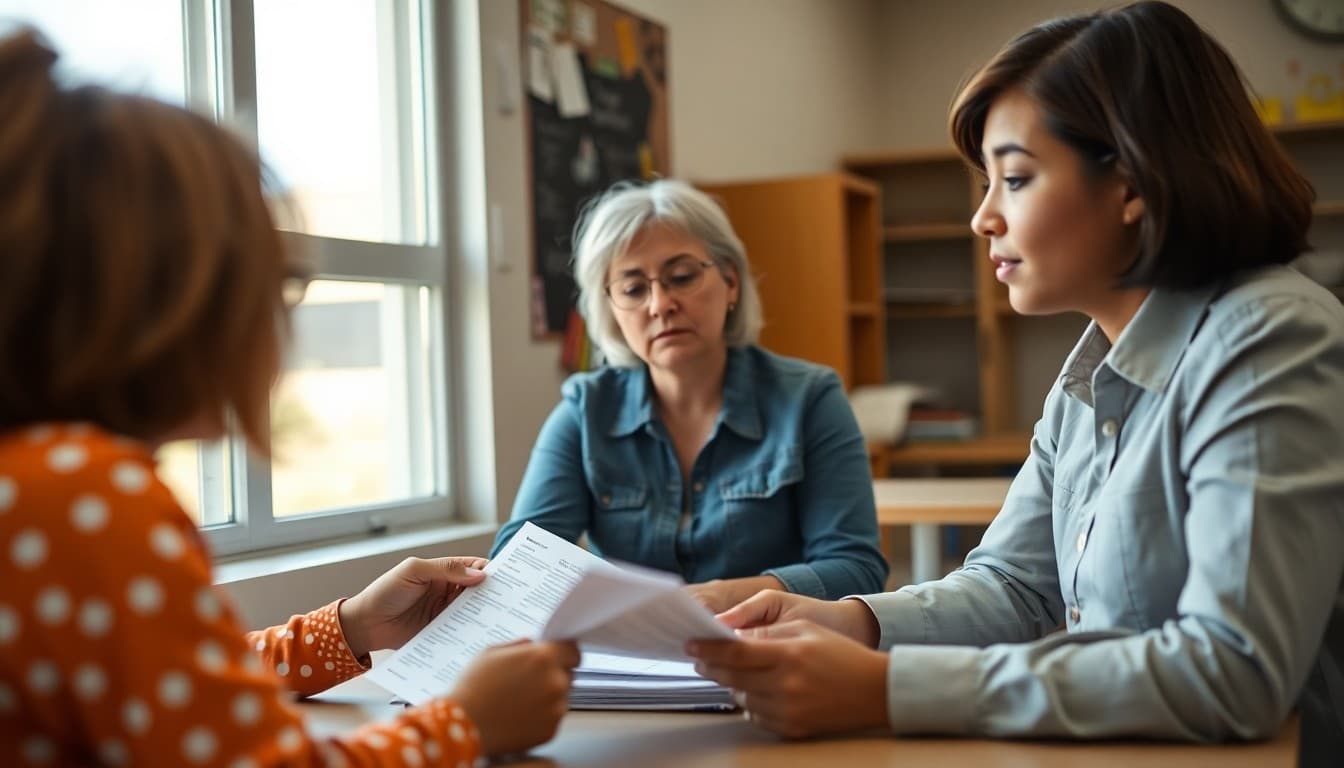
Arizona ELL Program Newsletter: Guide for ESL Coordinators

Arizona runs one of the largest ELL programs in the country, serving over 70,000 English learners each year in a state where the border with Mexico, significant Indigenous nations, and growing refugee resettlement communities all shape the language landscape. An ELL program newsletter built for Arizona families goes well beyond a generic template.
Know Arizona's ELL Program Model
Arizona's Structured English Immersion requirement sets it apart from most states. All students classified as English learners must receive at least 100 minutes per day of English language development instruction in a dedicated SEI block. Many families -- especially those who moved from states with bilingual or dual-language programs -- do not understand why their child is in a different classroom model. Your newsletter should explain the SEI approach clearly: it focuses intensively on English language development as a foundation for academic achievement, not as a replacement for the family's home language.
Arizona's 30-Day Notification Requirement
Under A.R.S. 15-756, Arizona schools must notify parents in writing within 30 days of identifying their child as an English learner. This notice must explain the ELL program, the student's proficiency level, how instruction will meet the student's needs, and the family's rights. Your newsletter can reinforce this notification by explaining what the identification process looked like, what the AZELLA or AzELPA scores mean, and what the family should expect going forward. Repeating key information in accessible language is not redundant. It is good communication.
Explain the AzELPA Assessment to Families
The Arizona English Language Proficiency Assessment tests Listening, Speaking, Reading, and Writing on a scale that determines placement and reclassification eligibility. Most families receive a score report without any context for interpreting it. Your newsletter around the January through March testing window should explain what the test measures, what score a student needs to exit ELL services in your district, and what reclassification means for their daily schedule. Make this section simple enough that a parent with third-grade English literacy can follow it.
A Monthly Arizona ELL Program Newsletter Template
This format covers the essentials in a one-page newsletter:
ELL Program Update -- [Month] [Year]
Your student is currently in: [SEI block level or mainstream support]
Language focus this month: [Listening, Speaking, Reading, or Writing]
How to support at home: [One activity in the family's home language]
Coming up:
- [Date]: AzELPA testing window
- [Date]: Parent-teacher conference (interpreter available upon request)
Questions? [ELL coordinator name, phone, email]
Address the Needs of Arizona's Indigenous Communities
The Navajo Nation is the largest Indigenous nation in the United States, and its students attend Arizona public schools in significant numbers. Schools in Window Rock, Chinle, and surrounding communities serve students who speak Navajo at home alongside families navigating the complexity of preserving a heritage language while developing academic English. Your newsletter should reflect awareness of this context: affirm the value of the home language, connect families to Navajo language literacy resources where available, and avoid language that frames English development as replacing Indigenous languages.
Connect Phoenix and Tucson Families to Urban Resources
Urban Arizona ELL programs serve large, diverse populations. In Phoenix, the International Rescue Committee provides resettlement and ESL services for refugee families. Chicanos Por La Causa offers educational support for Spanish-speaking families. Literacy Connects in Tucson serves adult learners and families. Including a resource mention in each newsletter issue builds trust with families who often do not know what support is available outside the school building. A family that feels supported by the broader community stays more connected to the school program.
Write in a Way That Survives Translation
Most Arizona ELL newsletters get translated into Spanish before they reach families. Sentences that are long, idiomatic, or full of acronyms create translation problems that lead to errors and miscommunication. Write for translatability: short sentences, one idea per sentence, no idioms, no abbreviations without definitions. "The AZELLA measures how well your student understands and speaks English" translates cleanly. "The AZELLA holistically assesses language acquisition across all four modalities" does not translate well and should not even appear in the English version.
Use Daystage to Send Newsletters Directly to Families
Printed newsletters sent home with students are frequently lost in backpacks. Daystage lets Arizona ELL coordinators send formatted newsletters directly to family email addresses, with separate Spanish and English versions going to the right families. Programs using Daystage report that families actually read what they receive and that the back-and-forth communication around conferences and events increases measurably when information arrives in the family's language. That kind of family engagement is exactly what Arizona's ELL programs are measured on.
Get one newsletter idea every week.
Free. For teachers. No spam.
Frequently asked questions
What are Arizona's legal requirements for communicating with ELL families?
Arizona follows Title III and ESSA language access requirements. Schools must translate essential communications for families with limited English proficiency, including program placement notices, annual ELP assessment results, IEP-related materials, and disciplinary letters. Arizona also has specific state requirements under A.R.S. 15-756 governing ELL program notifications, including written notice within 30 days of identifying a student as an English learner.
What is Arizona's Structured English Immersion model and why does it matter for newsletters?
Arizona uses a Structured English Immersion (SEI) model for ELL instruction, which requires students designated as ELLs to receive at least 100 minutes per day of focused English language development. This is different from bilingual or dual-language programs in other states. Your newsletter should explain the SEI model to families who may expect bilingual instruction and clarify what the 100-minute block means for their student's daily schedule.
What languages do Arizona ELL families most commonly speak?
Spanish is by far the most common home language in Arizona, reflecting the state's large Mexican-American and recent immigrant communities. The Navajo Nation and other tribal communities add students who speak Navajo, Hopi, O'odham, or other Indigenous languages. Urban districts in Phoenix and Tucson also serve Arabic, Somali, Vietnamese, and Burmese-speaking families. Reviewing your current home language survey data before each school year begins ensures your translation priorities match your actual community.
How does Arizona measure English language proficiency?
Arizona uses the AzELPA (Arizona English Language Proficiency Assessment) to measure English proficiency. The assessment evaluates Listening, Speaking, Reading, and Writing. Students must meet the proficiency cut score in all four domains to reclassify out of ELL services. Your newsletter should explain what the AzELPA measures and what reclassification means for your students' placement and services.
Can Daystage help Arizona ELL programs send newsletters in Spanish and other languages?
Yes. Daystage lets ELL coordinators prepare formatted newsletters and send them to specific family groups by language. You can have a Spanish version ready for the majority of your families and a separate English version for families who prefer it, without duplicating your layout work. The platform handles formatting and delivery so you focus on content and translation.

Adi Ackerman
Author
Adi Ackerman is a former classroom teacher and curriculum writer with 8 years in K-8 schools. She writes about school communication, parent engagement, and what actually works in real classrooms.
More for ELL & ESL
Ready to send your first newsletter?
3 newsletters free. No credit card. First one ready in under 5 minutes.
Get started free