

Elementary Project-Based Learning Newsletter: Learning by Doing
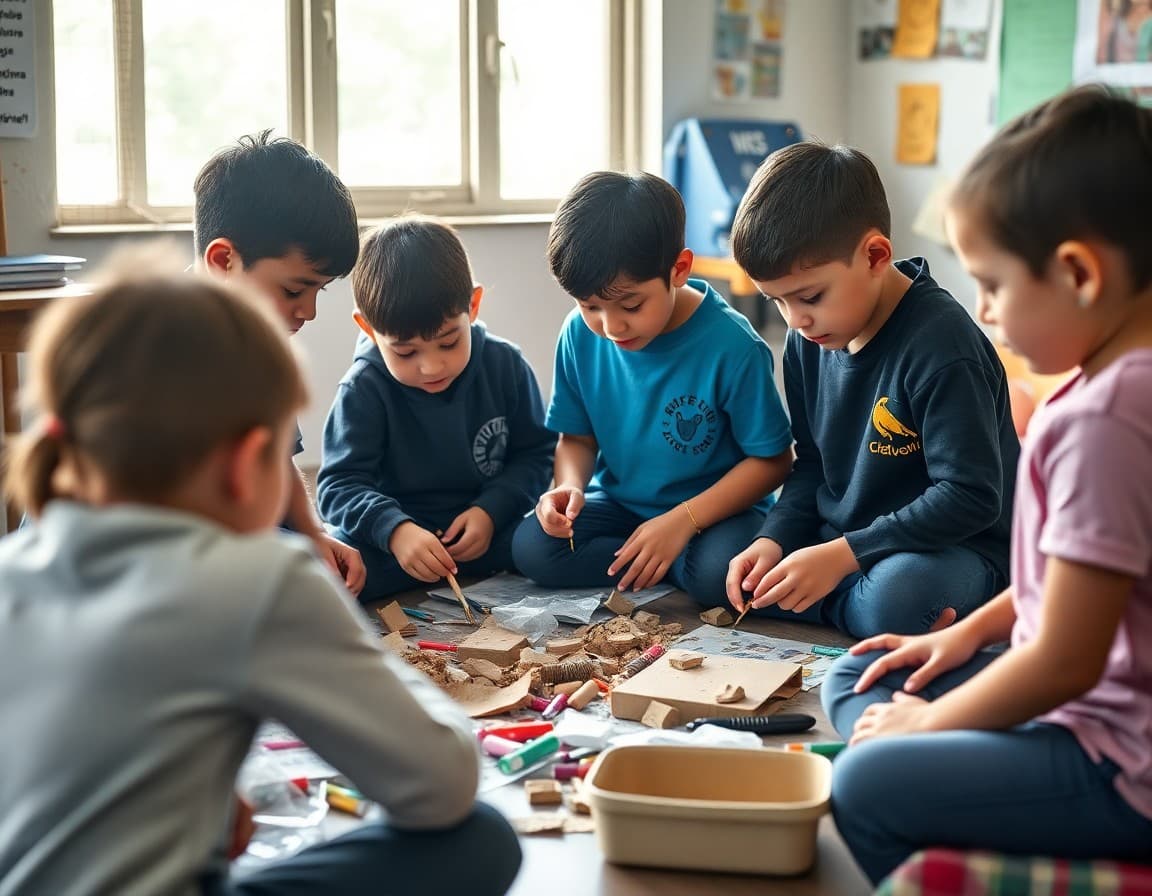
Project-based learning generates more parent questions than almost any other instructional approach because it looks different from what most families experienced in school. When a parent visits the classroom and sees students debating, building, interviewing community members, and revising drafts rather than sitting in rows filling in worksheets, they want to know whether their child is actually learning anything. The PBL newsletter is where you answer that question before it becomes a concern.
What PBL Actually Is
Project-based learning uses a genuine, complex driving question as the engine of instruction. Students investigate the question, develop knowledge, test ideas, get feedback, and revise their understanding multiple times before producing a final product. The driving question is not "what did you learn about ecosystems?" but "how could we redesign the schoolyard to support more local wildlife?" Students who answer that second question have learned ecosystems content more deeply than students who completed a traditional unit, because they had to apply it to a real problem with real constraints.
Announcing the Current Project
Lead the newsletter with the project name and driving question. Then explain what content standards the project covers and how: "Our driving question for November is 'How can we design a food pantry system that reduces waste in our school community?' Students are learning fraction operations (dividing food items into equal portions), persuasive writing (creating the proposal), and social studies content about community systems. They will present their designs to a panel of community members including the school lunch director and a local food bank coordinator on December 3."
The Project Timeline
Show families where the project is in its cycle. Most PBL projects follow a sequence: project launch with entry event, initial research and investigation, student-generated questions, deeper investigation, drafting and creating the product, critique and revision, and public presentation. Tell families which stage students are in and what that looks like in class today. "This week students are in the research phase. They have developed their initial questions and are researching using a combination of library books and teacher-vetted websites. Ask your child what question they are currently investigating." That single sentence converts a classroom activity into a dinner conversation.
A Sample Project Newsletter Block
Our November Project: The Clean Water Challenge
Driving question: How can we help families in our community access safe drinking water?
We launched this project last Monday with an entry event: we tested three water samples and one was not safe to drink. Students were immediately engaged and full of questions. This project connects our science standards on the water cycle and chemical properties of water, our social studies standards on community responsibility, and our writing standards on argument and evidence. Students will create an infographic and a two-minute presentation to share with the third-grade team and invited families on December 10 at 2 PM. Mark your calendars.
What Families Can Do at Home
Give families specific conversation starters and home connections rather than general encouragement to support learning. During a water project: "Ask your child to explain what the water cycle is and draw it for you. Ask them what question they are most interested in answering about water quality in our community. Look up the water quality report for our city together at [local utility website]. Ask your child how it compares to what they learned in class." These prompts require no expertise from the parent and produce exactly the kind of home conversation that reinforces project content.
The Exhibition Event: Why It Matters
PBL culminates in a public presentation that makes student learning visible to an audience beyond the teacher. This is not just a nice event. It is a core component of the learning design. The audience creates real stakes that motivate higher-quality work than a teacher-only evaluation can generate. When students know that community members, family, and experts will see their work, they revise more carefully, explain more clearly, and care more deeply about the accuracy of what they produce. Tell families about the exhibition early, explain why it matters, and make attending feel important. The parents in the room are part of the learning design.
Get one newsletter idea every week.
Free. For teachers. No spam.
Frequently asked questions
What is project-based learning and how is it different from regular projects?
Project-based learning (PBL) is a structured teaching method where students investigate a real, complex problem over an extended period and create a meaningful product or presentation as evidence of learning. It differs from a regular project in that PBL drives the learning rather than following it. Students do not learn a unit and then do a project about it. They do the project to learn the content, which develops deeper understanding and stronger transfer of skills than traditional instruction alone.
How do I explain PBL benefits to families who prefer direct instruction?
Acknowledge that PBL looks less structured than traditional teaching from the outside and that this can be uncomfortable. Explain what research shows: students in PBL classrooms consistently score at or above the levels of peers in traditional classrooms on standardized assessments while also demonstrating stronger collaboration skills, self-regulation, and ability to apply knowledge to new situations. The key is communicating that projects are not a substitute for content knowledge. They are the vehicle through which content knowledge is built.
What should a PBL newsletter include?
Describe the current project with its driving question, explain what academic content the project covers, share the project timeline and any upcoming presentations or exhibition events, include one photo or description of students at work, and give families a specific way to support the learning at home. Families who understand what their child is investigating are far more useful conversation partners at home than families who know only that their child is 'doing a project about water.'
How do I involve parents in PBL without disrupting the inquiry process?
Invite parents as audience members at presentations, expert guests for interviews, community partners, or at-home conversation partners rather than as direct instruction helpers. A parent who is a civil engineer can speak to students investigating bridge design. A parent who is a nurse can be interviewed during a community health project. Families contribute most to PBL when they are treated as community resources rather than homework helpers.
Can Daystage support sending PBL updates as projects unfold over several weeks?
Yes. Daystage works well for project-based update sequences. You can send an introductory newsletter when the project launches, a mid-project update when students are in deep investigation, and a final newsletter with exhibition details and outcomes. This three-send approach keeps families informed throughout the project cycle and builds anticipation for the final presentation. Scheduling all three sends at the project launch means the communication runs automatically while you are focused on teaching.

Adi Ackerman
Author
Adi Ackerman is a former classroom teacher and curriculum writer with 8 years in K-8 schools. She writes about school communication, parent engagement, and what actually works in real classrooms.
More for Elementary
Ready to send your first newsletter?
3 newsletters free. No credit card. First one ready in under 5 minutes.
Get started free