

Economics Elementary Newsletter: Learning Updates for Parents
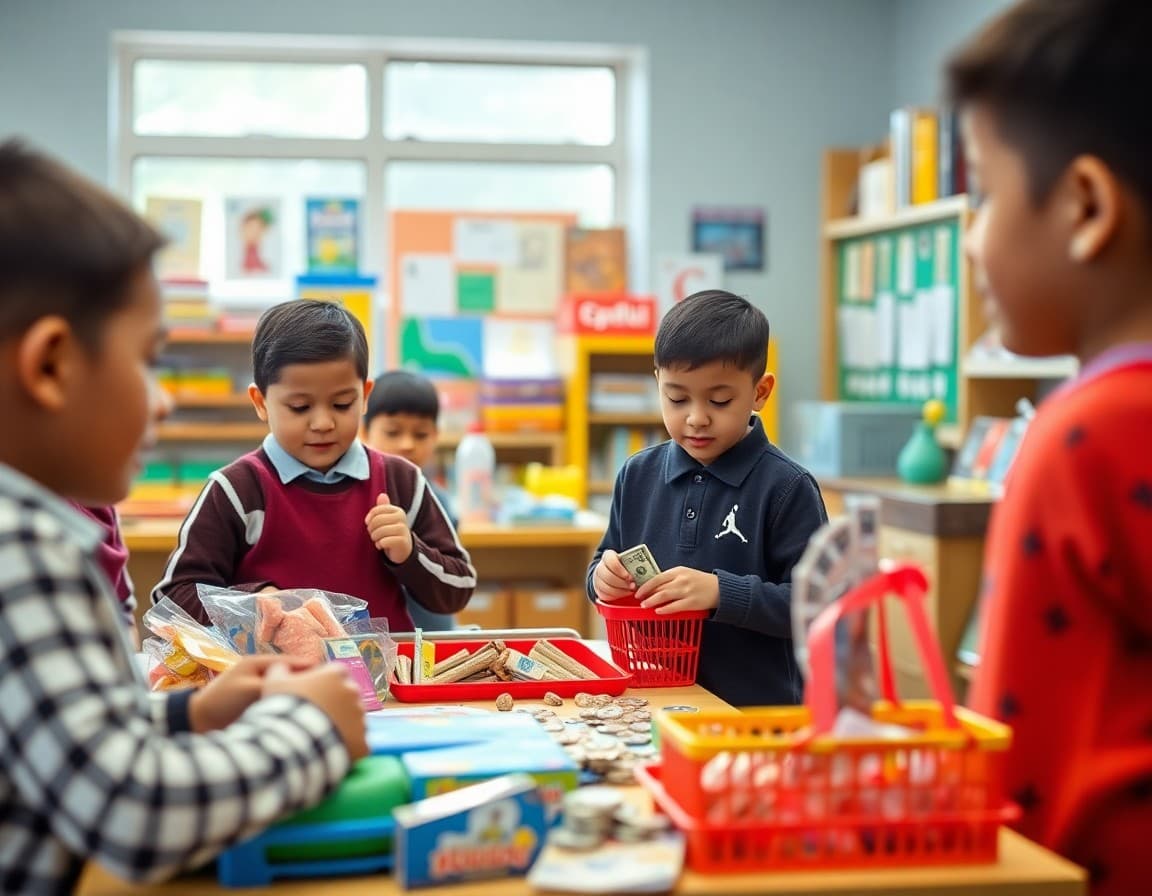
Economics sounds like an adult subject, but elementary students engage with economic concepts every day: choosing between snacks, saving for a toy, deciding whether to spend their allowance now or later. A good economics newsletter connects the classroom concepts to these everyday decisions and gives families specific conversation starters that turn ordinary moments into learning opportunities.
Identify the Core Economic Concept
Name the specific concept clearly. "This month, second graders are studying producers and consumers: who makes goods and services, and who uses them." Adding a classroom example makes it immediate: "Students identified that the school cafeteria worker is a producer of a service, the student eating lunch is a consumer, and the farmer who grew the vegetables is a producer of goods. Those three examples cover all the essential vocabulary in one familiar scenario." Concrete examples beat abstract definitions every time.
Explain Why Economics Belongs in Elementary School
Some parents are surprised to see economics in the elementary curriculum. Address it directly: "Economics is not about money, stock markets, or advanced math. At the elementary level, it is about understanding how people make decisions when they cannot have everything they want. That thinking skill, weighing options and understanding trade-offs, is one of the most practically useful things students learn in school." That framing builds parental buy-in for a subject that can seem out of place in the early grades.
Suggest an At-Home Connection Activity
The grocery store is the perfect economics classroom. A specific activity makes this actionable: "On your next grocery trip, give your child a simple challenge: your family needs cereal, and you have two options at different prices. Have them compare the two and decide which is the better choice and why. There is no single right answer. The thinking process is what matters." That activity takes two minutes and directly reinforces producer, consumer, price, and choice concepts.
A Template Newsletter Section
Here is a template economics section you can adapt for your newsletter:
"This month in economics, students are learning about [CONCEPT]. In class, we practiced by [CLASS ACTIVITY]. To try this at home, [SPECIFIC ACTIVITY USING EVERYDAY OBJECTS OR SITUATIONS]. The vocabulary your child is using right now includes: [3-4 KEY TERMS]. These words will appear on homework and in our classroom discussions. If you have questions about any of them, just reach out."
This template works across every economics unit from kindergarten through fifth grade.
Connect Economics to Family Decisions
Families already practice economics constantly without naming it. Help parents see this: "When your family decides to buy a store brand instead of a name brand, you are applying the concept of scarcity: limited money means making choices. When you save for a family vacation, you are practicing delayed gratification. When you compare prices at different stores, you are being a smart consumer. Pointing these decisions out as economics in action helps students see the subject as relevant rather than abstract."
Explain the Vocabulary in Plain Language
Economics vocabulary needs plain-language definitions to be useful at home: "Producer: a person or business that makes goods or provides services. Consumer: a person who uses goods or services. Scarcity: not having enough of something to satisfy everyone who wants it. Trade: exchanging one thing for another, including using money." These definitions give parents a reference they can use when helping with homework or having a conversation after school.
Share What the Classroom Economy Looks Like
Many elementary classrooms run a mock economy with classroom currency, jobs, and stores. If yours does, describe it: "Students earn classroom dollars by completing jobs like line leader, paper distributor, and librarian. On Fridays, they can spend those dollars at the classroom store. This system gives students a direct experience of earning, saving, and spending decisions in a low-stakes environment." Parents who understand this system can reinforce the lessons it teaches without inadvertently undermining it.
Preview the Next Economic Concept
A brief preview helps families anticipate the next unit: "After producers and consumers, we move into basic budgeting concepts: income, expenses, saving, and spending. If your child has a piggy bank at home, now is a great time to start talking about what percentage of their allowance they want to save versus spend. That habit, even at a small scale, is exactly what we will be practicing in class next month."
Get one newsletter idea every week.
Free. For teachers. No spam.
Frequently asked questions
What should an elementary economics newsletter include?
An economics newsletter should explain the specific concepts students are studying, such as needs versus wants, goods and services, trade and exchange, or scarcity and choice. Include a concrete example from the classroom lesson, one or two family conversation starters or activities, and the vocabulary students are using. Economics concepts at the elementary level are surprisingly accessible with the right everyday examples.
What economics topics do elementary students typically study?
Kindergarten through second grade covers needs and wants, producers and consumers, and basic concepts of saving and spending. Third through fifth grade expands into supply and demand, trade and interdependence, economic roles in communities, and basic concepts of budgeting. The specific sequence varies by state and curriculum, so the newsletter should name the exact concept in focus.
How can families reinforce economics concepts at home?
Grocery shopping is one of the best economics classrooms available. Comparing prices, discussing needs versus wants while shopping, talking about why a brand-name item costs more than a generic one, and giving children a small allowance to practice saving and spending all reinforce economic thinking. A trip to the farmers market, where students can see producers selling goods directly, makes producers and consumers tangible.
How do I explain concepts like scarcity and opportunity cost to elementary parents?
Use everyday language. Scarcity means there is not enough of something for everyone who wants it. Opportunity cost means choosing one thing means giving up something else. Example: if a student has $5 and chooses to spend it on a book, the opportunity cost is whatever else they could have bought. These concepts come up naturally in family decisions and recognizing them out loud makes the economics connection immediate.
What tool makes economics newsletters easy to send to elementary parents?
Daystage lets teachers build subject-specific newsletters with vocabulary lists, family activity suggestions, and links to resources in a clean, readable format. You can create a template for social studies newsletters and update the specific economics concept each unit, making it easy to stay consistent without starting from scratch every time.

Adi Ackerman
Author
Adi Ackerman is a former classroom teacher and curriculum writer with 8 years in K-8 schools. She writes about school communication, parent engagement, and what actually works in real classrooms.
More for Elementary
Ready to send your first newsletter?
3 newsletters free. No credit card. First one ready in under 5 minutes.
Get started free