
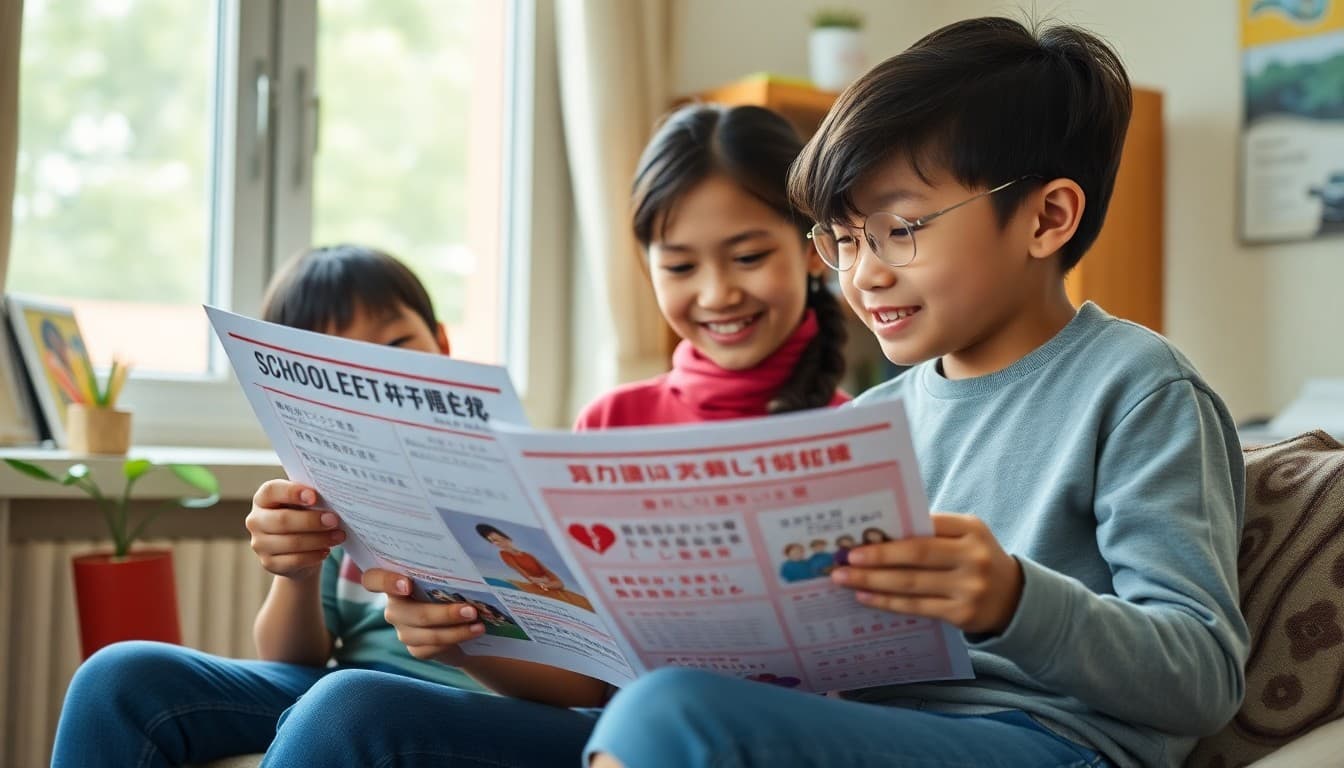
School Newsletter: Multilingual Resources and Family Support
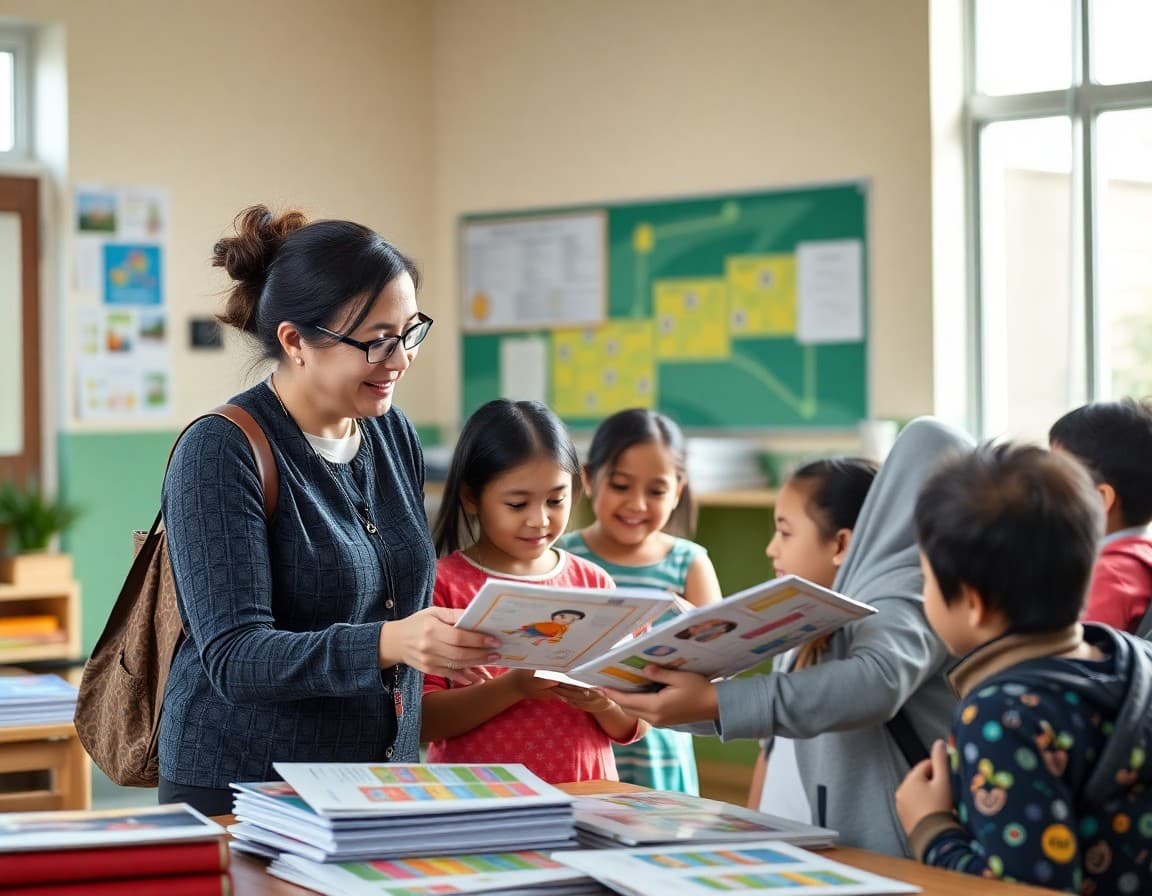
Multilingual families are among the most committed members of school communities and among the most systematically underserved by school communications. Most school newsletters exist only in English. Most school events are announced only in English. Most critical documents are sent only in English. Fixing this is not complicated, but it requires intention. This newsletter covers the specific resources, partnerships, and practices that make schools genuinely accessible to multilingual families.
Start with what you have and improve from there
Schools that wait for professional translation capacity before communicating with multilingual families wait too long. Machine translation tools produce imperfect but meaningful translations for routine informational content. Bilingual staff and community volunteers can review critical communications. The goal is not perfect translation. The goal is meaningful access.
A newsletter section that says the same information in Spanish, Portuguese, or Arabic, even if imperfectly translated, tells the families who read that language that the school is trying. That signal matters more than most school leaders realize.
Name your translation and interpretation resources
Many schools offer interpretation services for parent-teacher conferences and IEP meetings, have bilingual staff members who can assist families with questions, or have relationships with community organizations that provide language support. Many multilingual families do not know any of this because these resources are never named in school communications.
A newsletter that lists, specifically, what interpretation services are available, how to request them, and who to contact gives families a concrete starting point rather than a wall of English text they cannot fully parse.
Community liaisons: describe them and introduce them
Community liaisons who share language and cultural background with specific school communities are among the most effective tools schools have for reaching multilingual families. If your school employs them, feature them in the newsletter. Name them. Describe their role. Include their contact information and the languages they speak.
A multilingual family that knows a specific person at the school who speaks their language and is there to help has a direct point of contact that removes the most common barrier to school engagement.

Community organizations that serve multilingual families
Schools are not the only resource. Local immigrant support organizations, adult English classes, cultural community centers, legal aid organizations that serve immigrant families, and public library programs in multiple languages all exist in most communities. A school newsletter that connects multilingual families to these resources is doing community work that extends the school's reach and builds trust.
Make critical documents accessible
Back-to-school packets, emergency contact forms, medication authorization forms, and major policy communications should be available in the languages most represented in the school community. When a family cannot fully read the forms they are signing, they are not meaningfully participating in their child's education. A newsletter that tells families how to request translated versions of important documents, or that links directly to translated versions, removes a real barrier.
Communicate the same information at the same time
One of the most common equity failures in school communication is the timing gap: English-speaking families receive important information days or weeks before multilingual families receive a translated version, if they receive it at all. When multilingual families receive the same information at the same time as English-speaking families, they can make the same informed decisions. That simultaneity is what equity in school communication actually looks like.
Invite multilingual families as contributors, not just recipients
A newsletter that only addresses multilingual families as recipients of support misses the richness they contribute. Featuring multilingual families' cultural knowledge, community involvement, and contributions to the school communicates belonging. Inviting multilingual parents to share expertise, participate in school events, and take leadership roles in the school community builds the kind of engagement that produces real outcomes for students.
Get one newsletter idea every week.
Free. For teachers. No spam.
Frequently asked questions
What multilingual resources should schools communicate about in newsletters?
Translation services for parent-teacher conferences and school meetings, interpretation services for IEP and 504 meetings, translated versions of key school documents, community liaison programs, multilingual staff contact information, after-school language support programs, community organizations that serve multilingual families, and pathways for families to request translation of additional materials.
How should schools prioritize which languages to include in newsletter translations?
Start with enrollment data. Identify which home languages are most represented in the school community and begin there. Even adding one or two languages beyond English reaches a significant number of families. Machine translation tools make it feasible to include basic translations of key information in newsletters even when professional translators are not available for routine communications.
What is the legal basis for schools providing multilingual communications?
Title VI of the Civil Rights Act requires schools to provide meaningful access to programs and communications for families with limited English proficiency. This includes translating significant documents into families' home languages and providing interpretation at important meetings. Schools that communicate only in English without translation and without offering interpretation may not be meeting this federal requirement.
How do schools build trust with multilingual families who may distrust institutions?
Through consistent outreach in families' home languages, by employing community liaisons who share cultural backgrounds with the families they serve, by making school processes transparent and accessible, and by creating formal pathways for multilingual families to raise concerns and receive responses in their home language. One-time gestures matter less than sustained, consistent practice.
How does Daystage support schools in communicating with multilingual families?
Daystage makes it easy to include multilingual content in newsletters and to send targeted newsletters to specific family groups. Schools that use Daystage can reach families with newsletter sections in their home language at the same time as English-language communications go out, closing the information gap that has historically made multilingual families feel like second-class members of the school community.

Adi Ackerman
Author
Adi Ackerman is a former classroom teacher and curriculum writer with 8 years in K-8 schools. She writes about school communication, parent engagement, and what actually works in real classrooms.
More for Diversity & Equity
School Newsletter: Resources and Support for English Language Learner Families
Diversity & Equity · 6 min read
School Newsletter: Supporting Our Immigrant and Newcomer Families
Diversity & Equity · 6 min read
Diverse School Community Newsletter: Inclusive Communication Guide
Diversity & Equity · 6 min read
Ready to send your first newsletter?
3 newsletters free. No credit card. First one ready in under 5 minutes.
Get started free