
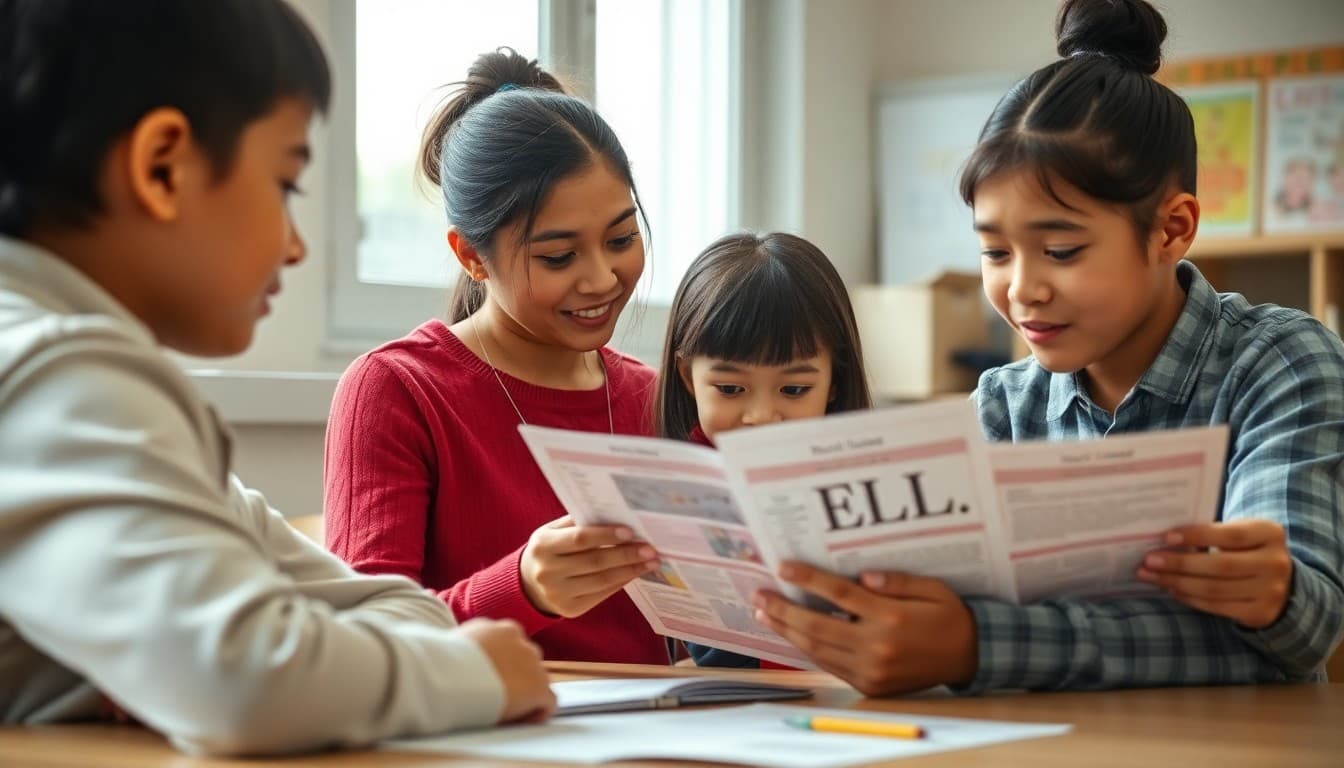
School Newsletter: Resources and Support for English Language Learner Families
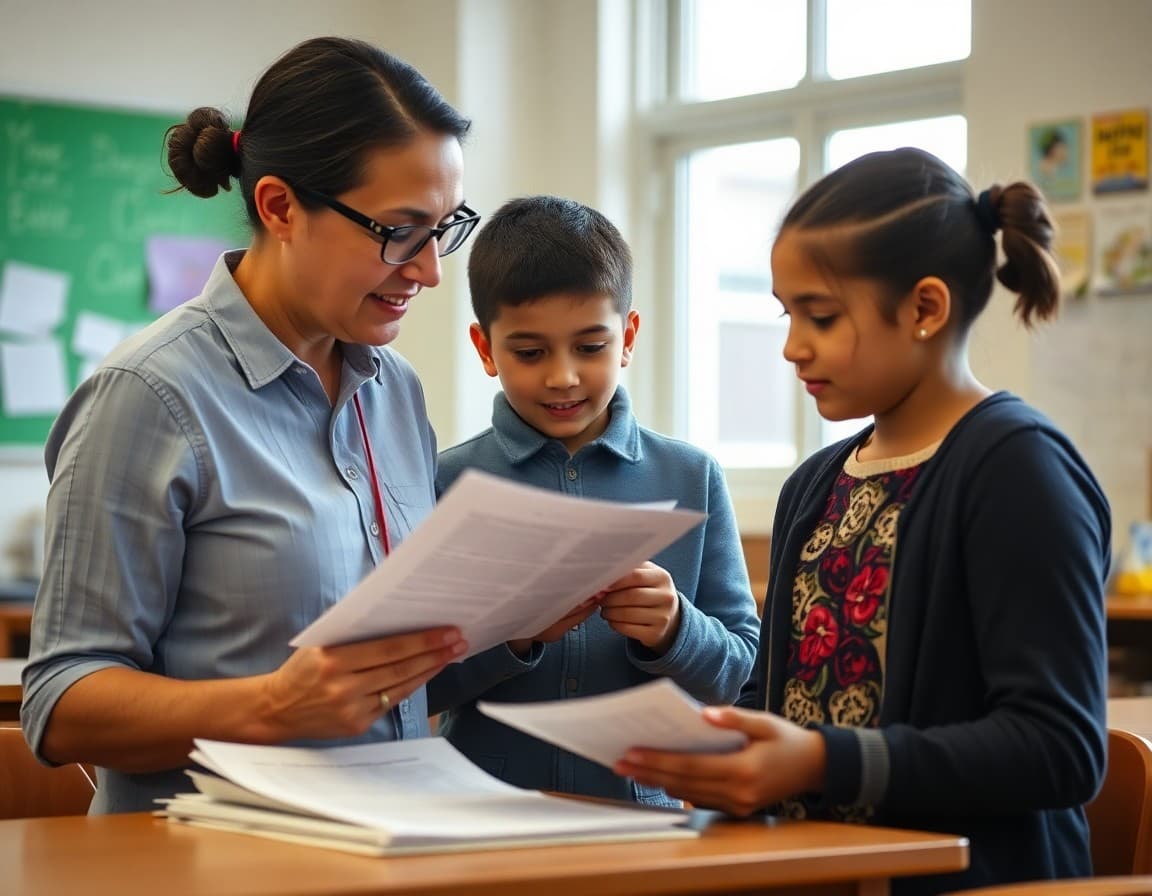
English Language Learner families are often among the most isolated from school communications simply because most school newsletters exist only in English. This isolation is a choice, not a necessity. Schools that take steps to reach ELL families in their home languages build trust and engagement that produces real outcomes for students. This newsletter covers what that looks like in practice.
The legal foundation
Schools are required under federal civil rights law to provide meaningful access to programs and communications for families with limited English proficiency. This is not optional outreach. It is a legal obligation. Schools that send significant communications only in English without translation, and that do not provide interpretation at important meetings, are not in compliance with this requirement.
Translation: start where you are
Many schools feel paralyzed by translation because they do not have professional translators on staff. Start with what is available. Machine translation tools produce imperfect but meaningful translations for routine informational content. Bilingual staff can review critical communications. Community organizations and parent volunteers can help with translations in languages where staff capacity does not exist.
Imperfect translation in a family's home language is more useful to that family than perfect translation in a language they do not read. Start somewhere and improve over time.
What ELL families need to know from your newsletters
ELL families specifically need to understand what services their child receives, how English language development is assessed, what the path to reclassified proficiency looks like, and how to communicate with the ESL or ELD teacher. Many ELL families do not know what services their child is receiving because the communication about those services is in a language they cannot fully access.

Community liaisons: a newsletter topic worth covering
If your school has community liaisons or family engagement specialists who work with specific language communities, name them in the newsletter, describe how to reach them, and include their contact information. ELL families who know a specific person at the school who speaks their language and is there to help have a direct point of contact that removes the most common barrier to school engagement.
Interpret at meetings, not just in documents
Written translation covers the newsletter and the letter home. It does not cover the parent-teacher conference, the IEP meeting, or the school event. Communicate clearly in the newsletter that interpretation is available for school meetings and how to request it. Families who do not know interpretation is available do not request it.
Build relationships through consistency
ELL families who have had negative experiences with institutional communication because it was inaccessible are not immediately going to trust the school's outreach. Consistency matters more than any single gesture. A school that sends translated newsletters every month for two years has done more to build trust than one that sends one translated newsletter and returns to English-only communication.
Get one newsletter idea every week.
Free. For teachers. No spam.
Frequently asked questions
What are schools legally required to provide for ELL families in communications?
Schools are required under Title VI of the Civil Rights Act to provide meaningful access to school programs and communications for families with limited English proficiency. This includes translating significant communications into the family's home language, providing interpretation services for school meetings, and ensuring that language is not a barrier to accessing school programs and services.
How should schools decide which languages to translate newsletters into?
Prioritize the languages most represented in the school community. Even translating into one or two additional languages reaches many more families than English-only communication. Use the school's enrollment data to identify which home languages are most common and start there. Machine translation is a reasonable starting point for routine communications when professional translation is not available.
What programs should schools communicate about specifically for ELL students?
The ESL or ELD program structure, what services ELL students receive, how families can request more information about their child's language development, what the path from ELL to reclassified proficient looks like, and what academic and social supports are in place specifically for English learners.
How do schools build trust with ELL families who may be wary of institutional contact?
Through consistency, transparency, and personal connection. A school that sends regular newsletters translated into families' home languages, that employs community liaisons who speak those languages, and that provides accessible pathways for families to ask questions builds trust through repeated positive contact rather than through one-time gestures.
How does Daystage help schools reach ELL families through newsletters?
Daystage supports newsletters that can include content in multiple languages, making it possible to send the same newsletter with translated sections to ELL families in their home language. Schools that use Daystage consistently for family communication can reach ELL families with the same information at the same time as English-speaking families, closing the information gap that can make ELL families feel excluded.

Adi Ackerman
Author
Adi Ackerman is a former classroom teacher and curriculum writer with 8 years in K-8 schools. She writes about school communication, parent engagement, and what actually works in real classrooms.
More for Diversity & Equity
Ready to send your first newsletter?
3 newsletters free. No credit card. First one ready in under 5 minutes.
Get started free