
Representation in School Materials Newsletter: Communicating Curriculum Diversity to Families
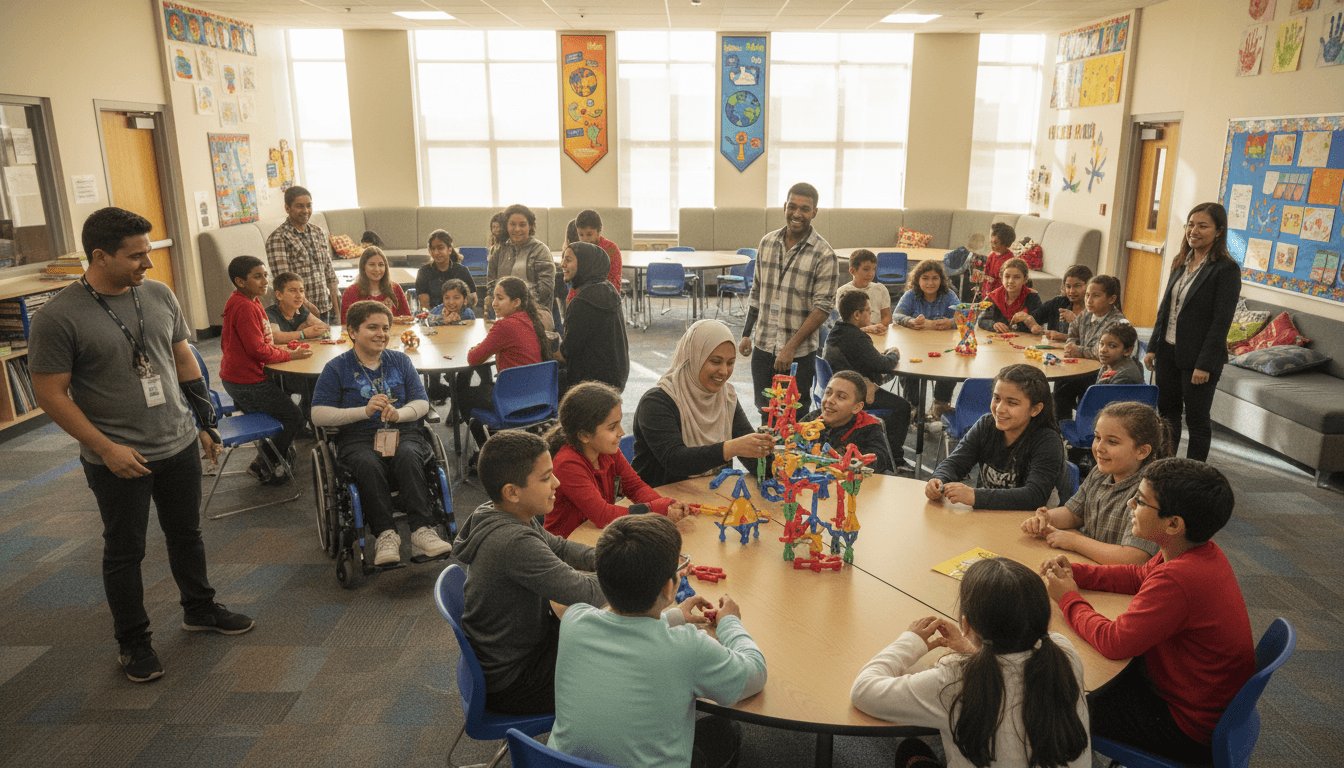
Students see themselves in school materials, or they do not. Research on representation in curriculum materials consistently shows that students who encounter themselves in textbooks, classroom libraries, and instructional media develop stronger academic identity and higher engagement than students whose communities are absent from those materials. A newsletter that communicates about the school's representation practices, honestly and specifically, builds family confidence that the school is doing this work deliberately.
This guide covers what to include in a representation newsletter, how to communicate a materials audit, how to address textbook gaps, and how to engage families in the ongoing work of building a curriculum that reflects all students.
Conducting and communicating a representation audit
A representation audit of the school's library collection or classroom materials is a concrete, communicable action. A newsletter that describes how the audit was conducted, what criteria were used to evaluate representation, and what the results showed treats families as partners in a genuine process. Specific findings, such as the percentage of titles featuring protagonists from specific communities, or the number of titles by authors from underrepresented groups, communicate that the school takes the work seriously enough to measure it.
Addressing textbook gaps with supplementary materials
Standard textbooks lag behind scholarship and often reflect the representation norms of the decade in which they were written. A newsletter that describes which gaps in the school's textbooks are being supplemented, with what specific materials, and why, communicates academic integrity rather than ideological agenda. Teachers who supplement textbooks with primary sources, oral histories, and contemporary scholarship are doing rigorous academic work. Communicating that work builds rather than undermines community trust.
Building a classroom library that reflects all students
A classroom library that reflects the full range of human experience is both a representation resource and an academic resource. Students who have access to books featuring characters who share their background, books from literary traditions other than Western European, and books that address the full complexity of American experience are reading a richer curriculum. A newsletter that describes specific acquisitions, including the author's background and the book's subject, communicates the purpose and quality of the library rather than reducing it to a diversity metric.
Involving families in material selection
Families who feel that curriculum materials are being selected without their input are more likely to object to those materials than families who understand the selection process and have a pathway for participation. A newsletter that describes how material selection decisions are made, who makes them, what review processes exist, and how families can contribute recommendations gives families a constructive role in representation work. Participation is more productive than protest.
Communicating representation across subject areas
Representation in school materials is not only a literature and social studies question. Mathematics curriculum that presents problems only in contexts familiar to White middle-class students communicates subtly about whose experiences the school considers universal. Science curriculum that teaches only Western European scientific history erases the contributions of mathematicians, astronomers, and natural scientists from the Islamic world, China, India, and the Americas. A newsletter that addresses representation across subjects communicates that the school is thinking comprehensively.
Using Daystage for representation communication
Daystage monthly newsletters let you build a standing materials update into your template. Report on new library acquisitions, textbook supplements, and representation audit findings regularly rather than only in response to family concerns. Consistent, proactive communication about representation in school materials builds the community trust that makes this work sustainable over time.
Get one newsletter idea every week.
Free. For teachers. No spam.
Frequently asked questions
What should a representation in school materials newsletter include?
Cover what the school has audited or is planning to audit in its textbooks, library collection, and classroom materials, what gaps were found, what is being done to address them, and how families can participate in the process. Representation communication is most effective when it describes specific changes being made, not general commitments to diversity.
How do I communicate a library diversity audit to families?
Describe the audit process, what criteria were used, and what the results showed. Be specific about which communities are underrepresented in the collection, what the school is doing to expand those sections, and what the timeline looks like. Families who understand the rationale for a library diversity audit are more likely to support it than families who encounter the results without context.
How do I communicate about changing or supplementing textbooks for representation?
Name the specific gaps the textbook has and the supplementary materials being used to address them. A newsletter that says the school's standard United States history textbook was published in 2008 and does not include the perspectives of specific communities, and that teachers are supplementing it with these specific primary sources and readings, communicates academic seriousness rather than political agenda.
How do I handle family objections to specific materials in a newsletter?
Acknowledge the specific concern, explain the selection criteria the school uses, describe the review process available to families, and distinguish between materials used with all students and those used in optional contexts. A newsletter that explains the school's material selection process, before objections arise, is better positioned to address them when they do.
How does Daystage support representation in school materials communication?
Daystage monthly newsletters let you build a standing curriculum materials update into your template, reporting regularly on library expansions, textbook supplements, and new acquisitions that improve representation. Consistent communication about this work signals that representation in school materials is an ongoing commitment, not a one-time audit.

Adi Ackerman
Author
Adi Ackerman is a former classroom teacher and curriculum writer with 8 years in K-8 schools. She writes about school communication, parent engagement, and what actually works in real classrooms.
More for Diversity & Equity
Gender-Inclusive School Communication Newsletter: Writing Newsletters That Respect All Gender Identities
Diversity & Equity · 6 min read
LGBTQ-Affirming School Newsletter: Communicating Inclusion Policies and Safe Space Commitments to Families
Diversity & Equity · 6 min read
Stereotype Threat Awareness Newsletter: Communicating Academic Identity Research to School Families
Diversity & Equity · 6 min read
Ready to send your first newsletter?
3 newsletters free. No credit card. First one ready in under 5 minutes.
Get started free