
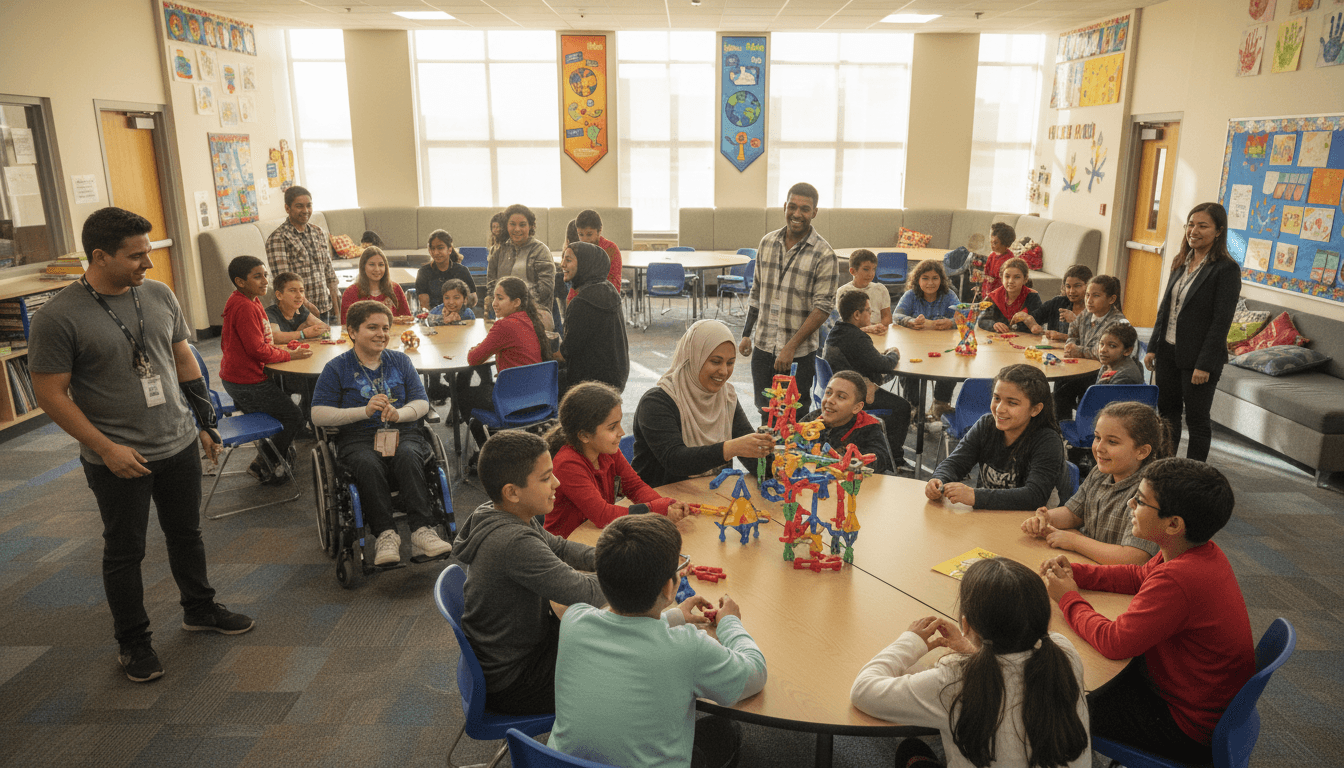
Latino and Hispanic Heritage Curriculum Newsletter: Communicating Inclusive History and Literature to Families
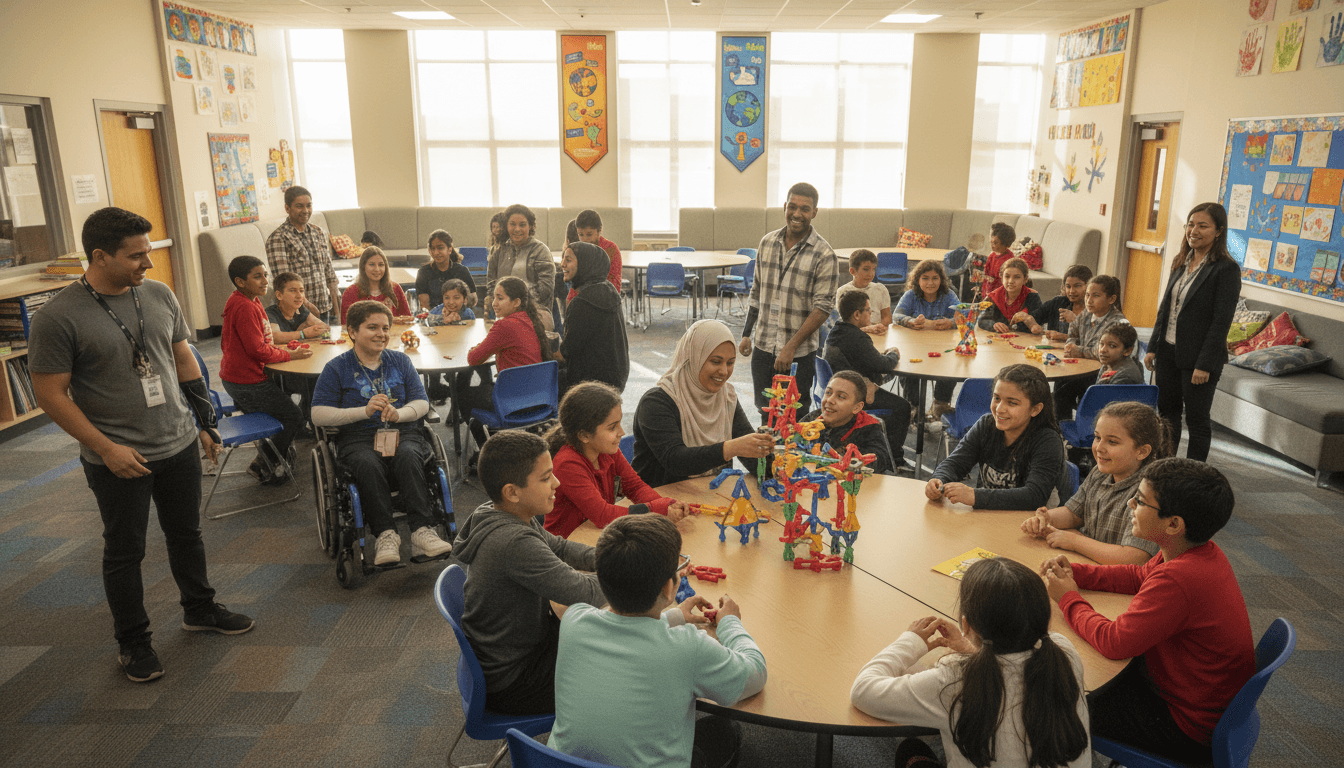
Latino and Hispanic communities represent the largest and fastest-growing demographic group in American schools. A curriculum that engages seriously with Latin American and Latino American history, literature, and cultural contributions is not an accommodation for a subgroup of students. It is a more complete and accurate version of American education for everyone. A newsletter that communicates this curriculum with specificity and respect builds understanding across all families in the school community.
This guide covers what to include in a Latino and Hispanic heritage curriculum newsletter, how to communicate the diversity within Latino communities, and how to extend curriculum communication beyond the September to October heritage month window.
Communicating curriculum specificity
The most effective Latino heritage curriculum newsletters name specific texts, historical figures, and events. "This fall, our seventh grade is reading The House on Mango Street by Sandra Cisneros alongside an autobiography unit. In social studies, students are studying the Bracero Program and its role in mid-twentieth century labor history." Those sentences communicate academic seriousness and help families who might otherwise wonder whether heritage curriculum involves real academic content.
Acknowledging the diversity of Latino heritage
Latino and Hispanic are umbrella terms for communities with distinct national origins, historical experiences, and cultural practices. A newsletter that treats these communities as a single monolithic group communicates cultural illiteracy. "This year our heritage curriculum covers Mexican American history in the Southwest, Puerto Rican labor organizing in New York, and Dominican American literature. We are working to represent the full range of Latino communities rather than centering any single national origin." That statement signals both awareness and intention.
Connecting to American history standards
Latino history is American history, and the curriculum choices that cover it meet the same academic standards as any other history curriculum. The Mexican Cession and the Treaty of Guadalupe Hidalgo are documented events with direct bearing on the current demographic and political landscape of the American Southwest. The Puerto Rican experience of American colonialism is relevant to any unit on American imperialism. Grounding curriculum communication in academic standards makes it defensible to families who might otherwise question its inclusion.
Literature recommendations that reflect the full range
A single recommended text per newsletter, with a brief description of the author and the book's content, extends Latino heritage curriculum communication into family reading. Cover a range of authors across the year: Junot Diaz, Julia Alvarez, Gary Soto, Esmeralda Santiago, Oscar Hijuelos, Pat Mora. Include picture books for elementary families, middle grade and young adult novels for middle school, and literary fiction for high school. Families who receive specific, enthusiastic recommendations use them.
Reaching Spanish-speaking families
A Latino heritage curriculum newsletter that reaches Spanish-speaking families in English only misses an important dimension of its own subject matter. Including a Spanish-language summary or a fully translated version for Spanish-dominant families practices the linguistic respect it preaches. A school that values Latino heritage should also value the language that is central to much of that heritage.
Using Daystage for Latino heritage curriculum newsletters
Daystage supports both English and Spanish content in the block editor, making it practical to create bilingual newsletters for school communities with significant Spanish-speaking populations. Build a year-round curriculum spotlight into your newsletter template so that Latino and Hispanic history and literature appear in your communication across the full school year. Consistent presence signals integrated curriculum, not a seasonal acknowledgment.
Get one newsletter idea every week.
Free. For teachers. No spam.
Frequently asked questions
What should a Latino and Hispanic heritage curriculum newsletter include?
Cover what Latino and Hispanic history and literature students are studying, the specific authors, historical figures, or events the curriculum features, how this content connects to broader academic standards, and one family resource for extending the learning at home. Specificity over time builds community trust in the curriculum.
How do I communicate about the diversity within Latino communities in a newsletter?
Avoid treating Latino and Hispanic communities as monolithic. Mexican, Puerto Rican, Cuban, Central American, Dominican, and South American histories and experiences are distinct. A newsletter that acknowledges this diversity, and that features curriculum addressing multiple Latin American heritages across the year, communicates more accurately than one that treats the category as uniform.
How do I communicate about Hispanic Heritage Month beyond the September to October window?
Reference Latino and Hispanic history and literature in curriculum newsletters year-round. When a Chicano literature unit runs in March, mention it. When a social studies unit covers the Cuban Revolution in November, mention it. Year-round reference makes Hispanic Heritage Month a continuation of integrated curriculum rather than its only expression.
How do I communicate about Latino history to families from diverse backgrounds?
Ground the communication in American history. The history of Mexican Americans in the Southwest, the Puerto Rican experience on the mainland, and the patterns of Central American immigration are all American history. A newsletter that frames this content as American history that belongs to all students is more accurate and more broadly accessible than one that frames it as heritage content for Latino students only.
How does Daystage support Latino heritage curriculum communication?
Daystage newsletters can be written in Spanish or include Spanish-language sections, which is directly relevant for schools with significant Spanish-speaking family communities. A newsletter about Latino heritage curriculum that is also available in Spanish communicates that the school values both the heritage and the language.

Adi Ackerman
Author
Adi Ackerman is a former classroom teacher and curriculum writer with 8 years in K-8 schools. She writes about school communication, parent engagement, and what actually works in real classrooms.
More for Diversity & Equity
Family Engagement Equity Newsletter: Reaching and Including Families Who Are Most Often Left Out
Diversity & Equity · 6 min read
Intersectionality Newsletter: Communicating Complex Identity to School Families
Diversity & Equity · 6 min read
School Name Change Equity Newsletter: Communicating Renaming Decisions to Families
Diversity & Equity · 6 min read
Ready to send your first newsletter?
3 newsletters free. No credit card. First one ready in under 5 minutes.
Get started free