
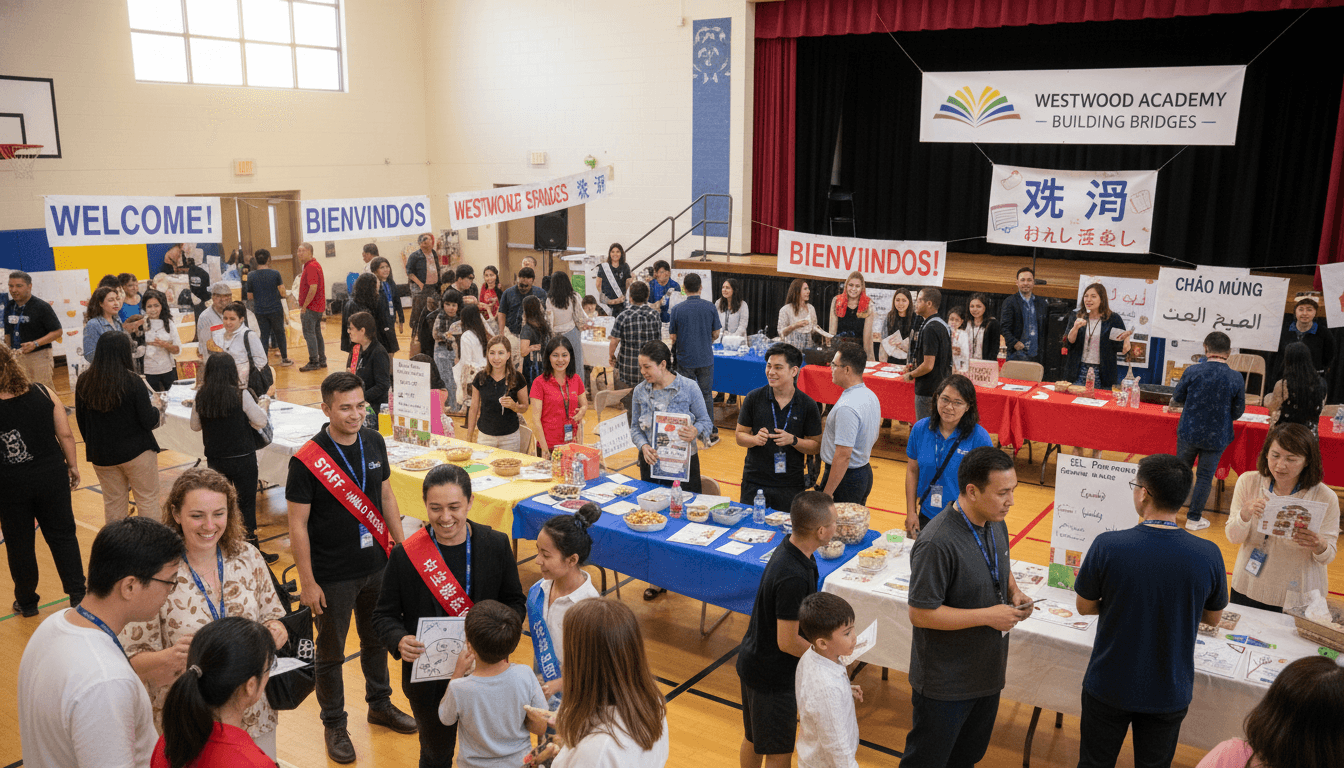
English Learner Family Engagement Newsletter: Reaching All Families
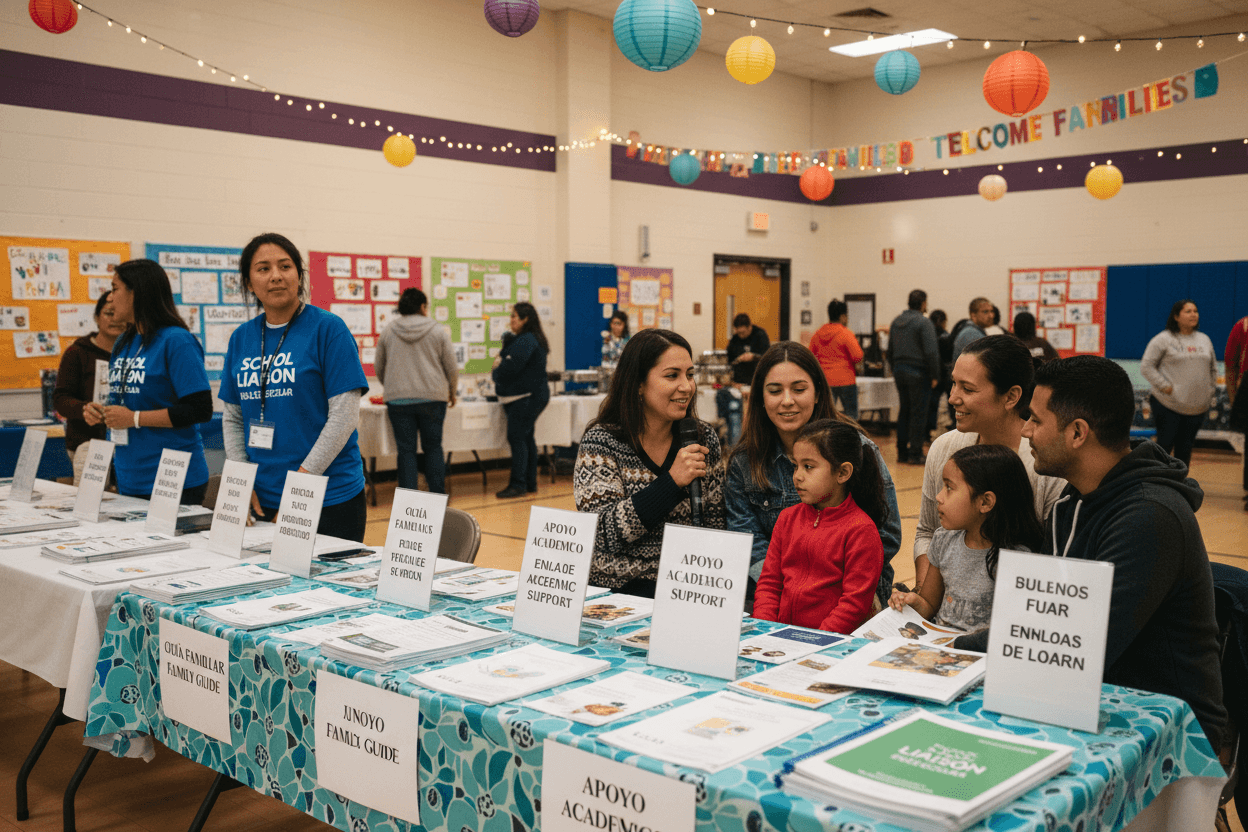
English learner families are among the most consistently under-served by school communications. The problem is not that these families are disengaged -- research consistently shows that immigrant families have high aspirations for their children's education. The problem is that the information they need to engage is not reaching them in a form they can use. A newsletter that communicates well with English-proficient families while presenting English learner families with untranslated content, jargon-heavy language, or culturally unfamiliar references is not a family engagement tool. It is an exclusion mechanism.
This guide covers how to build newsletters that genuinely reach English learner families, from translation standards to formatting choices to culturally responsive content.
Meet the legal baseline first
Under Title III of the Every Student Succeeds Act and Title VI of the Civil Rights Act, schools are required to provide meaningful communication to parents with limited English proficiency in a language they can understand. This is not optional. Newsletters, report cards, meeting notices, and all other school communications fall under this requirement. The standard is "meaningful," which courts and the Department of Education have consistently interpreted to mean translated, not simply available in English to families who could theoretically ask for help.
Meeting the legal baseline is the floor, not the ceiling. Compliance-level translation is better than nothing. Genuinely engaging multilingual communication requires more.
Use qualified human translators, not machine translation alone
Machine translation tools have improved significantly and are useful for initial drafts. They are not sufficient as the final product for family-facing communications. Machine translation errors in Spanish, Mandarin, Somali, or Arabic can range from mildly awkward to substantively misleading. More importantly, machine translation does not handle culturally specific references, idioms, or school-specific terminology accurately. A newsletter that refers to an "IEP" or a "504 plan" requires a translator who can explain what those terms mean in the context of American public schools, not simply render them phonetically.
Build relationships with community liaisons, bilingual staff, or professional translation services. Even a single human review pass on a machine-translated draft catches the most consequential errors.
Strip jargon from the source document before translating
The easiest way to improve translated newsletters is to improve the English source first. School newsletters are often dense with acronyms, bureaucratic language, and insider references that are confusing even to English-fluent families who are new to the school system. "MTSS," "PBIS," "Tier 2 intervention," "formative assessment," and "standards-based grading" all require explanation for most readers. Remove or define jargon in the English version and the translated version becomes clearer automatically.
Design for multilingual readability
A newsletter formatted with English and a translated language in parallel columns is easier to navigate than a newsletter that presents the full English text followed by the full translation. Parallel formatting allows family members with partial English literacy to move between languages as they read. It also communicates visually that both languages are equally valued, not that the translation is an afterthought at the bottom of the page.
For families whose primary language uses a non-Latin script -- Arabic, Chinese, Korean, Amharic -- ensure the font rendering is correct. A newsletter that displays incorrect characters because of font compatibility issues is worse than no translation.
Frame families as partners, not recipients
Deficit framing positions English learner families as problems to be managed: families who are "hard to reach," who "don't engage," or who "struggle to support their child's learning." This framing is factually inaccurate and undermines the relationship between school and family. English learner families are typically highly motivated partners who are navigating new systems in an unfamiliar language while managing significant daily demands. The newsletter's tone should reflect this.
Affirming language positions families as experts on their children who are being invited into a partnership. "We want to hear from you" is more accurate and more effective than "We encourage you to attend." Specific, low-barrier invitations are more accessible than general encouragement.
Include actionable next steps families can actually complete
A newsletter that informs English learner families about a school event but does not include the date, time, childcare information, and language support available is not actionable. Families making decisions about whether to attend a school event need enough information to actually show up. Include: the date and time in plain language, the location with simple directions or a map if relevant, whether translation or interpretation will be available, whether childcare or food is provided, and a specific contact person with a phone number families can call.
Build multilingual communication into the full calendar, not just major events
Multilingual newsletters for high-stakes events only -- immunization deadlines, testing dates, graduation -- while English-only newsletters carry the routine curriculum updates, family engagement opportunities, and community information creates a two-tier communication system. English learner families in a two-tier system receive compliance information but miss the relational content that builds school-family connection over time. Full multilingual communication across the full year is the standard that genuine family engagement requires.
Get one newsletter idea every week.
Free. For teachers. No spam.
Frequently asked questions
What is the legal requirement for communicating with English learner families?
Under Title III of the Every Student Succeeds Act and Title VI of the Civil Rights Act, schools must provide meaningful communication to parents with limited English proficiency in a language they can understand. This applies to newsletters, report cards, IEP meetings, and all other school communications. 'Meaningful' means translated into the family's primary language, not simply made available in English and assumed to be accessible. Schools that do not meet this standard are at legal risk.
Should the English and translated versions of a newsletter be identical?
The core information must be equivalent. However, a culturally responsive approach goes further by considering whether examples, references, and framing resonate with the families receiving the translated version. A newsletter that references American cultural touchpoints families may not recognize is less effective than one that uses universally accessible examples. Work with community liaisons or cultural brokers to review translated content for cultural resonance, not only linguistic accuracy.
How often should schools send multilingual newsletters to English learner families?
Every newsletter, every time. Multilingual communication is not a special accommodation for major announcements only. English learner families need access to the same routine information -- calendar changes, curriculum updates, family engagement opportunities -- that English-fluent families receive. Sending multilingual newsletters only for high-stakes events while English-fluent families receive full regular communication is an equity gap.
What are the most common mistakes schools make in ELL family newsletters?
The most common mistakes are: using machine translation without human review (which produces errors that undermine trust), translating only the headline or summary while keeping body content in English only, using deficit language that frames families as problems rather than partners, and omitting call-to-action items families can actually complete. A strong ELL family newsletter assumes the family is an expert on their child, explains school systems clearly without jargon, and provides a specific and accessible next step.
How can Daystage help schools produce consistent multilingual family newsletters?
Daystage provides a consistent newsletter structure that schools can use as the base for both English and translated versions. A stable format reduces the amount of translation required from issue to issue because recurring sections stay familiar. Schools can build multilingual templates that preserve the same section order, headers, and call-to-action placement across languages, making it easier for families to navigate each issue regardless of which language version they are reading.

Adi Ackerman
Author
Adi Ackerman is a former classroom teacher and curriculum writer with 8 years in K-8 schools. She writes about school communication, parent engagement, and what actually works in real classrooms.
More for Diversity & Equity
Ready to send your first newsletter?
3 newsletters free. No credit card. First one ready in under 5 minutes.
Get started free