

June Enrollment Report Newsletter: Year-End Summary, Demographic Shifts, and Open Enrollment Decisions
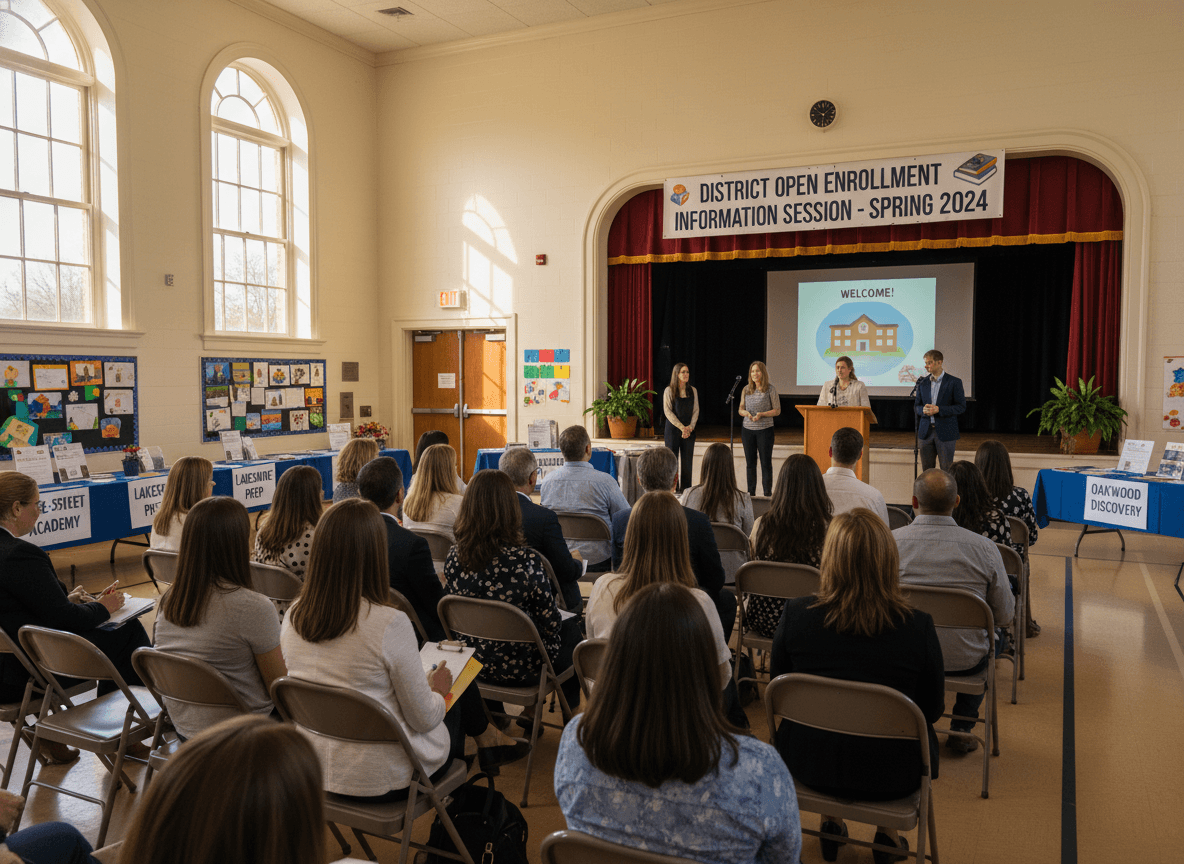
June is when the school year's enrollment story is fully written. Transfers are complete, open enrollment decisions are finalized, and the demographic composition of the district for the year just completed is known. A June enrollment report newsletter closes the annual enrollment communication cycle by presenting the full picture: final counts, demographic patterns, open enrollment outcomes, and what it all means for how schools will be organized when students return in August.
This guide covers how to structure the year-end enrollment summary, how to communicate about demographic shifts with clarity and purpose, how to present open enrollment outcomes, and how to connect enrollment data to the planning families care about.
Final enrollment count: the year-end summary
Present the district's final enrollment count for the school year that is ending. Include the total number of students, the breakdown by school, the breakdown by grade level, and the comparison to the prior year. If the district measures enrollment at multiple points in the year, note whether the June figure represents average daily membership, October 1 official count, or end-of-year enrollment, and explain why that distinction matters for how the numbers should be interpreted.
Connect the final enrollment count to the budget. State funding in most states is calculated from official enrollment counts, and a final figure that differs significantly from the budget assumption affects revenue for the current year and informs projections for next year. Families who understand this connection develop a more grounded view of why enrollment trends matter beyond the obvious question of how many kids are in school.
Demographic composition: what the numbers show
The June enrollment report is the right moment to share the demographic profile of the district's student population. Report the percentages of students in categories that affect program eligibility, staffing requirements, and federal reporting: students eligible for free and reduced lunch, English learners, students with disabilities served under IDEA, students experiencing homelessness, and the racial and ethnic composition of the student body.
Present year-over-year changes in each category. A five percent increase in the English learner population over three years has direct implications for staffing, program design, and Title III funding eligibility. A growing percentage of students eligible for free and reduced lunch affects the district's Title I funding allocation. These connections matter to families who care about whether the district is resourcing its programs appropriately for the students it serves.
Open enrollment outcomes
Report the results of the open enrollment process for the coming school year. How many requests were submitted? How many were approved? How many were denied, and for what reasons? What are the most requested schools, and what factors determined which requests could be accommodated?
Families who were denied open enrollment requests need a clear explanation of what happened and what their options are. If there is an appeal process, describe it in the newsletter and include the deadline. If the denial was based on capacity constraints and the family is placed on a waitlist, explain when and how waitlist movement will be communicated.
Open enrollment outcomes should be communicated to individual families directly and simultaneously with the newsletter that describes the aggregate results. Families should not read a district-wide summary before receiving their own notification.
School boundary and configuration changes
If enrollment data from the year is informing any changes to school attendance boundaries or grade configurations for the coming year, describe those changes in the June newsletter. Which boundaries are being adjusted? What prompted the change? How many students are affected, and when will they receive direct notification of their new school assignment?
Boundary changes are among the most disruptive communications a district can send, and families who receive them in June have more time to plan than families who receive them in July. The June enrollment newsletter is the appropriate vehicle for announcing that boundary changes are coming and for explaining the enrollment-driven rationale behind them.
What declining or growing schools mean for program planning
Schools that are significantly above or below capacity create planning challenges that affect every family in the building. A school that is operating well below capacity may face program consolidation, staff reductions, or a boundary change to attract enrollment. A school at or above capacity may face class size pressure, temporary classrooms, or a lottery for enrollment requests it cannot accommodate.
The June enrollment newsletter is the moment to name these situations directly and describe what the district is doing about them. Families who learn about capacity challenges in June have the summer to engage in planning discussions. Families who learn about them in the first week of school have no opportunity to shape the decisions that have already been made.
What school assignment letters will say and when
Close the June enrollment newsletter by describing the timeline for summer communication about school assignments. When will class placement letters be mailed or emailed? When will families be able to see their child's teacher and classroom assignment online? When can families schedule a visit to a new school if their child is transitioning to a different building?
Setting these expectations in June reduces the summer anxiety that many families experience when they have not heard from the district for weeks. A district that communicates consistently through June, July, and August sends a signal that families are not forgotten just because school is not in session.
Get one newsletter idea every week.
Free. For teachers. No spam.
Frequently asked questions
What makes a June enrollment newsletter different from the May version?
The May enrollment newsletter focuses on projections and registrations in progress. The June version is the official year-end summary: final enrollment counts for the year just completed, the demographic composition of the student body, open enrollment decisions that have been finalized, and what those numbers mean for school assignments and class configurations in August. It is the last enrollment communication before summer, and it should give families a complete picture of where the district stands heading into the planning season.
How should districts report on demographic shifts in a June enrollment newsletter?
Report year-over-year changes in the composition of the student body: changes in the percentage of students eligible for free and reduced lunch, shifts in English learner populations, changes in special education enrollment, and any significant changes in racial or ethnic composition that reflect broader community demographic trends. Explain what these shifts mean for program planning, staffing, and federal funding eligibility. Families and community members who understand demographic context make better-informed participants in district decisions.
When should open enrollment decisions be communicated and what should families know?
Open enrollment decisions for the coming school year should be communicated in June, giving families the summer to plan for a school change before August. The June newsletter should announce the overall number of open enrollment approvals and denials, explain the factors the district used to evaluate requests, and describe the process for families who were denied and wish to appeal. Families should receive individual notifications directly, but the newsletter gives the full community context for how the process worked.
How should districts communicate about declining enrollment in a June newsletter?
Declining enrollment is one of the most sensitive topics in district communication, because it often precedes school closures, attendance boundary changes, or program consolidations. The June newsletter should present the data accurately and connect it to the conversations the district is having about its long-range facility and program plan. Families who learn about enrollment trends in June have more time to engage in planning discussions than families who are first informed when a closure proposal lands on the board agenda in October.
How does Daystage support June enrollment communication across the district?
Daystage lets districts send school-specific enrollment summaries to families at each building while also delivering a district-wide overview in a single communication campaign. Districts use Daystage to include enrollment comparison charts, open enrollment results, and links to school assignment information in a newsletter that reaches every family before summer break. The platform's scheduling feature lets districts time the enrollment summary to arrive on the same day open enrollment notifications are sent directly to families.

Adi Ackerman
Author
Adi Ackerman is a former classroom teacher and curriculum writer with 8 years in K-8 schools. She writes about school communication, parent engagement, and what actually works in real classrooms.
More for District
May Enrollment Report Newsletter: Final Counts, Summer School, and Next-Year Planning
District · 6 min read
June Budget Update Newsletter: Communicating the Adopted Budget, Per-Pupil Spending, and Fund Balance
District · 6 min read
July Enrollment Report Newsletter: Summer Updates, New Family Registrations, and School Capacity Planning
District · 6 min read
Ready to send your first newsletter?
3 newsletters free. No credit card. First one ready in under 5 minutes.
Get started free