

May Enrollment Report Newsletter: Final Counts, Summer School, and Next-Year Planning
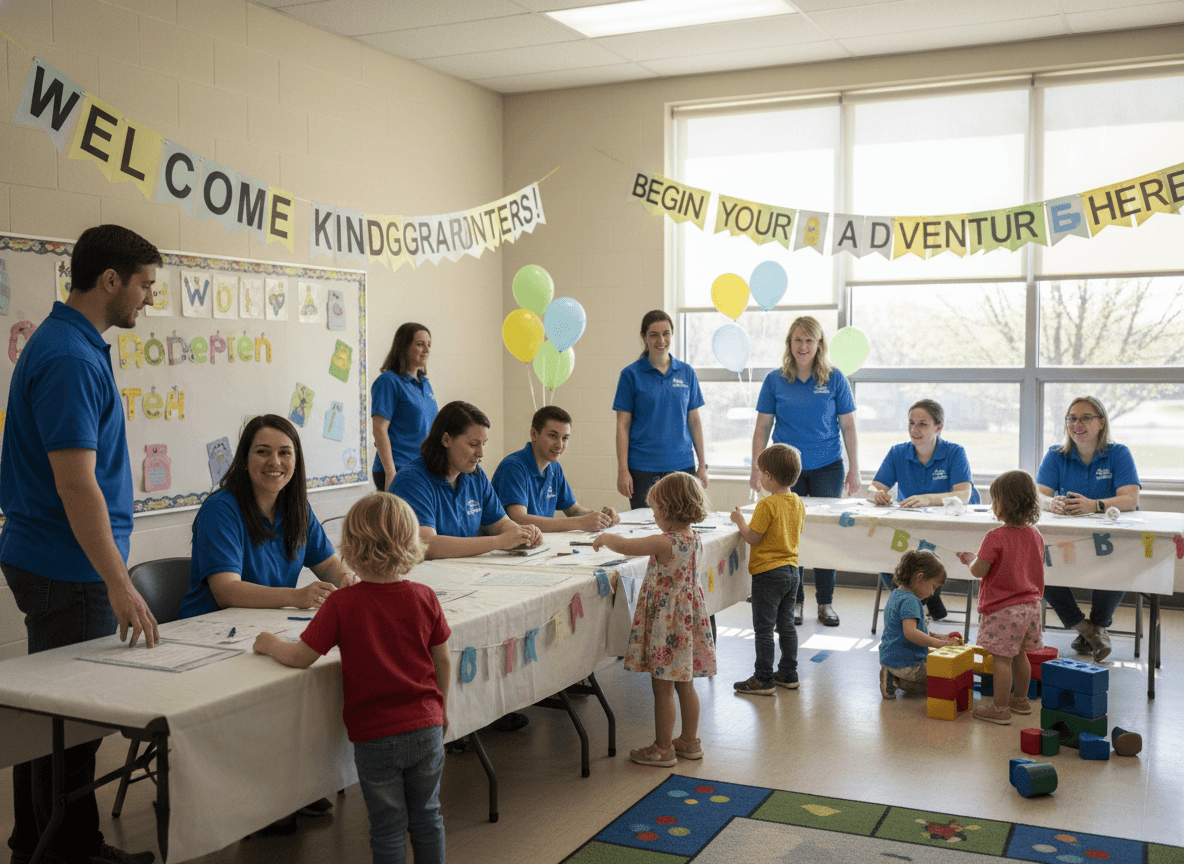
By May, the enrollment story for the current school year is essentially complete. The final headcount is in, kindergarten registration has closed or is closing, and the district has the data it needs to plan staffing for the fall. A May enrollment report newsletter translates that data into information families can use: who is attending, who has registered for next year, where summer school is heading, and what the numbers mean for how schools will be staffed in August.
This guide covers what to include in a May enrollment report, how to communicate about staffing implications, how to drive late registrations, and how to connect summer school information to families who need it most.
Final enrollment counts for the current year
Start the May enrollment report with the final enrollment count for the current school year. Present the total district number, the school-by-school breakdown, and the comparison to the prior year. Families who have been following district enrollment trends will want to know whether the district grew, held steady, or declined relative to last year's numbers.
If enrollment came in differently than the budget assumed, note that difference and explain what it means for the district's funding. State aid in most states is enrollment-driven, and a final count that is meaningfully higher or lower than the budget projection affects revenues in ways that connect directly to program and staffing decisions families care about.
Kindergarten registration: where things stand
Kindergarten enrollment is the leading indicator of district trends. The May newsletter should report the number of students registered for kindergarten in the coming school year, how it compares to the incoming kindergarten class from last year, and what it implies for class configurations at each elementary school.
If registration is lower than expected, the May newsletter is the right moment to reach families who have not yet registered. Include the registration deadline, the process for completing registration, and the documents families need to bring. Some families delay registration not out of disinterest but because they do not know the deadline is real. A direct invitation with a clear call to action in the May newsletter often produces a meaningful increase in late registrations.
Next-year registration status across grade levels
Beyond kindergarten, report on next-year registration across all grade levels. What percentage of current families have completed re-enrollment or confirmed their intent to return? Are there schools where registration is significantly lower than current enrollment suggests it should be, which might indicate families are considering transfers or private school options? Are there schools where registration exceeds current capacity, which will require decisions about class sizes or boundary adjustments?
Families who are planning a move, considering a transfer, or weighing options for the fall often make those decisions in May. A registration status update in the May newsletter gives them accurate information at exactly the moment they need it.
Staffing implications of enrollment data
Enrollment data drives staffing decisions, and families deserve to understand that connection. The May newsletter should describe, in general terms, what the enrollment numbers imply for teacher positions at each school. If total enrollment is stable and staffing levels will remain consistent, say that. If enrollment growth at a school triggers a new teaching position, name it. If enrollment decline places a position under review, acknowledge that and explain the process and timeline for making that decision.
Families who learn about possible staffing changes in May have time to engage with the process before decisions are finalized. Families who learn about those changes in August, after school assignments go out, feel blindsided regardless of how understandable the financial rationale is. May enrollment communication prevents that outcome.
Summer school projections and registration
Include summer school information prominently in the May enrollment report. How many students are projected to attend summer school? What programs will be offered, at which sites, and for which grade levels? What is the registration process and deadline? Is there a cost to families, or is programming funded through district or federal sources?
Summer school communication is often underinvested in district newsletters. Families who do not receive a clear invitation with specific program details frequently assume summer school is for remediation only or is unavailable to their child. A May newsletter that describes summer learning opportunities, including enrichment programs, academic recovery, and extended kindergarten readiness work, reaches families at the right moment to drive meaningful participation.
Open enrollment decisions and transfer timelines
If the district has an open enrollment policy that allows families to request placement at a school outside their attendance zone, the May newsletter should describe the timeline and process. When does the open enrollment window close? When will families receive notification of whether their request was approved? How does the district determine availability and priority when requests exceed capacity at a given school?
Open enrollment communication in May prevents the frustration that comes when families miss a deadline they did not know existed or when they receive a denial without understanding the process that produced it.
What to expect before August
Close the May enrollment report with a clear summary of what families will hear from the district between now and the start of school. When will school assignment notifications go out? When will class placement letters be available? When can families expect to hear about their child's teacher for the fall?
Setting expectations for summer communication reduces the volume of inquiries the district receives in July and August from families who are uncertain about their child's placement. A single clear statement in the May newsletter about when families will hear what can eliminate hundreds of phone calls and emails over the summer months.
Get one newsletter idea every week.
Free. For teachers. No spam.
Frequently asked questions
Why should districts publish an enrollment report newsletter in May?
May is when the school year's enrollment picture is essentially complete. Families who registered for kindergarten, transferred between schools, or enrolled mid-year have largely done so. Districts now have reliable data to share: final enrollment counts by school and grade, completion rates for next-year registration, summer school projections, and the staffing implications of those numbers. Sharing this openly with families closes the spring communication cycle and sets expectations for what families will hear about school assignments and staffing before August.
What final enrollment data should a May newsletter include?
The May enrollment report should include total district enrollment for the current year, how it compares to last year and to the projection used in budget planning, and the breakdown by school and grade level if practical. It should also note the number of families who have completed registration for the coming school year and what percentage of next-year enrollment that represents. Families who have not yet registered should see a clear call to action with the registration deadline and steps to complete the process.
How should districts communicate about staffing implications of enrollment data?
Connect enrollment numbers to staffing decisions in clear terms. If enrollment data supports adding a teaching position at an elementary school, say so and explain the class size that made it necessary. If enrollment is declining at a school and a reduction in staff is under consideration, be direct about the process and timeline. Families should not hear about staffing changes that affect their child's school for the first time at an August open house. May enrollment data makes those decisions visible early enough that families can engage before the decisions are final.
What should districts say about summer school enrollment in a May newsletter?
Include projected summer school enrollment, the academic programs being offered, how families can register, and the funding source for summer programming. If federal relief funding or state academic recovery grants are supporting summer school, explain that. Families often do not know that their child qualifies for or can benefit from summer programming, and the May newsletter is a direct opportunity to make that invitation. Include the registration deadline prominently.
How does Daystage support May enrollment communication?
Daystage lets districts send enrollment report newsletters with school-specific data to families across the entire district in one communication. Districts use Daystage to include registration links, summer program information, and school assignment timelines in a format that works on any device. Because Daystage is built for school communication, the enrollment newsletter reaches families at the moment when decisions about summer and next year are being made.

Adi Ackerman
Author
Adi Ackerman is a former classroom teacher and curriculum writer with 8 years in K-8 schools. She writes about school communication, parent engagement, and what actually works in real classrooms.
More for District
April Enrollment Report Newsletter: Final Projections, Boundary Decisions, and Next-Year Planning
District · 6 min read
May Budget Update Newsletter: What School Districts Should Communicate at Year-End
District · 6 min read
June Enrollment Report Newsletter: Year-End Summary, Demographic Shifts, and Open Enrollment Decisions
District · 6 min read
Ready to send your first newsletter?
3 newsletters free. No credit card. First one ready in under 5 minutes.
Get started free