
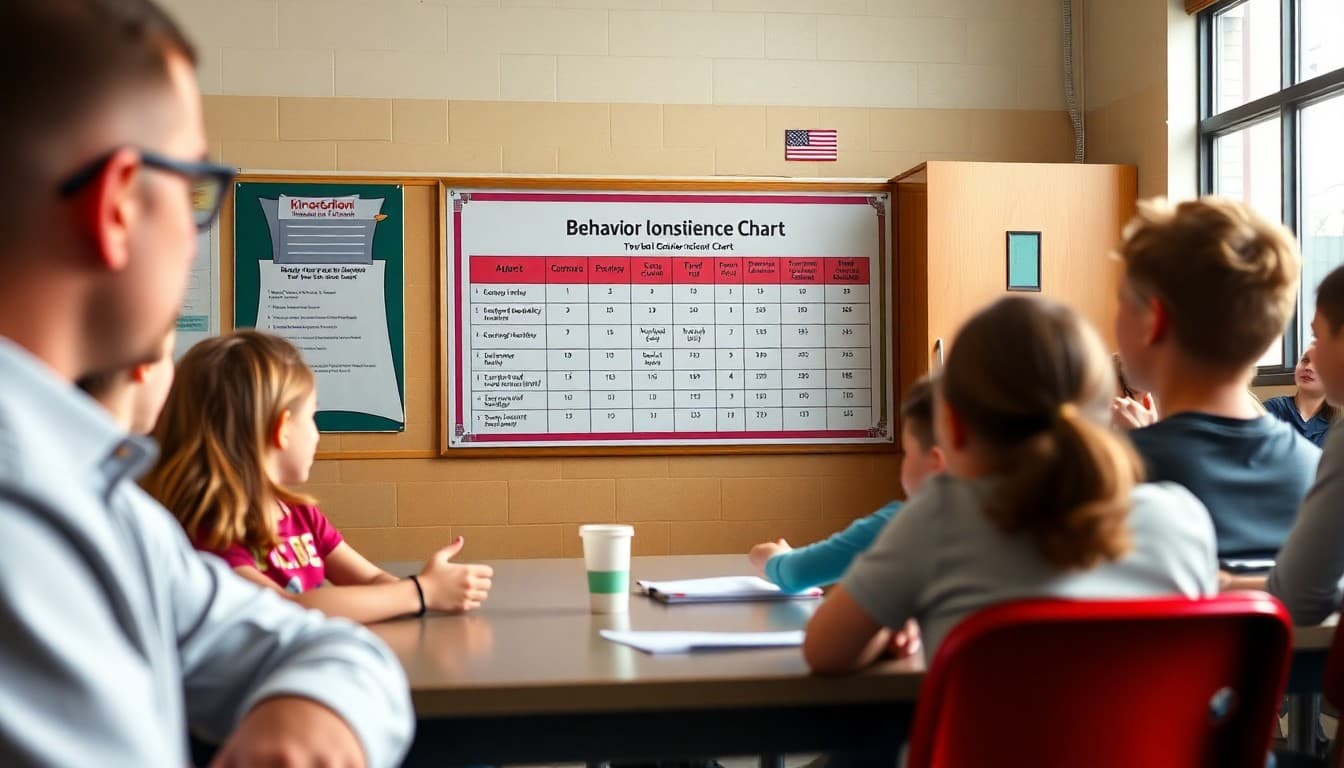
School Discipline Matrix Newsletter: Clear Consequences Explained
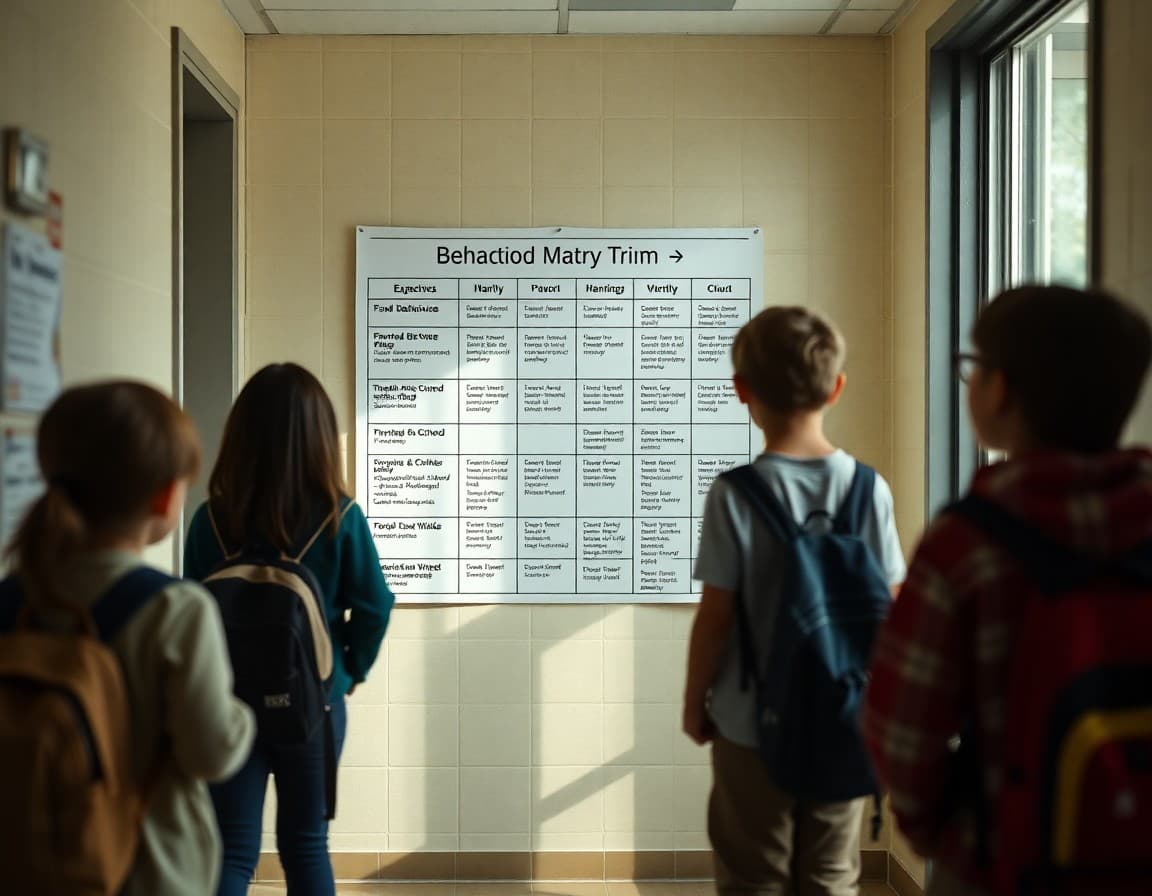
A discipline matrix that families do not understand is just a document the school has. A discipline matrix that families understand is a shared agreement about how the school community handles behavior. The newsletter is the mechanism for converting the first into the second. It needs to explain the structure, defend the rationale, and give families enough specificity to explain the system to their students.
Explain what a discipline matrix is
"A discipline matrix is a reference guide that describes how the school responds to specific categories of behavior. Its purpose is consistency: every student who engages in the same behavior receives the same level of response. This prevents the situation where one teacher sends a student to the office for something another teacher handles with a conversation."
Families who understand that the matrix exists to create fairness and predictability receive it differently than families who see it as a list of punishments.
Describe the three levels
Most discipline matrices have three levels. Describe each:
"Level 1 behaviors are managed by the teacher in the classroom: off-task behavior, minor disruption, failure to follow classroom procedures. Teachers have a range of responses: a private conversation, a seating change, a parent communication, a reflection form."
"Level 2 behaviors involve the administration: threats to other students, repeated Level 1 behavior that has not responded to classroom intervention, physical altercations without injury. Responses include an office conference, parent meeting, and possible short-term consequences."
"Level 3 behaviors involve mandatory consequences and may include law enforcement: weapons, threats of violence, actions that constitute crimes. These follow district and legal protocols."
Explain how restorative options fit in
If the school uses restorative practices alongside the matrix, describe how they interact: "For Level 1 and many Level 2 behaviors, a restorative process may be offered alongside or in place of a punitive consequence. The restorative option requires more from the student, not less. It is appropriate when the harm is to a relationship rather than to safety, and when both parties are willing to participate."
Share behavioral data and patterns
"Last year, 76% of behavioral incidents in our school were Level 1 and resolved without office involvement. Office referrals declined 18% after we implemented the matrix three years ago. That decline reflects more consistent classroom management and clearer expectations for students."
Acknowledge and address disparities
"Our discipline data shows disparities we are actively addressing. Black and Latino male students received office referrals at rates higher than their share of the student population. We have implemented implicit bias training for all staff, added restorative options for Level 1 behaviors, and are reviewing our data monthly rather than annually to track progress. We will share updated data in our February newsletter. This is a long-term commitment, not a one-year project."
Template: discipline matrix family communication
"Jefferson Elementary uses a three-level discipline matrix to ensure consistent, fair responses to student behavior. Level 1 behaviors are managed in the classroom by the teacher. Level 2 behaviors involve the assistant principal and a parent conference. Level 3 behaviors involve the principal and may include law enforcement. The full matrix is attached. Our goal is that every student and family knows exactly what to expect before any incident occurs. If you have questions about a specific behavior or situation, contact Ms. Rivera in the counseling office."
Give families the conversation to have with students
"Share the matrix with your student tonight and ask them: do you know how the school handles [specific behavior]? Do you understand what would happen if [scenario]? Students who know the expectations before an incident are less likely to feel blindsided by consequences and more likely to make different choices."
Get one newsletter idea every week.
Free. For teachers. No spam.
Frequently asked questions
What should a school discipline matrix newsletter include?
Describe the matrix structure: how behaviors are categorized (minor, major, severe), what responses are assigned to each category, and who handles which level. Explain the principles behind the matrix: consistency, predictability, and restorative options alongside consequences. Note any changes from previous years. Give families the language to discuss the matrix with their student so expectations are clear at home.
How do you explain the discipline matrix to families without making it sound punitive?
Frame the matrix as a predictability and fairness tool: 'The discipline matrix ensures that every student who engages in the same behavior receives the same level of response, regardless of who their teacher is or which administrator is on duty. Consistency is not punitive. It is fair.' That framing positions the matrix as a protection for students, not a threat to them.
What is the difference between minor and major behavioral infractions in a typical school discipline matrix?
Minor infractions are typically managed at the classroom level: off-task behavior, minor disruption, failure to follow classroom procedures. They are addressed by the teacher with a verbal reminder, a redirect, or a brief conversation. Major infractions involve intentional disruption of the learning environment, threats to others, or repeated minor behavior that has not responded to classroom intervention. These go to the office. Severe infractions involve threats to safety and have mandatory consequences including potential law enforcement involvement.
How do you address racial and economic disparities in school discipline in the newsletter?
If the school has discipline data that shows disparities by race or income, the newsletter should acknowledge it: 'We review our discipline data each semester for patterns that might indicate inconsistent application of our matrix. Last year we identified a disparity in office referrals for Black male students and implemented teacher training to address implicit bias in minor infraction responses. We will share updated data in January.' Silence on known disparities builds distrust. Honest acknowledgment with action plans builds confidence.
How does Daystage help schools communicate discipline policies clearly?
Daystage lets you send the discipline matrix as a well-formatted newsletter with clear visual structure for the behavior levels and corresponding responses. You can link to the full policy document for families who want complete details and follow up with a mid-year data update showing how the matrix has been applied. Documented, consistent policy communication supports the school's credibility with families throughout the year.

Adi Ackerman
Author
Adi Ackerman is a former classroom teacher and curriculum writer with 8 years in K-8 schools. She writes about school communication, parent engagement, and what actually works in real classrooms.
More for School Culture
Ready to send your first newsletter?
3 newsletters free. No credit card. First one ready in under 5 minutes.
Get started free