

Restorative Practices School Newsletter: Repairing Relationships
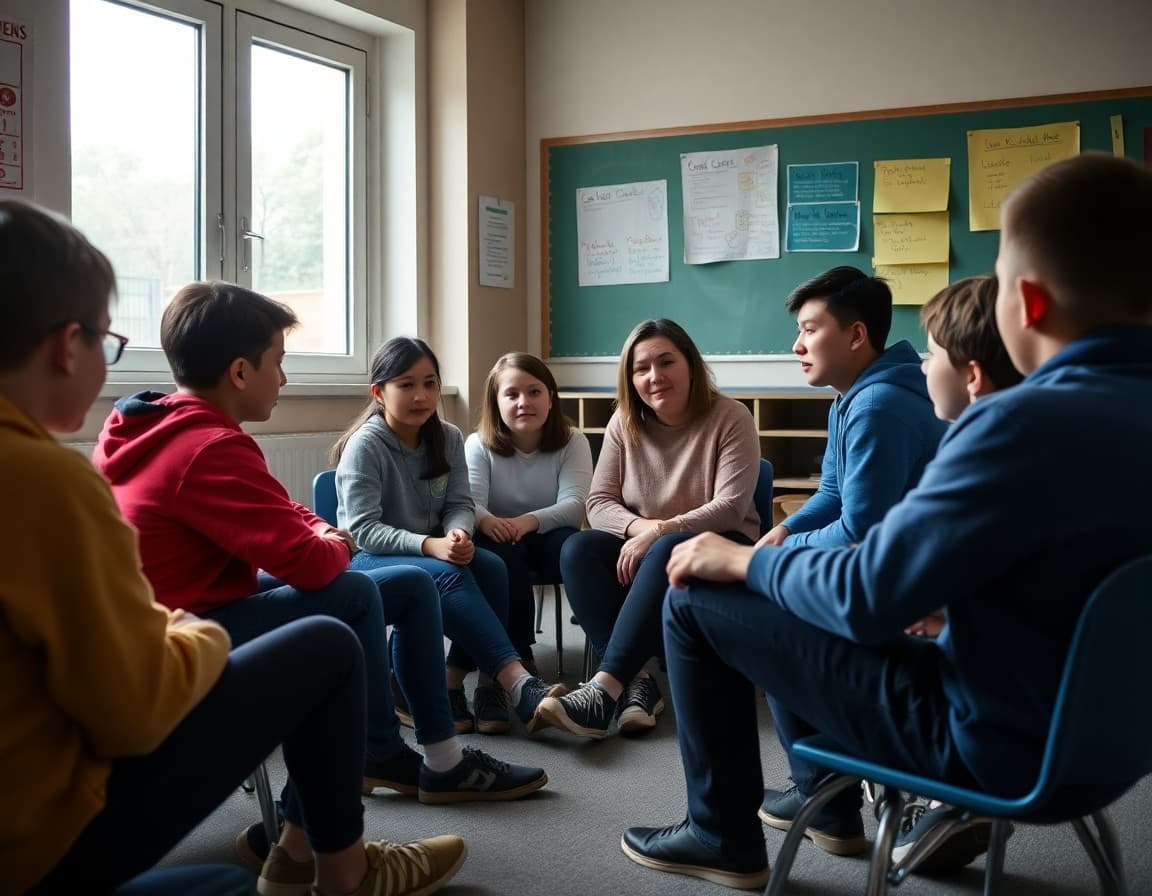
Restorative practices represent a shift in how schools think about discipline: from consequence-focused to relationship-focused. That shift is meaningful, well-supported by research, and often poorly explained to the families who need to understand it most. A newsletter that explains restorative practices honestly, including the parts that require more from students than a traditional punishment would, builds the family trust the approach needs to work.
Define the approach before defending it
Before you address the skeptics, define what restorative practices actually are: "Restorative practices are an approach to conflict and harm that focuses on understanding the impact of behavior, repairing relationships, and rebuilding community. When a student causes harm to another person, a restorative process involves both students in a structured conversation where the student who caused harm understands the impact, the student who was harmed states what they need, and together they agree on a plan for repair."
That description is accurate and sets up the accountability conversation on solid ground.
Address the "letting students off the hook" concern directly
This concern is common and worth addressing without being defensive: "Some families ask whether restorative practices mean students do not face consequences for harmful behavior. The answer is that restorative practices require more, not less. A student who sits in a detention has served a consequence. A student who participates in a restorative process has to face the person they harmed, listen to the impact of their actions, and make specific commitments to repair the relationship. That is more demanding, and more likely to produce lasting change."
Explain the restorative questions
The five restorative questions are the practical core of the approach. Share them with families:
- What happened?
- What were you thinking about at the time?
- Who has been affected, and how?
- What do you need to make things right?
- How can we make sure this does not happen again?
These questions apply at home as readily as at school. A family using this process after a sibling conflict is reinforcing the same skills the school is building.
Describe restorative circles
Restorative circles are the most structured tool in the approach. "A restorative circle brings together those involved in a conflict or incident, guided by a trained facilitator. Everyone speaks in turn. The circle creates space for every perspective to be heard before a resolution is agreed upon. Circles are used both for repairing harm after an incident and for building community connection before harm occurs."
Center the person harmed explicitly
Families whose children have been harmed need to know that their child's experience is the center of a restorative process, not an afterthought: "Our restorative process always begins by asking the person harmed what they need. The repair agreement reflects those needs, not just the expectations of the adults involved. If your child has been harmed and is participating in a restorative process, they have a voice in what repair looks like."
Template: restorative practices introduction paragraph
"This year, Jefferson Elementary is expanding our restorative practices approach to all grades. When students cause harm to each other, we use a structured process that focuses on understanding the impact, hearing from everyone affected, and agreeing on a plan to repair the relationship. This is not a replacement for accountability. It is a more complete form of it. If you have questions about how this works or about a specific situation involving your child, contact our school counselor, Ms. Rivera, at [email]."
Share what the data shows
Schools that have implemented restorative practices consistently report fewer repeat behavior incidents, lower suspension rates, and better school climate survey results. Sharing even preliminary data from your own school, or data from comparable schools in the first year of implementation, gives families evidence that the approach produces real change rather than just good intentions.
Get one newsletter idea every week.
Free. For teachers. No spam.
Frequently asked questions
What should a restorative practices school newsletter include?
Explain what restorative practices mean in the school context: the emphasis on repairing harm and rebuilding relationships rather than primarily punishing rule violations. Describe the core tools: restorative circles, affective statements, and restorative questions. Address the common family concern that restorative practices let students off the hook. Give families restorative language they can use at home when their child causes harm or experiences it.
How do you explain restorative practices to skeptical families?
The most common objection is that restorative practices are soft on behavior. Address it directly: 'Restorative practices are not about avoiding accountability. They require students to confront their behavior, understand the harm they caused, and make a concrete commitment to repair it. That process is often more demanding than a detention. The goal is a student who understands why their behavior was harmful, not just a student who served a consequence and moved on.'
What restorative language should families use at home?
The five restorative questions are the most practical tool to share with families: What happened? What were you thinking about at the time? Who has been affected and how? What do you need to make things right? How can we make sure this does not happen again? These questions apply to family conflicts as much as school incidents and give families a process for addressing harm at home that mirrors the school's approach.
How do you handle the victim's perspective in a restorative practices newsletter?
Restorative practices center the needs of the person harmed, not just the behavior of the person who caused harm. The newsletter should mention this explicitly: 'In a restorative process, we ask the person harmed what they need to feel safe and supported. Repair is determined partly by what the person harmed says they need.' Families of students who have been harmed need to know their child's experience is centered in the process.
How does Daystage support school culture and discipline communication?
Daystage lets you send the restorative practices introduction newsletter at the start of the year, a mid-year update showing how restorative conversations have affected the school climate data, and targeted newsletters to families whose students have participated in restorative processes. Consistent, clear communication about the approach builds community trust over time.

Adi Ackerman
Author
Adi Ackerman is a former classroom teacher and curriculum writer with 8 years in K-8 schools. She writes about school communication, parent engagement, and what actually works in real classrooms.
More for School Culture
Ready to send your first newsletter?
3 newsletters free. No credit card. First one ready in under 5 minutes.
Get started free