
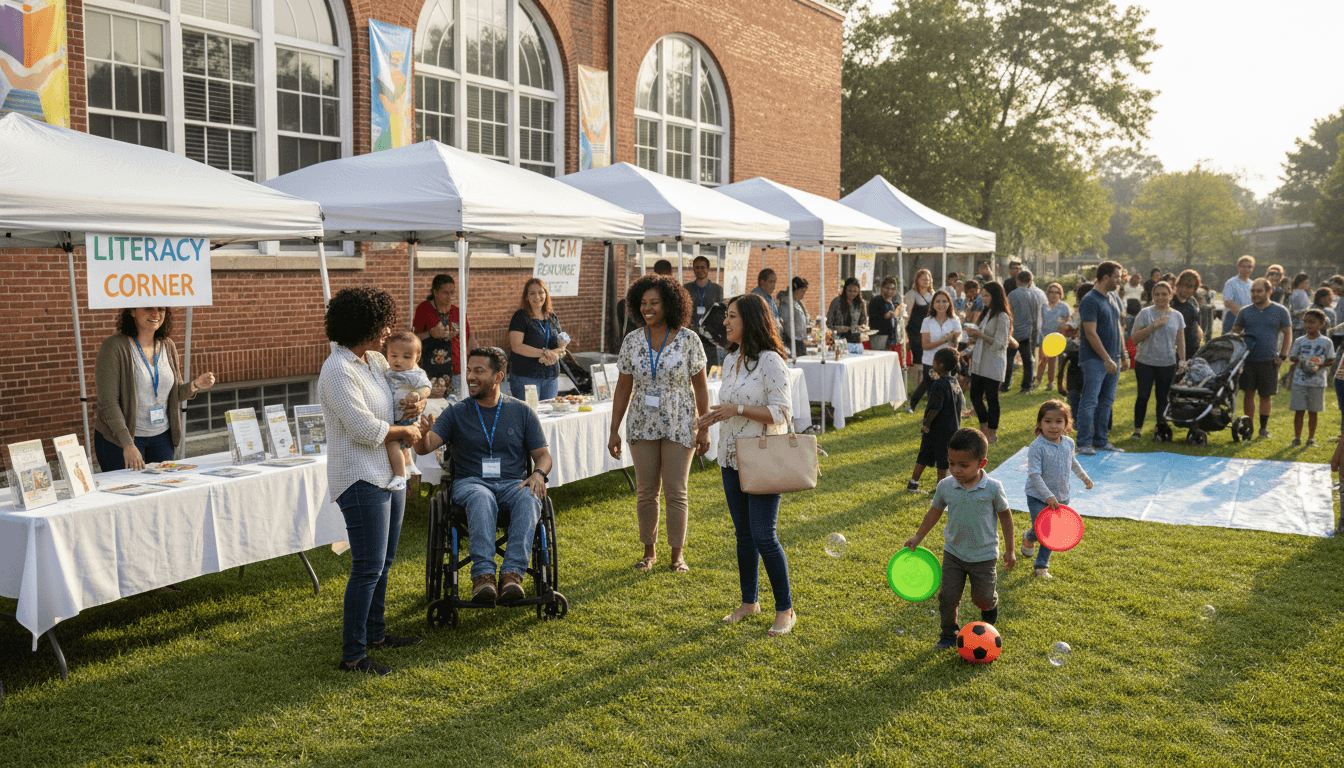
School Community Health Fair Newsletter: How to Plan, Promote, and Follow Up
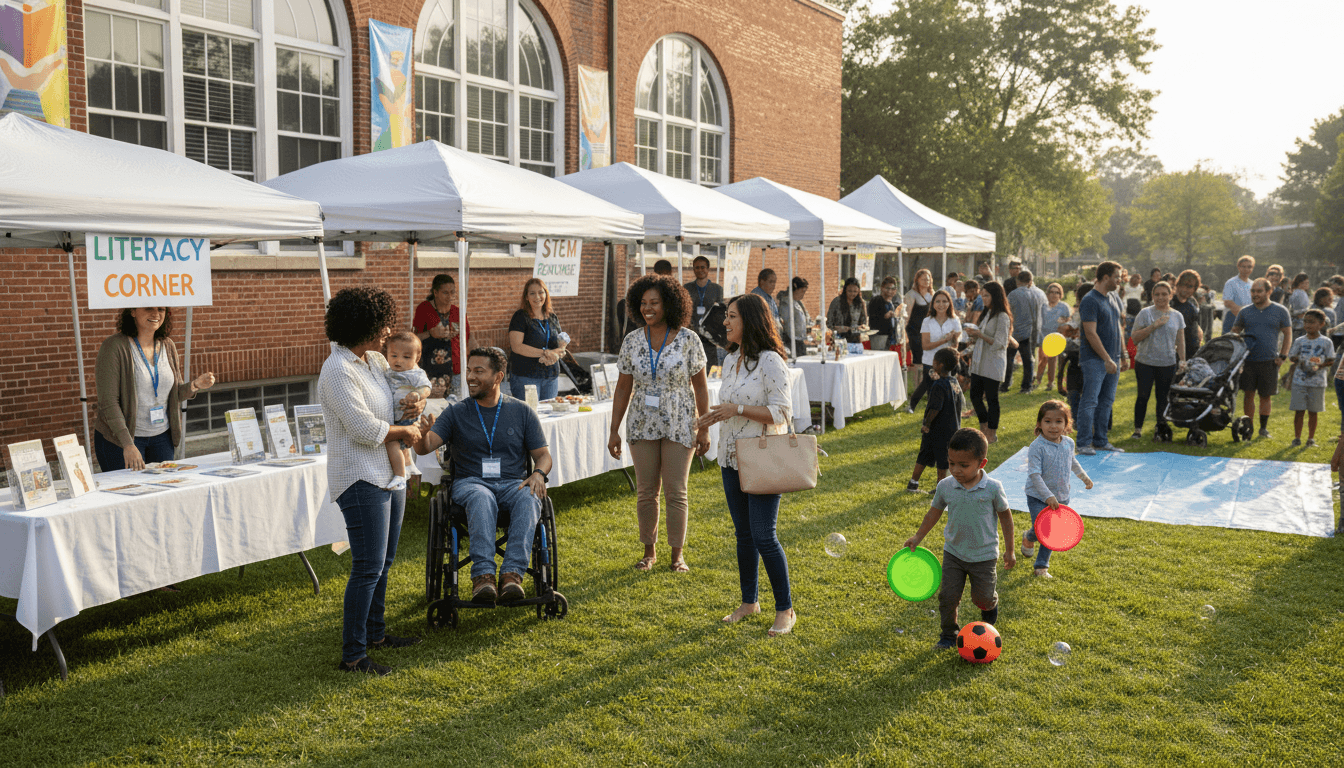
A well-run school community health fair can connect hundreds of families to free health screenings, insurance enrollment, and community resources in a single afternoon. The newsletter is the primary channel for turning that potential into actual attendance, and for building the community relationships that make the fair worth holding year after year.
The First Newsletter: What Is Available and Why It Matters
The announcement newsletter, sent three weeks before the event, should list every service available in plain language. Families make the decision to attend based on whether there is something specific that benefits their household. A comprehensive service list tells families "there is something here for you."
"At our Spring Community Health Fair on Saturday, May 10 from 10 AM to 2 PM, you can get: free vision and hearing screenings for children and adults, blood pressure checks, dental hygiene kits and education, flu shots at no cost, help enrolling in health insurance, referrals to mental health services, and food and nutrition resources. Everything is free. No appointment needed."
Address Attendance Barriers Proactively
Families who would benefit most from a health fair often face the most barriers to attending: transportation, language, concerns about documentation requirements, or childcare. Name these barriers and address them in the newsletter.
"The health fair is held at our school gym at [address]. Free parking is available in the school lot. Translation services in [languages] will be on-site. No documentation or insurance is required to receive any service. Supervised activities for children will be available while parents visit booths."
Partner Organizations Deserve Visibility
The organizations that staff your health fair are community partners who deserve recognition in the newsletter, both before and after the event. Naming the Community Health Center, the dental school volunteers, and the county social services office in the newsletter builds those organizations' visibility in the school community and reinforces the partnership for future events.
The Same-Week Reminder Newsletter
The reminder newsletter three to five days before the event should be brief and focused on logistics. Date, time, location, and one compelling sentence about why attending is worth the family's time. Families who intend to come but have not confirmed the date in their calendar are the primary audience for this reminder.
Post-Event Impact Report
The newsletter after the health fair completes the story. How many families attended? How many screenings were conducted? How many referrals were made? Were any services particularly in demand? When is the next fair scheduled?
Impact reporting tells the community that the school follows through, that the event produced real results, and that the investment in showing up was worthwhile. Families who see impact numbers are more likely to attend the next event.
Get one newsletter idea every week.
Free. For teachers. No spam.
Frequently asked questions
What services are typically offered at a school community health fair?
Blood pressure and glucose screenings, vision and hearing checks for children and adults, dental hygiene education and basic screenings, immunization updates, mental health resources and counseling referrals, nutritional counseling, insurance enrollment assistance, and information tables from local health and social service organizations. Schools in underserved communities often attract 10 to 20 partner organizations to a single health fair.
How should a newsletter promote a community health fair?
Three newsletters over three weeks: the first announces the event with a full list of services, date, time, and location. The second highlights specific services that are free and does not require registration, and addresses common barriers like transportation and language. The third is a same-week reminder with practical logistics. Each issue should give families a reason to attend that is specific to their situation.
How do you make a health fair newsletter accessible to families with health concerns?
Avoid stigmatizing language. Instead of 'free health services for low-income families,' say 'free health screenings for the whole community.' All families benefit from free screenings, regardless of income. Framing the event as a community benefit rather than a service for people who cannot afford healthcare removes a barrier that prevents higher-income families from attending and keeps lower-income families from feeling singled out.
How do you follow up after a health fair in the newsletter?
A post-fair newsletter summary tells the community how many families were served, which services were most accessed, what referrals were made, and when the next event will be. This accountability communication shows the community that the fair was more than a one-time gesture and builds trust for future events.
How does Daystage support health fair communication for schools?
Daystage allows schools to send health fair newsletters in every language spoken in the school community, which is essential for health events serving immigrant and multilingual families. The platform's scheduling feature supports the three-newsletter promotional sequence without requiring staff to manually send each issue.

Adi Ackerman
Author
Adi Ackerman is a former classroom teacher and curriculum writer with 8 years in K-8 schools. She writes about school communication, parent engagement, and what actually works in real classrooms.
More for Community Outreach
School Grant Impact Newsletter: How to Report Community Funding Results
Community Outreach · 5 min read
School Naming and Renaming Community Newsletter: Engaging the Community in a Significant School Decision
Community Outreach · 5 min read
Community Input Newsletter: How Schools Collect Family Feedback on School Planning
Community Outreach · 5 min read
Ready to send your first newsletter?
3 newsletters free. No credit card. First one ready in under 5 minutes.
Get started free