
School Newsletter: Honoring Military Families in Our School Community
May is Military Appreciation Month, and for schools that serve military families -- whether near a base, in a community with significant veteran populations, or simply with a student whose parent is deployed -- this is a meaningful moment to acknowledge the specific challenges and contributions of those families in plain, honest terms.
The Reality of Military Family Life at School
Military families experience school transitions at a rate that few civilian families do. A student who has attended four schools in six years faces a unique set of challenges: building new friend groups repeatedly, adjusting to different curriculum pacing, and carrying the anxiety of a parent's deployment. A newsletter that acknowledges this reality -- not with pity but with genuine recognition -- signals to military families that the school sees their situation.
How the School Supports Students With Deployed Parents
Describe specifically what the school does to support students whose parents are deployed: regular counselor check-ins, teacher awareness of deployment status, flexibility in communication preferences for deployed parents, and connections to resources like Operation: Military Kids. Families who know these supports exist are more likely to inform the school of deployment status and less likely to feel they need to manage the experience alone.
Interstate Compact for Military Children
Many states participate in the Interstate Compact on Educational Opportunity for Military Children, which streamlines enrollment, graduation requirements, and extracurricular eligibility for transferring military students. If your state participates, mention it in the newsletter. Military families who are navigating a mid-year transfer need to know about the legal protections and accommodations available to their children.
Honoring Veteran Family Members
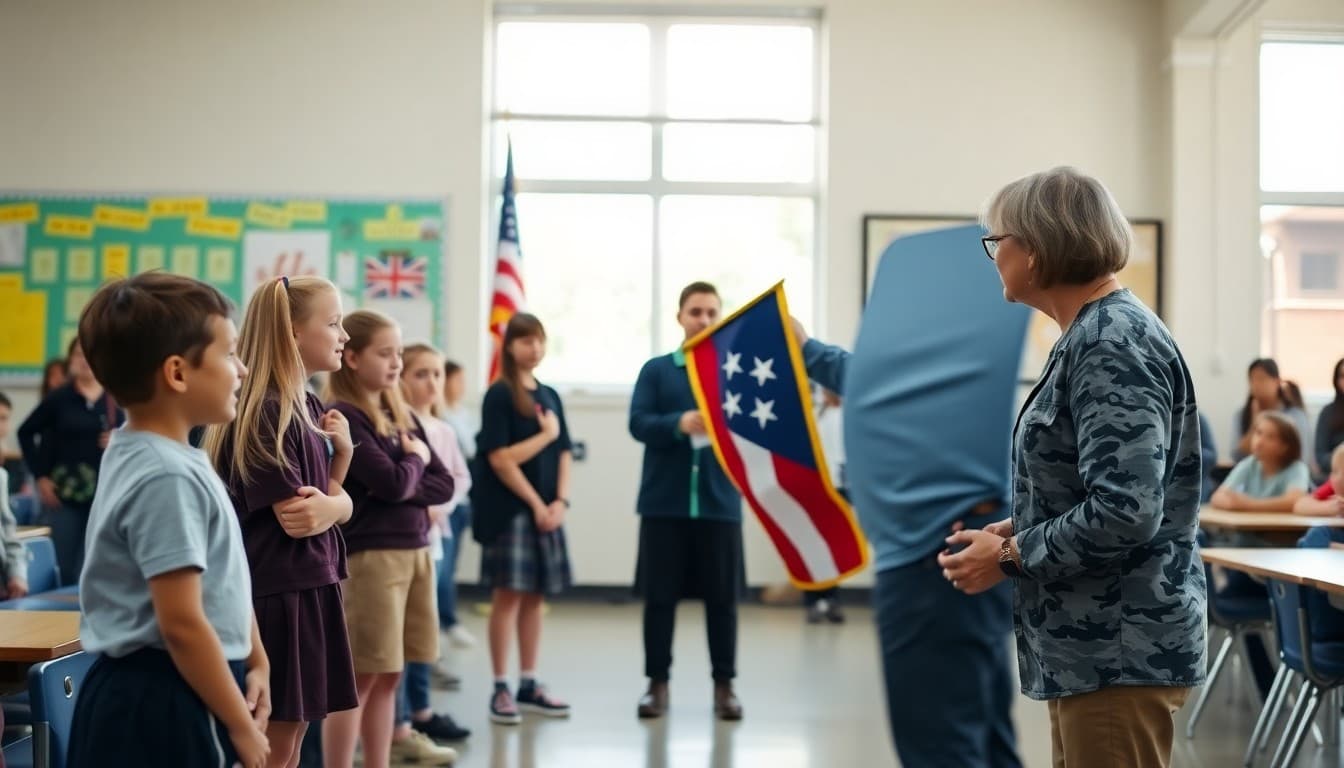
Give students and families a way to honor veteran family members during May. A brief student-written tribute to a parent or grandparent who served. A school-wide moment of recognition at a morning assembly. A designated space in the newsletter for family members to share a sentence about a veteran in their family. These small honors matter to military families and teach the broader school community about the meaning of service.
Community Resources for Military Families
List local resources specifically for military families: veteran service organizations, counseling services that specialize in military family dynamics, school liaison officers at nearby bases, and national organizations like the Military Child Education Coalition. Families who know these resources exist use them at higher rates than those who discover them through an emergency search.
What the Civilian School Community Can Do
Give non-military families one or two specific ways to show genuine support for their military-connected peers. Welcoming a new transfer student with the understanding that they have done this many times and deserve a genuine effort at connection. Learning about the experience of students with deployed parents before making assumptions about their home life. These small acts of community do not require grand gestures -- they require awareness.
Gratitude That Goes Beyond Bumper Stickers
Close with a genuine statement about what it means to support military families beyond symbolic gestures. Real support is a school counselor who checks in with a student during deployment. A teacher who adjusts an assignment deadline when a family is dealing with homecoming-transition stress. A front office that handles records transfer quickly for a family moving mid-year. These are the acts of support that military families remember and that distinguish a school community from an institution.
Get one newsletter idea every week.
Free. For teachers. No spam.
Frequently asked questions
What should this newsletter cover?
Lead with what your school is specifically doing to observe or celebrate this topic. Then connect it to family action at home, community resources, and who to contact at school for more information. Generic awareness newsletters are ignored. Specific, school-rooted newsletters get read and shared.
When should the school send it?
The week before or the first week of the relevant observance. Families need enough lead time to participate in events, prepare for activities, or have conversations with their children. A newsletter that arrives after the observance has started is contextual but misses the action window.
How do you keep it from feeling generic?
Name specific students, staff, or community members. Share a specific classroom activity in progress. Connect the theme to something real happening in the building this week. Specificity is what separates a newsletter that gets shared from one that gets archived.
Should it include community resources?
Yes, briefly. One or two relevant organizations or helplines, with contact information. Families who find a useful resource in a school newsletter develop trust in the school as a community hub, not just an educational institution.
How does Daystage help send this newsletter?
Daystage lets school staff create a clean, formatted newsletter and send it directly to all families' inboxes. You write the content, Daystage handles the formatting and delivery. Families receive it in their inbox and can reply directly to follow up.

Adi Ackerman
Author
Adi Ackerman is a former classroom teacher and curriculum writer with 8 years in K-8 schools. She writes about school communication, parent engagement, and what actually works in real classrooms.
More for Community Outreach
Ready to send your first newsletter?
3 newsletters free. No credit card. First one ready in under 5 minutes.
Get started free