
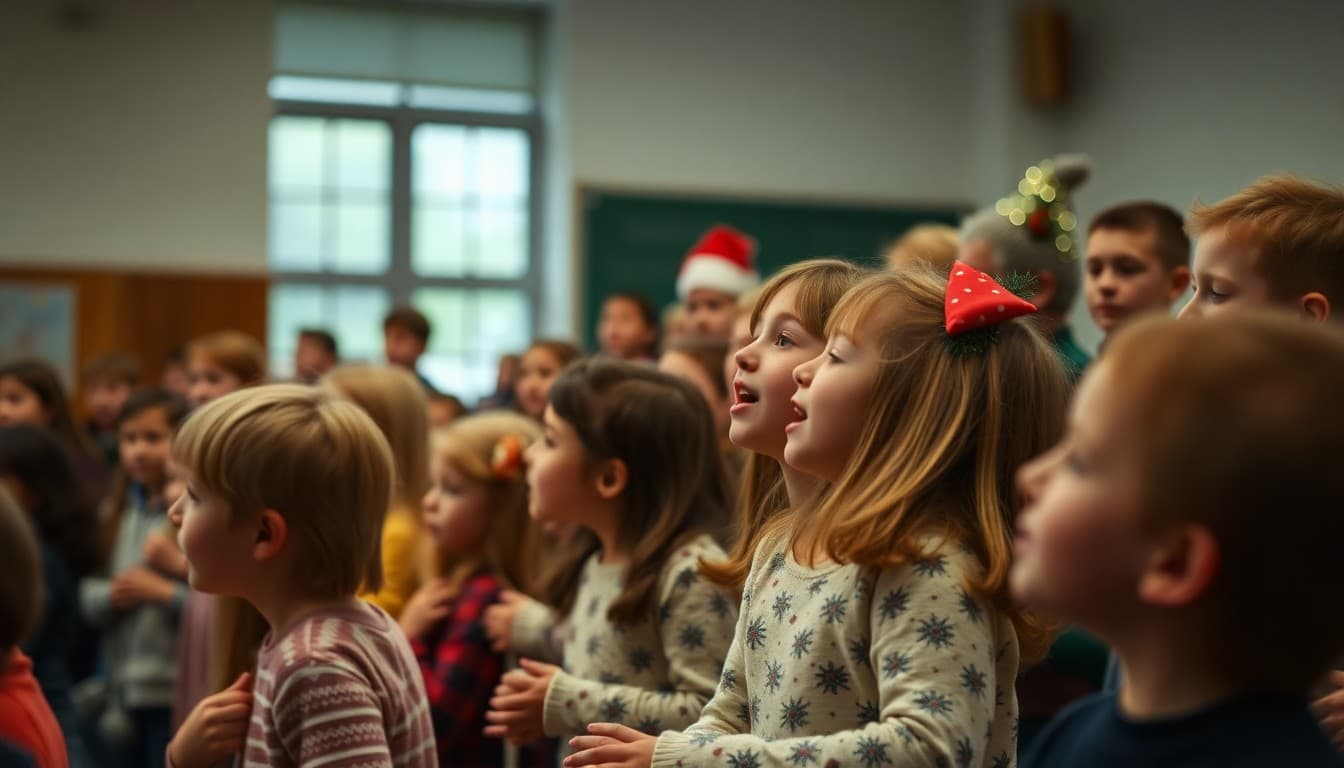
School Newsletter: Our Holiday Concert Invitation and Details
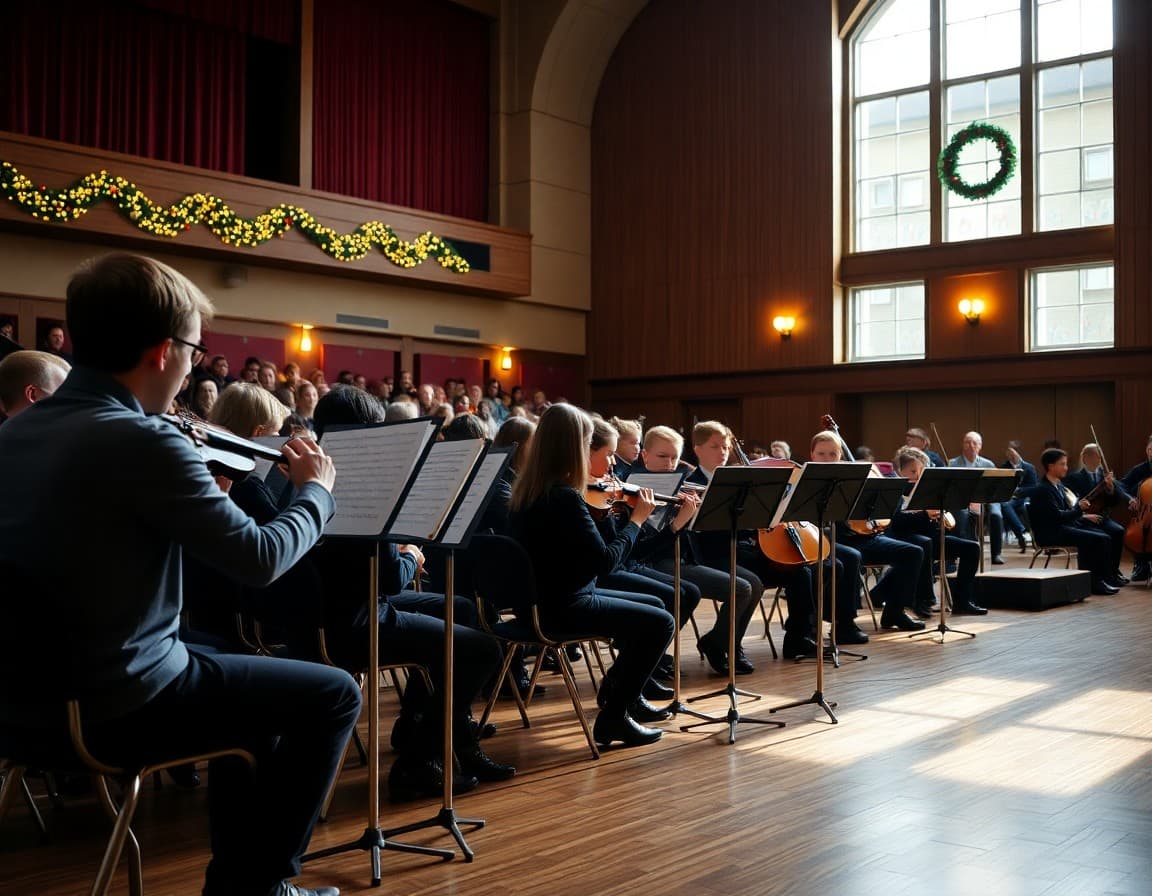
The holiday concert is one of the most attended school events of the year -- a moment when families who may not otherwise visit the school gather to watch their children perform. A well-written concert invitation newsletter gives families everything they need to attend, builds excitement for what students will perform, and sets the welcoming tone that makes first-time concert attendees want to come back.
Complete Concert Logistics
Give families everything they need to attend: date, time (doors open and performance start), location, where to park or how to access the building, whether tickets are required and how to get them, accessibility accommodations, and how long the performance will run. Families who have to make childcare arrangements, coordinate transportation, or plan around other commitments need complete information well in advance. Send the newsletter at least two weeks before the concert.
What Students Will Perform
Preview the program: which performing groups will participate, what pieces they will perform, and any highlights families should look forward to. If a specific student is performing a solo, note it with family permission. If a class wrote original songs for the performance, say so. If the concert includes multicultural music reflecting the school community, describe that too. Families who know what to expect show up engaged, not just present.
How Students Have Been Preparing
A brief description of how students have been rehearsing for this performance gives families context and builds appreciation for the work students put in. 'The fifth-grade choir has been rehearsing three days a week for six weeks.' 'The band class learned three of these pieces from scratch this semester.' Families who understand the effort behind a performance appreciate it more deeply.
Accessibility Information
State the accessibility accommodations available for the concert: accessible seating, hearing assistance, signing, or other accommodations. If families need specific accommodations, give the contact and the deadline for requesting them. Families with accessibility needs who receive clear information in advance attend in much higher numbers than those who have to ask proactively about something they are not sure the school provides.
A Note on Inclusivity
A brief note establishing that the holiday concert is designed to be welcoming to families of all backgrounds -- that the program includes diverse music traditions and is intended as a community celebration rather than a religious observance -- helps families of diverse backgrounds feel welcome to attend. Schools that communicate this thoughtfully have broader attendance and more inclusive community events.
Photography and Recording Policy
State the school's photography and recording policy for the concert. Are families permitted to photograph and record from their seats? Is there a designated recording area? Are there any restrictions on social media posting of student images? Families who know the policy before the event comply more readily than those who are corrected in the moment.
What to Do If You Cannot Attend
Note whether the concert will be recorded and how families can access the recording if they cannot attend in person. A livestream option, a recording available through the school website, or a recording distributed through Daystage after the event ensures that families who are working, traveling, or managing other commitments can still see their children perform. Missing the holiday concert should not mean missing the performance.
Get one newsletter idea every week.
Free. For teachers. No spam.
Frequently asked questions
What should this newsletter cover?
Lead with what your school is specifically doing or observing this month. Connect the theme to family action at home, name who at school to contact, and include one community resource. Specific, school-rooted content gets read. Generic awareness content gets archived.
When should it go out?
The week before or the first week of the relevant observance. Families need lead time to participate in events, prepare for activities, or have conversations with their children. A newsletter that arrives after the observance has started is contextual but misses the action window.
How do you make it feel personal rather than institutional?
Name specific students, staff, or community members. Share a classroom activity in progress. Include a direct quote from a teacher, counselor, or student. Specificity is what makes a school newsletter feel like it comes from people who care, not from a template.
How does Daystage help with this newsletter?
Daystage lets school staff create a clean, formatted newsletter and send it to all families' inboxes in minutes. Templates can be reused each year for recurring observances. Families receive the newsletter directly in their email and can reply to ask questions.
Should it include community resources?
Yes, briefly. One or two relevant organizations or helplines make the newsletter useful beyond school hours. Families who find a practical resource in a school newsletter develop trust in the school as a community hub, not just an educational institution.

Adi Ackerman
Author
Adi Ackerman is a former classroom teacher and curriculum writer with 8 years in K-8 schools. She writes about school communication, parent engagement, and what actually works in real classrooms.
More for Community Outreach
Ready to send your first newsletter?
3 newsletters free. No credit card. First one ready in under 5 minutes.
Get started free