
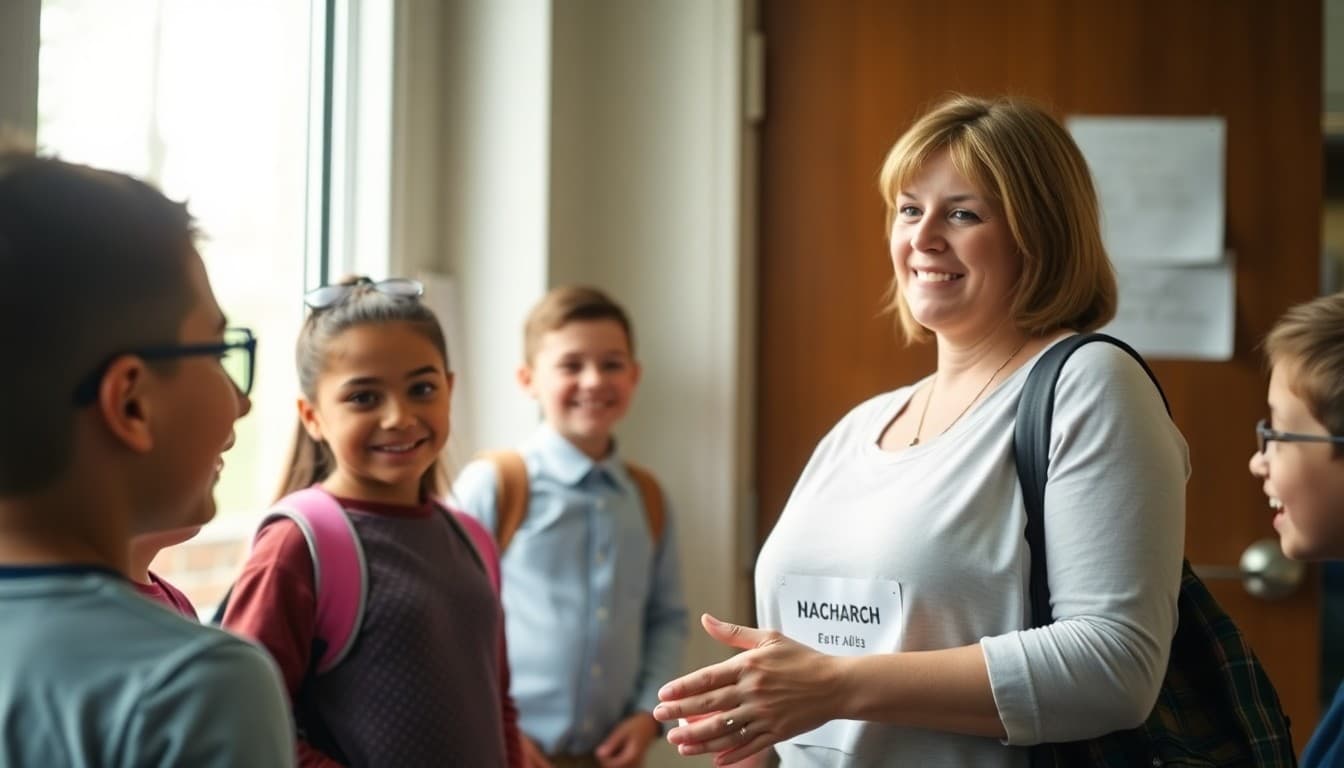
School Newsletter: Back to School and First Month Highlights
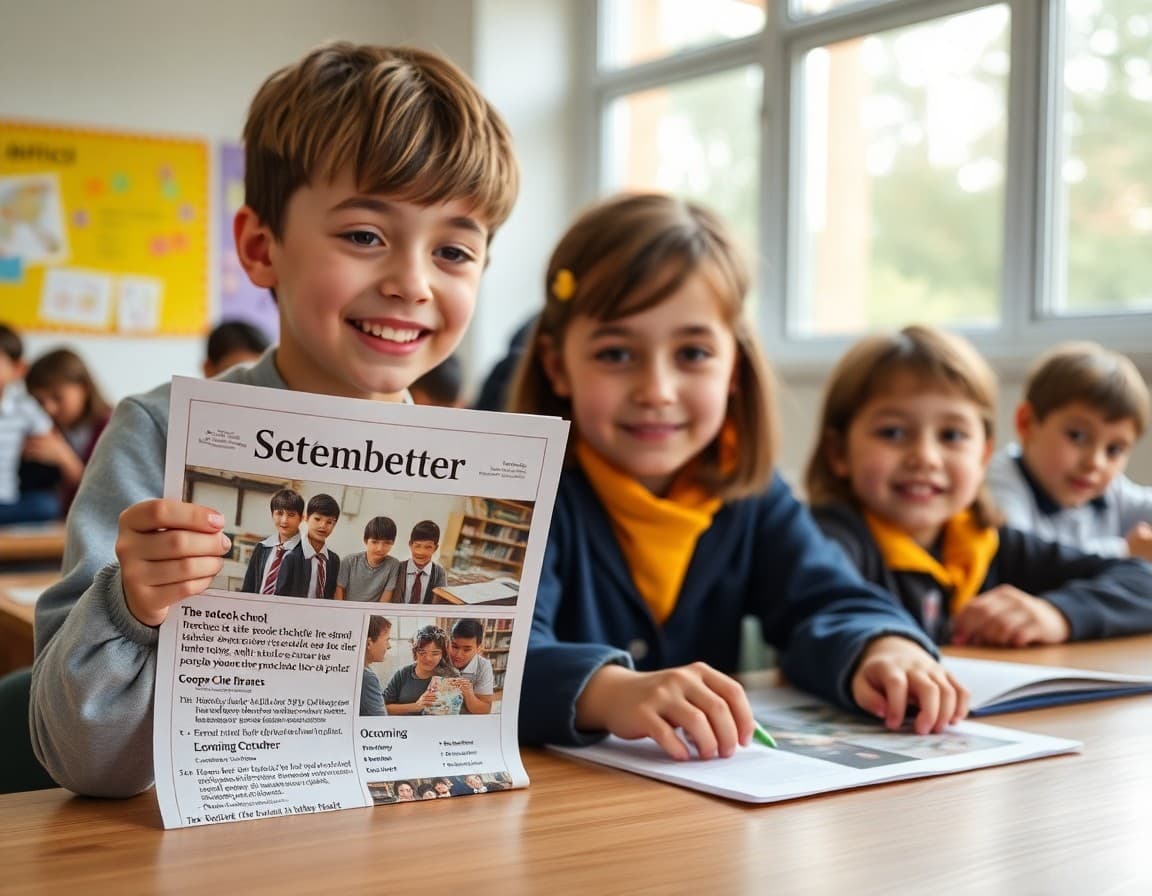
The first full September newsletter is more than a logistics update -- it is the first real impression families get of what communication from this school will feel like for the year. A newsletter that opens with genuine warmth, reflects specifically on the first weeks of school, and gives families a clear view of October builds the trust that makes every future newsletter more effective.
A Genuine First-Week Reflection
Open with something specific and real from the first weeks of school. Not 'we are so excited to have everyone back' -- something observed and personal. 'The first week told us a lot about this community: students arrived ready to work, asked great questions on day three, and were already supporting each other by Friday.' That kind of specific, observed reflection makes the newsletter feel like it comes from people who are paying attention, not from a communications template.
What Every Grade Level Is Working On
A brief, plain-language summary of what each grade is focused on in the first month gives families a way to ask specific questions at dinner. Not curriculum standards -- actual activities. 'Third grade is building their independent reading stamina and choosing their first chapter books of the year. Fifth grade started a community mapping project.' Specific descriptions connect school learning to home conversation.
Key October Events to Mark Now
List every parent-facing October event with complete information: parent-teacher conferences, curriculum night, fall picture day, Halloween events, any field trips. Families who receive the full October calendar in the September newsletter can plan around it. This is the most action-generating section of any September newsletter -- give it appropriate emphasis.
Community Building in the First Month
Describe the community-building work happening in the first month: classroom community meetings, advisory periods, first-month goal-setting, any school-wide community rituals that begin in September. Families who understand that the school intentionally builds community -- not just curriculum -- trust the school's investment in their children's social development as well as their academic progress.
Parent Involvement Opportunities
The September newsletter is the right place for the first parent involvement ask of the year. Name two or three specific volunteer opportunities with dates, times, and time commitments. Include the parent interest form link if you sent one earlier. September involvement recruitment consistently produces more committed volunteers than October recruitment, because families are still in the enthusiastic early-year mindset.
Connecting Families to Information Channels
Remind families of all the communication channels the school uses: weekly newsletters, the school website, the parent portal, the school social media pages. Note how to subscribe or access each one. Families who are connected to multiple channels stay informed even when they miss a specific newsletter. A brief communication guide in September sets the whole-year information infrastructure.
An Invitation to Be Part of This Year
Close with a genuine invitation to families to be part of the school community this year -- not just recipients of communications but active participants. Name one upcoming opportunity where family presence will make a visible difference: the first PTA meeting, a volunteer event, a curriculum night. A specific invitation at the close of the first full newsletter plants the seed of involvement that grows through the year.
Get one newsletter idea every week.
Free. For teachers. No spam.
Frequently asked questions
What should this newsletter cover?
Lead with what your school is specifically doing this month or week. Connect it to family action at home, community resources, and a direct contact for more information. Specificity is what makes a newsletter useful rather than forgettable.
When should the school send it?
The week before or the first week of the observance. Families need lead time to participate in events or prepare for activities. A newsletter that arrives after the observance started is contextual but misses the participation window.
How do you keep this newsletter from feeling generic?
Connect the theme to something specific happening in your school building this week. A classroom activity in progress. A community partner the school is working with. A specific student or staff member doing something worth recognizing. Specificity drives readership and sharing.
Should it include community resources?
Yes, briefly. One or two relevant organizations, helplines, or local resources. Families who find a useful resource in a school newsletter trust the school as a community hub, not just an educational institution.
How does Daystage support this newsletter?
Daystage lets school staff create and send a formatted newsletter directly to every family's inbox. You write the content, Daystage handles formatting and delivery. Templates can be reused and adapted each year for recurring observances.

Adi Ackerman
Author
Adi Ackerman is a former classroom teacher and curriculum writer with 8 years in K-8 schools. She writes about school communication, parent engagement, and what actually works in real classrooms.
More for Community Outreach
Ready to send your first newsletter?
3 newsletters free. No credit card. First one ready in under 5 minutes.
Get started free