

Community Schools Coordinator Newsletter: Whole Child Support
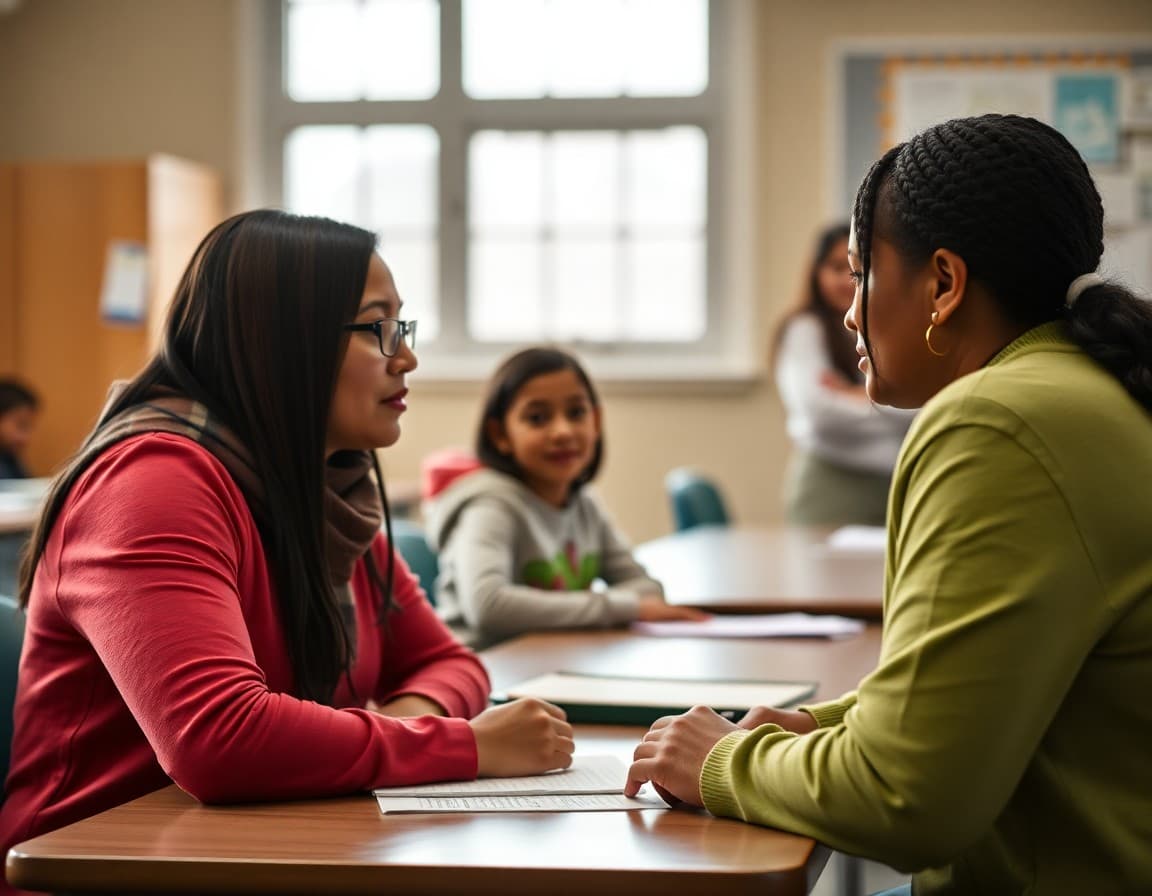
A community schools coordinator sits at the intersection of everything a school offers beyond the classroom: health services, mental health support, food programs, family counseling, housing referrals, and after-school enrichment. Communicating all of that in a newsletter that families actually read and act on is a distinct skill. It requires organizing complex information clearly, writing for families with limited time, and making each service feel specific and accessible rather than overwhelming.
Lead with the most pressing need, not the longest list
Community schools newsletters that try to cover every available service in one issue produce walls of text that most families skip. Instead, lead with the one or two services that address the most urgent need in the building right now. If flu season is starting, lead with the health clinic's vaccination schedule. If holiday food insecurity is coming, lead with the food pantry sign-up. Feature everything else more briefly below, and refer families to the coordinator's contact for a full list of what is available.
Give every service a specific entry point
The most common failure in community schools newsletters is describing a service without explaining how to access it. "Mental health support is available for students" is not actionable. "To connect your child with counseling support, contact Ms. Rivera, our school-based counselor from Community Behavioral Health, at [number] or ask any teacher to make a referral" is actionable. Every service named in the newsletter should include a named contact, a phone number or referral method, and the days it is available. That specificity converts awareness into actual service access.
Separate services for students from services for families
Community schools serve both students and the adults in their households. A newsletter that clearly distinguishes between "services for your child" and "services for you as a parent or caregiver" helps families find relevant information quickly. Mixing student mental health referrals with parent ESL class enrollment and housing assistance in a single undivided list makes all three harder to find. A simple two-column or two-section layout solves this.
Report what the community school accomplished last month
Families who see data about service uptake trust the coordinator's work and become more likely to refer others. A one-paragraph recap like "In September, 23 students received dental screenings, 11 families connected with the food pantry, and 8 parents completed the ESL orientation" makes the program's impact visible without sharing any individual's information. It also builds the case for continued investment in community schools staffing and services.
Include the coordinator's direct contact prominently
The coordinator is the human entry point for every service the community school offers. The newsletter should make that contact impossible to miss. Not buried in a footer. Not listed with eight other email addresses. A clear, named block: "Questions? Contact [Name], Community Schools Coordinator, at [phone] or [email]. I am available Monday through Friday, 7:30 AM to 4:00 PM." Families who know exactly who to call are far more likely to actually call than families who must figure out the right entry point on their own.
A monthly structure that works across the year
A consistent newsletter structure reduces production time and helps families know what to expect each month. Consider this framework: opening service spotlight with full access information, brief data recap from last month, upcoming events and registration deadlines, new partner or program introduction, and a family story or quote with permission. That structure works for September health fairs, December food drives, and March mental health awareness months alike.
Make the newsletter a bridge, not a broadcast
The most effective community schools newsletters feel like a conversation with a knowledgeable neighbor rather than an official announcement. That means writing in first person from the coordinator, acknowledging the challenges families face, and framing every service as a resource rather than a program requirement. "We know this time of year can be stressful, so here is a reminder that our school social worker can meet with any family who needs support" lands differently than "Social work services are available to qualifying students."
Survey families twice a year
The best way to ensure the community schools newsletter covers what families need is to ask families what they need. A short survey in September and February that takes three minutes to complete, embedded in the newsletter itself, tells the coordinator which services are most wanted, which are unknown, and which families are willing to volunteer time or skills. Daystage makes it straightforward to embed a form directly in the newsletter so families can respond without leaving the email.
Get one newsletter idea every week.
Free. For teachers. No spam.
Frequently asked questions
What is a community schools coordinator?
A community schools coordinator manages the partnerships, programs, and services that make a school function as a community hub. They oversee relationships with agencies that provide mental health, health, housing, nutrition, and family support services on or through the school. They coordinate schedules, track service uptake, report to school leadership, and communicate with families about what is available and how to access it.
How often should a community schools coordinator send a newsletter?
Monthly newsletters work well for most community schools coordinators because the service landscape changes regularly. New programs start, partners rotate in and out, eligibility criteria change, and referral processes get updated. A monthly cadence keeps families and staff informed without overwhelming them. For time-sensitive announcements, a short standalone message in addition to the monthly newsletter is appropriate.
What makes a community schools newsletter effective?
Specificity about what services are available, who is eligible, and how to access them. Families cannot use services they do not know about, but they also cannot use services where the newsletter does not explain how to connect. Every service mentioned should include a named contact, a phone number or referral process, and the days or hours of availability.
How do you measure whether a community schools newsletter is working?
Track newsletter open rates, service referral counts before and after launches, family survey responses about awareness of services, and direct family feedback. If families report they did not know a service was available, that is a communication problem. If referral counts increase after a newsletter mentions a specific service, that is a signal the communication is working.
How does Daystage support community schools coordinator communication?
Daystage allows community schools coordinators to build monthly service update newsletters with embedded contact cards for each partner agency, multilingual delivery, and event calendars. The platform's read-receipt tracking tells the coordinator which families saw the newsletter, enabling follow-up with those who may need a more direct outreach to connect with services.

Adi Ackerman
Author
Adi Ackerman is a former classroom teacher and curriculum writer with 8 years in K-8 schools. She writes about school communication, parent engagement, and what actually works in real classrooms.
More for Community Outreach
Community Resource Fair School Newsletter: Free Help Available
Community Outreach · 6 min read
Community Coalition School Newsletter: Working Together
Community Outreach · 6 min read
Community Advisory Board Newsletter: Communicating the Work of Your School's Advisory Council
Community Outreach · 5 min read
Ready to send your first newsletter?
3 newsletters free. No credit card. First one ready in under 5 minutes.
Get started free