
Community Coalition School Newsletter: Working Together

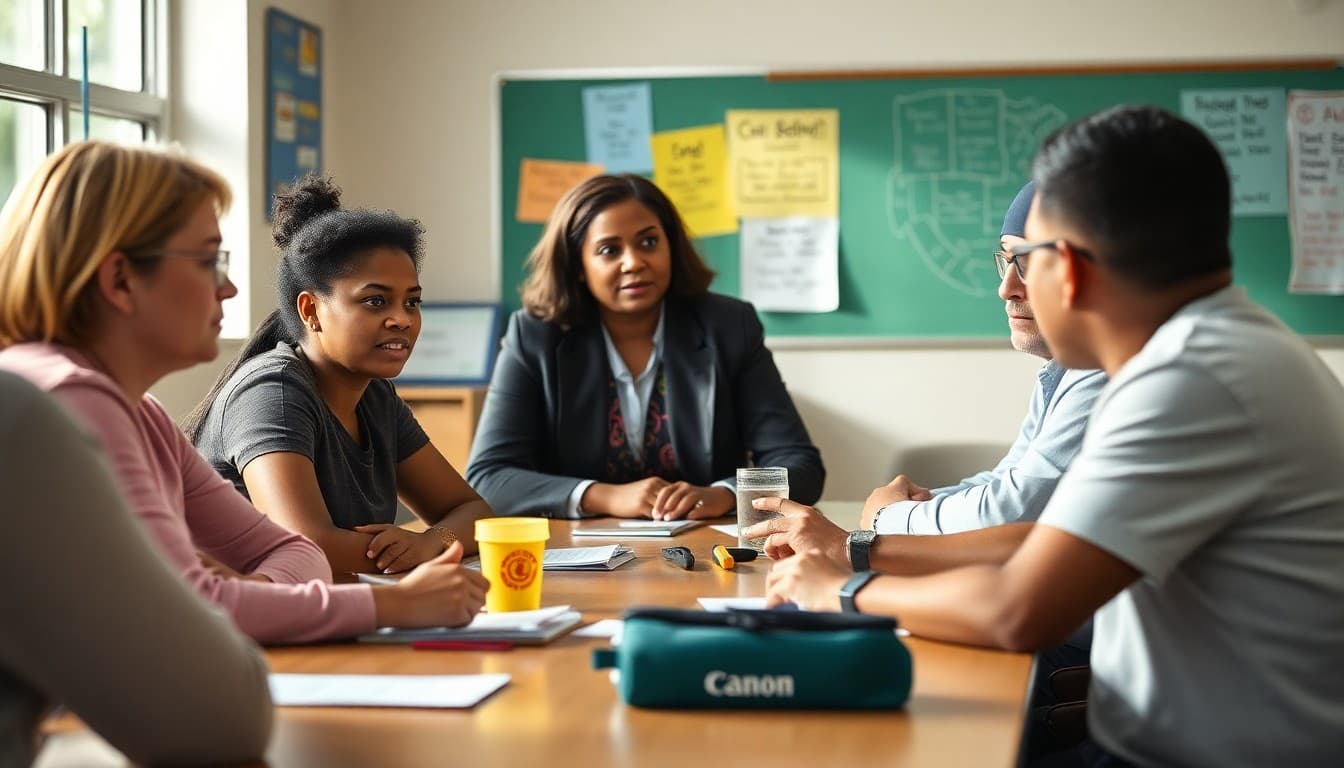
A community coalition is only as strong as its communication. Schools that form coalitions with agencies, businesses, and community members but do not communicate consistently about the coalition's work find that participation fades and energy dissipates between meetings. A coalition newsletter keeps every stakeholder oriented to the shared mission, informed about what was decided, and ready to contribute at the next opportunity.
Open with the shared goal, every time
Coalition newsletters that open with a meeting recap or a list of upcoming dates skip the most important element: the reason the coalition exists. Every issue should open with a brief reminder of the coalition's shared goal, for example, reducing chronic absenteeism among K-3 students at Lincoln Elementary by 15 percent this year. That anchor keeps every piece of content that follows in context and reminds readers why the coalition's work matters.
Report decisions, not just discussions
Coalition members attend meetings where decisions are made, but families and agency staff who are not in the room need to know what was actually decided. The newsletter is not a meeting transcript. It should state clearly what the coalition agreed to do, who is responsible, and what the timeline is. A coalition that decided to launch a family attendance campaign in October, led by the school social worker and two community health workers from the county health department, should communicate exactly that in the post-meeting newsletter.
Show the data the coalition is using
Coalitions build credibility when the broader school community can see that decisions are grounded in real data. Share the relevant metrics: attendance rates by grade level, suspension counts by quarter, family survey results, food insecurity rates from the district needs assessment. Families and partners who see the data trust the coalition's priorities more than those who only hear about the coalition's conclusions. A one-paragraph data summary per issue is usually enough.
Name the partners and what they contribute
Families who receive a coalition newsletter may not know who the community partners are or what they do. A brief partner spotlight in each issue builds awareness and reinforces that the school is not working alone. For example: "Our partner this month is the county mental health department. Their school-based counselor is on campus every Tuesday and Thursday. If your child needs a referral, contact the school social worker." That one paragraph connects families to a resource they may not have known existed.
Invite participation at every level
Coalition newsletters should include a clear call for participation, whether that is attending the next meeting, joining a subcommittee, completing a survey, or simply sharing the newsletter with a neighbor. Not every family can commit to full coalition membership, but many can contribute at a smaller scale if asked. Make the action clear, specific, and easy. "Complete this 3-minute survey about after-school needs" beats "tell us what you think."
Template: a coalition newsletter that builds trust
A structure that works across coalition types:
Section 1: Our shared goal and why it matters this month.
Section 2: What happened at the last meeting (decisions + next steps).
Section 3: Data update -- one metric and what it tells us.
Section 4: Partner spotlight.
Section 5: Upcoming meeting date and how to join.
Section 6: One specific action families can take.
Celebrate progress without overstating it
Coalition newsletters sometimes overclaim progress in an effort to generate enthusiasm, which backfires when families notice the actual numbers have not moved. Report progress honestly: "Attendance in grades K-2 improved from 84 percent to 87 percent this quarter. We are still short of our 91 percent goal, but the trend is moving in the right direction." Honest reporting builds more sustained community trust than cheerful spin.
Close the loop at year end
At the end of the school year, send a final coalition newsletter that reviews what the coalition accomplished, what it did not finish, and what the plan is for the following year. This accountability to the broader community is what distinguishes effective coalitions from those that operate in the background without producing visible results. It is also a natural recruitment moment for new members who want to join a coalition with a real track record.
Get one newsletter idea every week.
Free. For teachers. No spam.
Frequently asked questions
What is a community coalition in a school context?
A school community coalition is a group of stakeholders that includes school staff, parents, local agency representatives, business partners, and community members who work together on a shared set of school improvement goals. Coalitions typically meet on a regular schedule, operate with agreed-upon norms, and take on specific work like needs assessment, resource coordination, or policy advocacy.
Who should receive a community coalition newsletter?
The newsletter should go to all coalition members, school staff, and families who may want to engage with or learn from the coalition's work. A broader distribution keeps the school community informed about decisions that affect students even when they cannot attend meetings, and it builds trust that the coalition is doing real work rather than meeting in isolation.
How often should a school send a coalition newsletter?
Quarterly newsletters work well for most coalitions, aligned to the cadence of coalition meetings and milestone events. If the coalition is in an active phase with more frequent meetings or urgent decisions, monthly updates may be appropriate. The goal is consistency, not volume.
What should a community coalition newsletter cover?
Each issue should recap recent meeting discussions and decisions, describe the current focus area and why it was chosen, share any data or research the coalition is using, note upcoming meeting dates and how to join, and celebrate any outcomes or progress since the last issue. It should feel like a progress report, not a press release.
How does Daystage support community coalition communication?
Daystage lets school community liaison staff build coalition newsletters with embedded calendar links, agency contact directories, and multilingual versions. The platform's analytics show which sections of the newsletter families and partners read most, which helps the coalition communicate more effectively over time.

Adi Ackerman
Author
Adi Ackerman is a former classroom teacher and curriculum writer with 8 years in K-8 schools. She writes about school communication, parent engagement, and what actually works in real classrooms.
More for Community Outreach
Community Advisory Board Newsletter: Communicating the Work of Your School's Advisory Council
Community Outreach · 5 min read
Community Resource Fair School Newsletter: Free Help Available
Community Outreach · 6 min read
Business Partnership Newsletter: How Schools Can Engage Local Businesses as Educational Partners
Community Outreach · 6 min read
Ready to send your first newsletter?
3 newsletters free. No credit card. First one ready in under 5 minutes.
Get started free