
How to Write a Watershed Unit Newsletter to Families
Watershed unit newsletters have a built-in local relevance that most curriculum units cannot match. Every family lives in a watershed and the water they use, the rain that falls on their street, and the storm drain at the corner of their block are all part of a connected water system their student is now studying. A newsletter that makes this connection explicit turns an abstract science unit into something families can observe from their own front door.
Define the watershed concept clearly
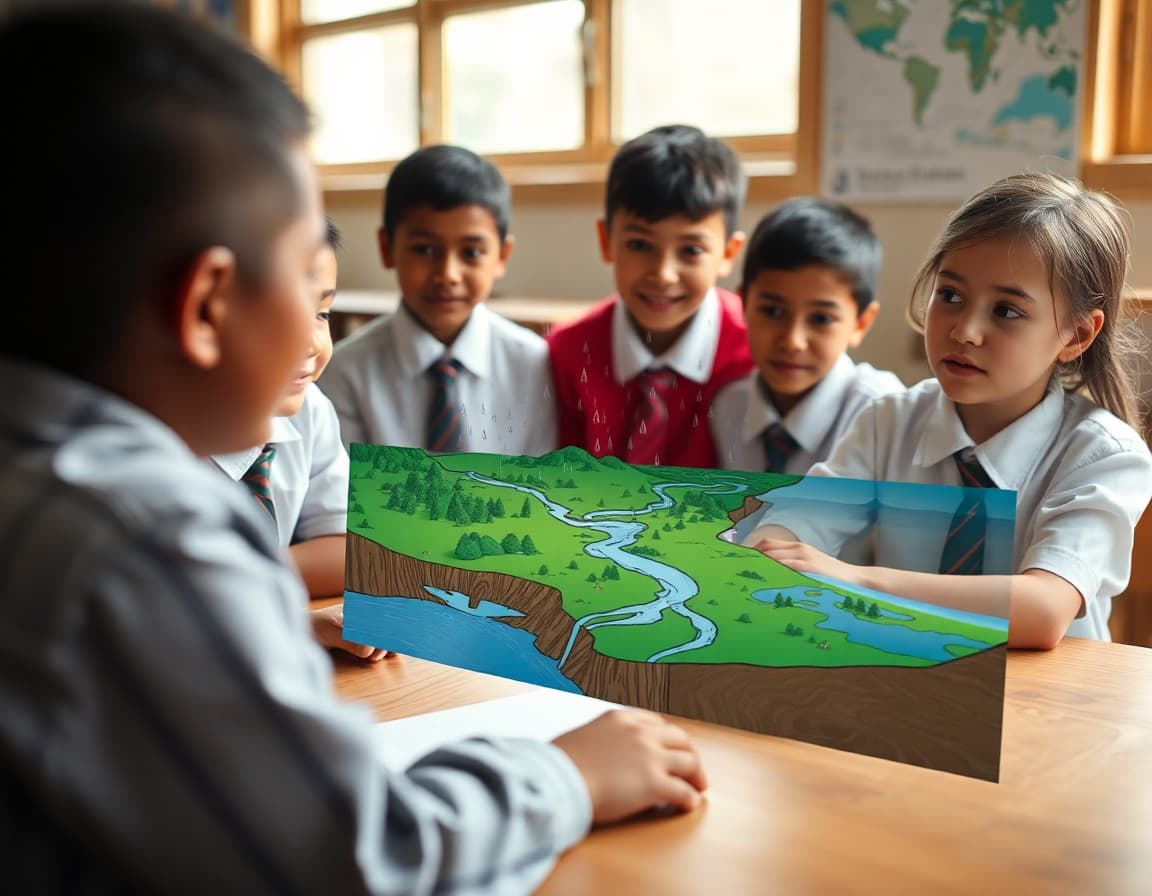
Start by explaining what a watershed actually is. A watershed is all the land that drains into a single body of water. Rain that falls anywhere in the watershed eventually makes its way to the same river, lake, or bay. The ridgelines, hills, and terrain of the land determine the watershed boundaries. What happens on the land, what fertilizers people use, how much pavement covers the soil, what goes into storm drains, affects the water at the bottom of the system.
Connect to the local watershed specifically
Name the specific watershed your school and families live in. Most families have never thought about which watershed their neighborhood drains into, and naming it makes the unit immediately more concrete. Noting which local river, lake, or bay that watershed drains toward gives families a reference point they recognize. Students who know which watershed they live in see their neighborhood differently.
Explain the science curriculum connections
Watershed units address multiple science standards at once. The water cycle including precipitation, evaporation, runoff, and groundwater recharge. Ecosystems and the biodiversity that depends on healthy water systems. Human impact on the environment through point source and nonpoint source pollution. Earth's systems and how land, water, and living things interact. Families who see these curriculum connections understand why the unit deserves serious attention.
Explain what students are investigating
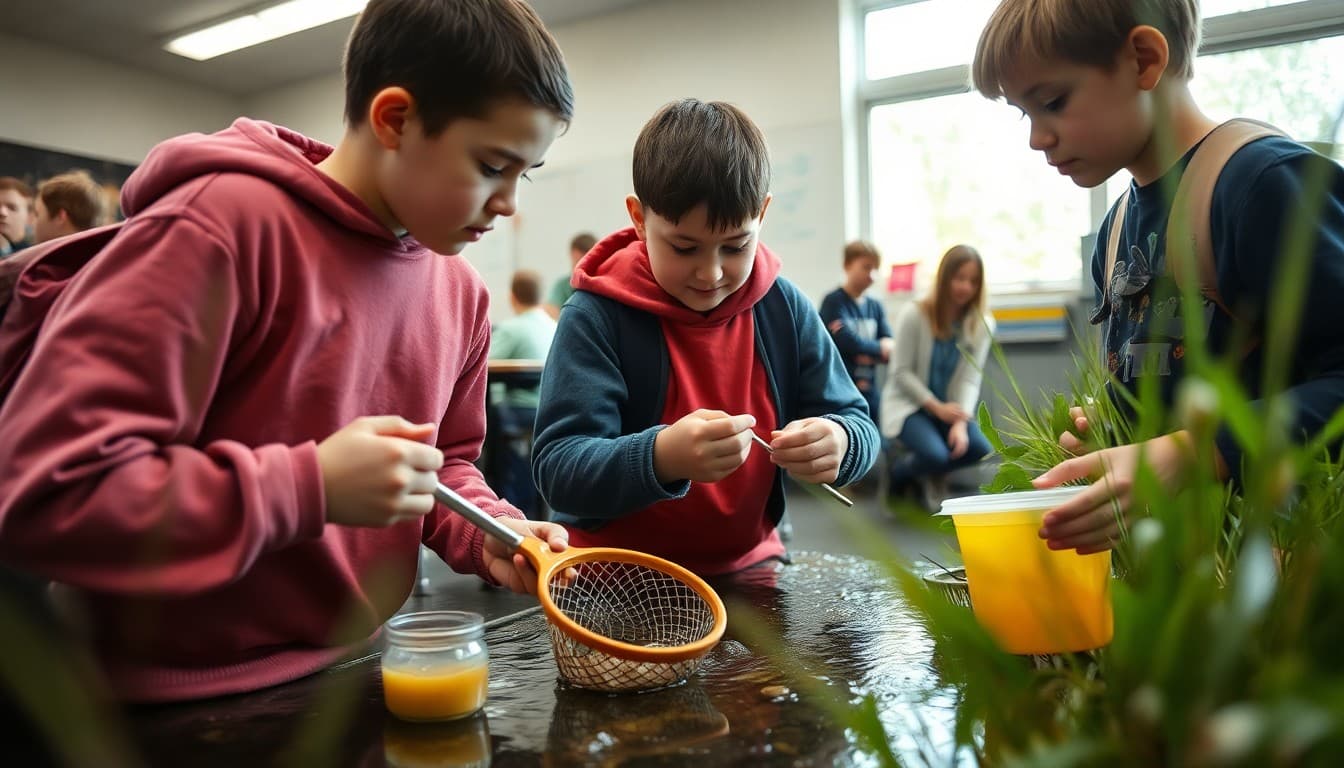
Tell families the specific questions students are exploring. Are they mapping the local watershed? Testing water quality indicators in a local water source? Studying how different land uses affect runoff? Tracking macroinvertebrate populations as indicators of water health? The specific investigation gives families a picture of what their student is doing and provides concrete topics to ask about at the dinner table.
Describe the neighborhood as a field site
One of the most powerful aspects of a watershed unit is that the field site is everywhere. Suggest that families observe what happens to rain in their neighborhood on the next rainy day. Where does water pool? Where does it run off? Where do storm drains empty? Are the drains labeled with where they drain? A ten-minute walk during or after rain is a watershed investigation that directly mirrors what students are doing in class.
Connect to conservation actions families can take
Watershed units naturally lead to the question of what people can do. Your newsletter can name specific watershed-friendly practices: not applying lawn fertilizer before rain, keeping yard waste out of storm drains, washing cars on grass rather than pavement, picking up litter near drainage areas. Students who study the science and come home to a family taking action experience the unit as something that actually changes the world they live in.
Share the culminating project or presentation
Tell families how the unit concludes. A watershed map presentation, a water quality report, a community action proposal, or a local ecosystem health assessment. Students who know their work will be shared with a real audience invest more in the accuracy and depth of their investigation. Families who receive that presentation feel connected to the scientific work their student has done.
Daystage makes it easy to send a watershed unit newsletter with local connections and conservation action steps so families and students explore the water systems around them through the same scientific lens they are developing in class.
Get one newsletter idea every week.
Free. For teachers. No spam.
Frequently asked questions
What is a watershed and why does it matter to study?
A watershed is the area of land that drains into a particular body of water, whether a river, lake, or ocean. Everything that happens on the land in a watershed affects the water quality downstream. Understanding watersheds connects students to their local environment and the way human activity affects water systems at a regional scale.
What science standards does a watershed unit address?
Watershed units typically address earth science standards related to the water cycle, ecosystems and biodiversity, human impacts on the environment, and Earth's systems and their interactions. They often also incorporate data collection, graphing, and scientific measurement from the math and science crosscutting concepts.
How can families connect watershed learning to their neighborhood?
Looking at what happens to rain where it falls on the sidewalk, road, or lawn and tracing where that water goes is a direct watershed observation. Families can look for stormwater drains and notice whether they are labeled with where they drain. Many local municipalities post watershed maps online that families and students can look at together.
What human activities affect local watershed health?
Fertilizer and pesticide use on lawns, motor oil from driveways, litter near storm drains, impervious surfaces like parking lots that increase runoff, and construction that disrupts soil stability all affect local watersheds. Students studying a watershed unit often come home with specific observations about things they see in their neighborhood.
What tool helps teachers communicate about watershed units?
Daystage makes it easy to send a watershed unit newsletter with local water quality connections and family action steps so students and families explore their local environment through the same scientific lens they are developing in class.

Adi Ackerman
Author
Adi Ackerman is a former classroom teacher and curriculum writer with 8 years in K-8 schools. She writes about school communication, parent engagement, and what actually works in real classrooms.
More for Classroom Teachers
Ready to send your first newsletter?
3 newsletters free. No credit card. First one ready in under 5 minutes.
Get started free