
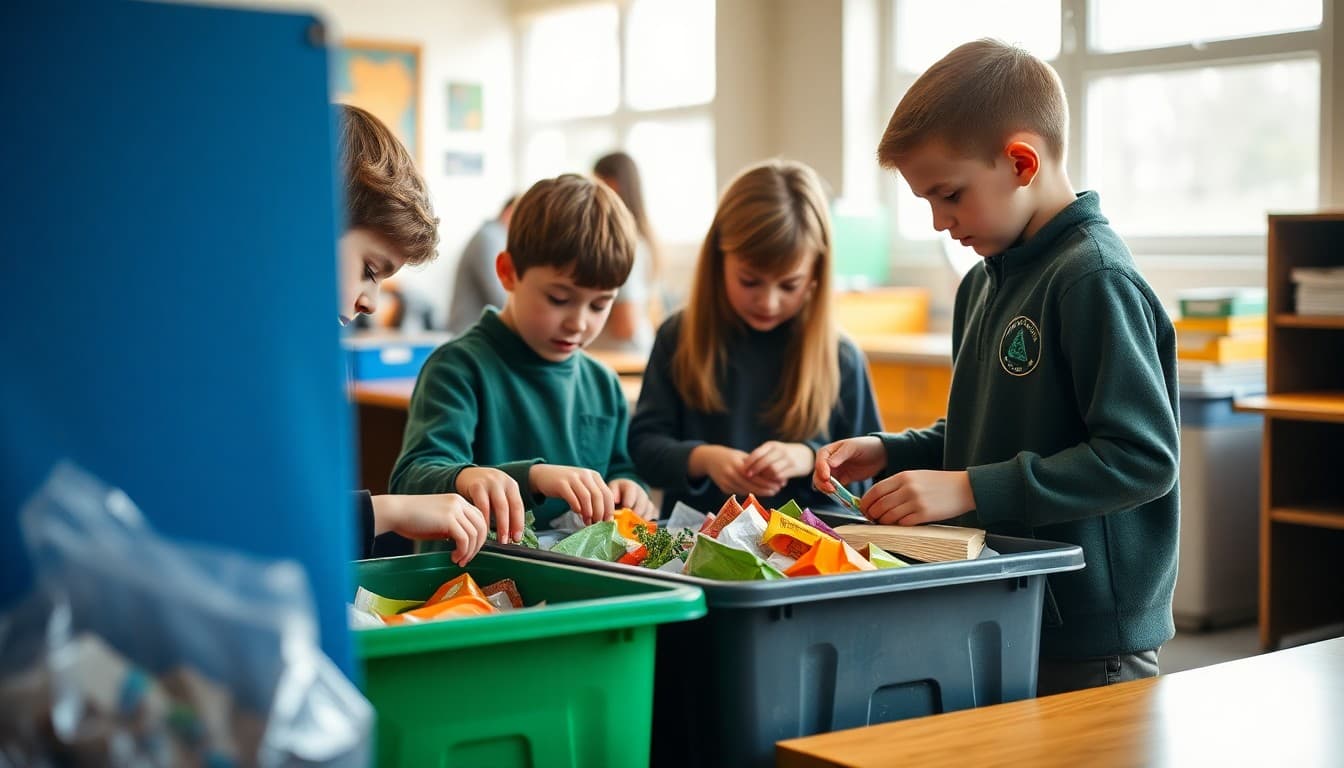
How to Write a Recycling Unit Newsletter to Families
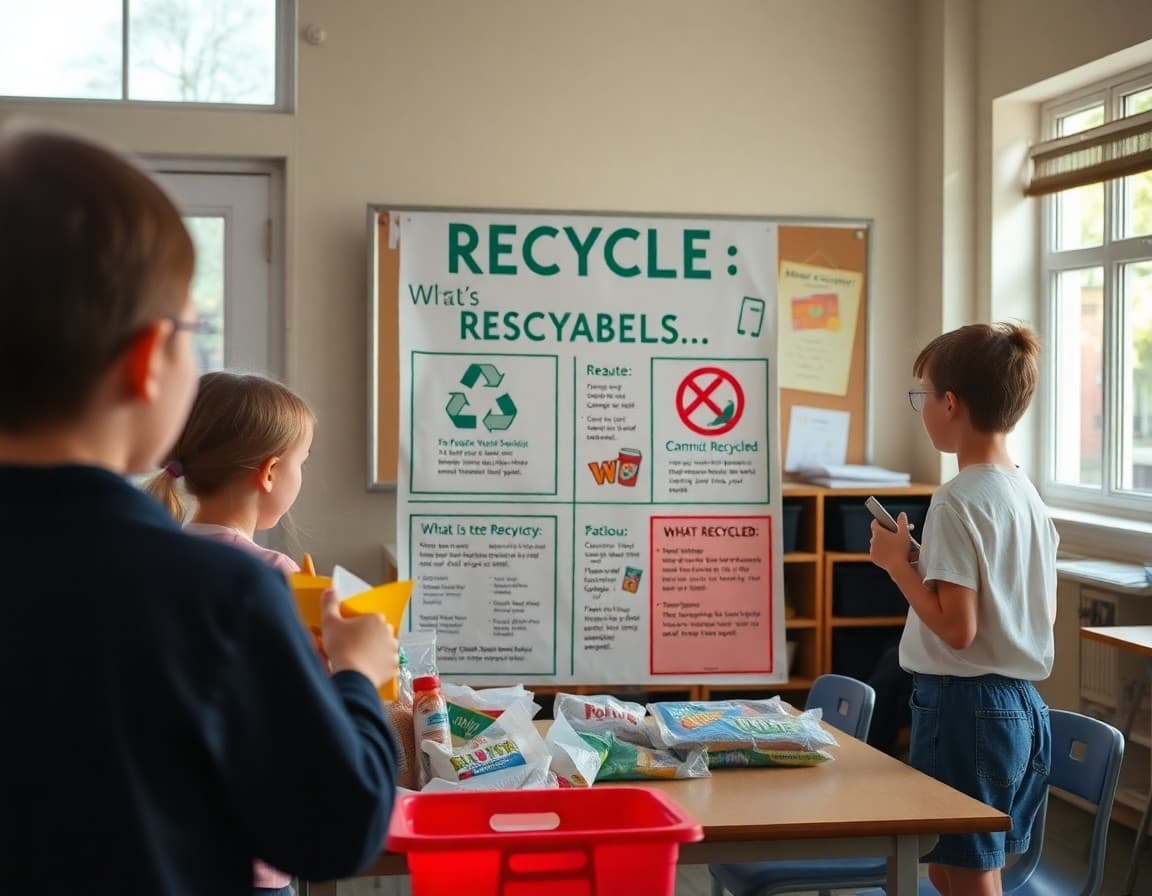
Recycling unit newsletters have a specific opportunity that most curriculum communication does not: they can produce real behavior change in families. A student who comes home having learned the science of material cycles and the specifics of how recycling systems work can change how their household handles waste. A newsletter that equips families to act on what their student learned transforms the unit from school knowledge to family practice.
Connect to the science first
Start with the environmental science that underpins the unit. Matter cycles in ecosystems. How materials decompose at different rates. The energy cost of producing new materials versus processing recycled ones. The impact of waste on ecosystems. Students who understand the science behind recycling make different choices than students who only know the rule "paper goes in the blue bin." Help families understand the scientific framework the unit is building.
Explain how recycling systems actually work
Many families have a vague understanding of recycling as a magic system where putting something in the right bin makes it disappear into beneficial new products. The reality is more complex and more interesting. Material sorting, contamination problems, market economics for recyclable materials, the difference between mechanical and chemical recycling. Students who understand the system rather than just the rule are more motivated and more accurate recyclers.
Share your local recycling guidelines specifically
This is genuinely useful information that many families do not have. Recycling guidelines vary enormously by municipality and what is recyclable in one city is often contamination in another. Your newsletter can note your specific local guidelines and direct families to the source for complete information. This is more valuable than generic recycling advice that may not apply to your community.
Explain wishful recycling
The concept of wishful recycling, where families throw items in the recycling bin hoping they are recyclable, is something many families engage in without knowing it is problematic. Contaminated recycling loads can result in entire batches being landfilled. Helping families understand this counterintuitive fact makes them more careful and more effective recyclers.
Suggest a home waste audit activity
A family waste audit is one of the most impactful environmental education activities available. For one day or one week, collect all household waste and categorize it: recyclable, compostable, and trash. What percentage of what the family throws away could have been recycled or composted? The data from a family waste audit makes the abstract concept of waste very concrete and often motivates real behavior change.
Introduce composting as an extension
Composting is a natural extension of a recycling unit because it addresses the large fraction of household waste that is organic. Note that composting ranges from highly involved backyard systems to simple countertop food scrap collection for municipal compost programs. Any level of engagement with composting reinforces the material cycles science students are studying.
Connect to the broader systems thinking
Close your newsletter with the big picture. Individual actions matter, but the recycling unit is also developing systems thinking: the ability to see how individual actions connect to larger material, economic, and ecological systems. This is one of the most important cognitive skills students can develop for addressing environmental challenges at any scale.
Daystage makes it easy to send a recycling unit newsletter with specific, local action steps alongside the science content so families experience their student's learning as directly relevant to the way their household operates.
Get one newsletter idea every week.
Free. For teachers. No spam.
Frequently asked questions
What should a recycling unit newsletter include?
The unit learning goals and curriculum connections, what students are investigating about waste and recycling systems, how recycling actually works from collection to processing, local recycling guidelines that may differ from general knowledge, and specific ways families can change or reinforce their home recycling habits.
How do I connect the recycling unit to science standards?
Recycling connects to matter and energy transformations, material properties, ecosystems and waste cycles, human impact on the environment, and the science of decomposition and material breakdown. Most science standards include environmental science components that a recycling unit directly addresses.
How can families extend recycling learning at home?
Doing a one-week waste audit where the family tracks what they throw away and what could have been recycled or composted. Looking up your local municipality's specific recycling guidelines together (they vary significantly). Starting a composting bin. Reducing single-use items. These are tangible actions connected to what students are learning.
How do I address recycling misinformation in my newsletter?
Acknowledge that recycling guidelines are often confusing and that what is accepted varies significantly by location. Note that wishful recycling (throwing things in the recycling bin hoping they are recyclable) can actually contaminate loads and reduce the effectiveness of recycling programs. Your newsletter can share your local guidelines as an antidote to general but inaccurate recycling advice.
What tool helps teachers communicate about environmental units?
Daystage makes it easy to send a recycling unit newsletter with specific, local action steps that families can take immediately alongside the broader environmental science your class is studying.

Adi Ackerman
Author
Adi Ackerman is a former classroom teacher and curriculum writer with 8 years in K-8 schools. She writes about school communication, parent engagement, and what actually works in real classrooms.
More for Classroom Teachers
Ready to send your first newsletter?
3 newsletters free. No credit card. First one ready in under 5 minutes.
Get started free