
How to Write an Outdoor Learning Newsletter to Families
Outdoor learning newsletters have a specific job: make the case for leaving the classroom in a way that earns family buy-in rather than concern. Parents who picture their child sitting on a patch of grass without a textbook will worry differently than parents who understand that outdoor learning is a research-backed practice that extends curriculum content into real-world contexts. The newsletter shapes which of those pictures families carry.
Lead with the research on outdoor learning
Studies consistently show that time outdoors reduces stress hormones, improves attention, and increases student engagement in the learning that follows. Students who spend time outdoors during the school day demonstrate better focus during indoor instruction than students who do not. This is not about recreation. It is about building the conditions for better learning overall. Starting with this research frames everything that follows.
Describe what outdoor learning looks like in your class
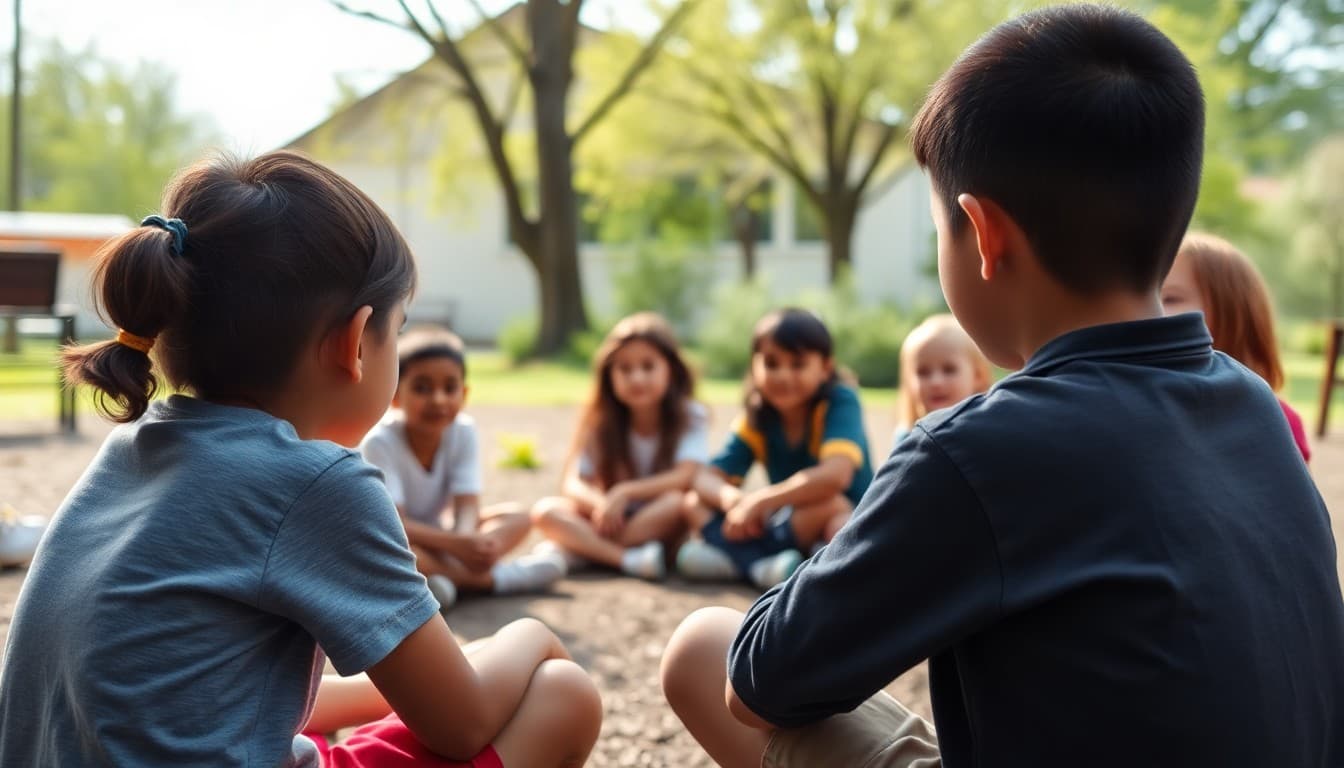
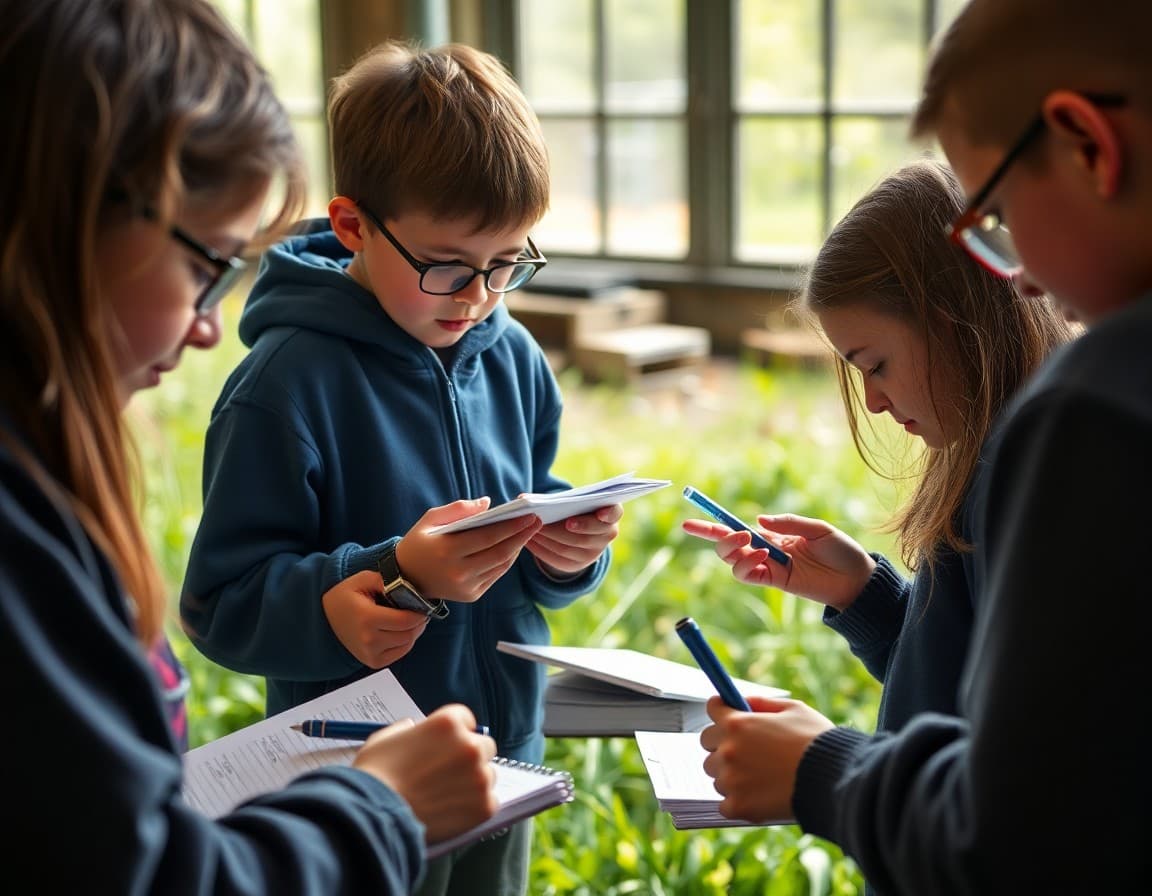
Be specific about what happens when your class goes outside. What subjects happen outdoors? What does an outdoor math lesson look like? What kind of science observation do students do in the schoolyard? A parent who can picture their student using a field journal to identify plants, or working on measurement estimation with natural objects, sees outdoor learning very differently than one who imagines unstructured time.
Connect outdoor activities to curriculum standards
Name the specific standards and skills the outdoor learning activities address. Science observation skills, measurement in real contexts, data collection from living systems, environmental literacy, physical engagement with mathematical concepts. Families who can see the curriculum alignment trust the approach more and understand that their student is not missing indoor academic time in any meaningful way.
Give families specific gear guidance
Be practical about what students need to be comfortable and ready for outdoor learning. Closed-toe shoes on days when you go outside. An extra layer on cooler days. A hat or sunscreen during warm weather. Clothes that families are comfortable with getting muddy or grass-stained. Practical guidance prevents the parent frustration that comes from a child coming home with ruined shoes or sunburned arms because no one mentioned preparation.
Explain your weather policy
Tell families what conditions cancel outdoor learning. Rain, extreme cold, excessive heat, air quality issues. Families who know the threshold feel confident that outdoor learning is thoughtfully managed rather than arbitrary. A student who goes outside in a light drizzle because you have a defined weather policy is different from one who gets soaked because no one checked the forecast.
Address safety and supervision
Note any safety protocols specific to your outdoor learning environment. Boundaries students know to stay within, the adult-to-student ratio, the emergency procedure if something happens outside. Families who feel confident about safety logistics are far more supportive of outdoor time than families who are quietly worried about supervision.
Share photos from outdoor learning
Nothing converts a skeptical parent faster than a photo of their student fully engaged in outdoor learning. If you can include one photo from an outdoor session in your newsletter, or follow up with a photo recap, families who see the energy and focus their student brings to outdoor activities become advocates for the approach.
Daystage makes it easy to send an outdoor learning overview newsletter and follow up with visual updates from the sessions so families get a complete picture of what their student experiences when learning happens outside the four classroom walls.
Get one newsletter idea every week.
Free. For teachers. No spam.
Frequently asked questions
What should an outdoor learning newsletter include?
Why you are taking learning outside (benefits and research), what subjects and activities will happen outdoors, any gear or clothing families should know about, weather policies for outdoor learning, how outdoor time connects to curriculum standards, and a note about supervision and safety protocols.
How do I address parent concerns about learning happening outside?
Lead with the research on outdoor learning benefits: improved attention, reduced stress, increased engagement, and real-world application of classroom concepts. Families who understand the evidence become supporters of outdoor learning rather than worried that academic time is being replaced with recess.
What do families need to prepare their student for regular outdoor learning?
Weather-appropriate clothing that the family is comfortable getting dirty or wet, appropriate footwear, sunscreen for warm-weather periods, and a positive attitude toward insects and nature contact. Your newsletter should be specific about what families need to prepare rather than vague about outdoor clothing requirements.
How do I handle allergies and outdoor safety?
Note any known allergens relevant to your outdoor learning environment (bee stings, plant contact allergens) and explain how they are managed. If students with EpiPens or other emergency medications will be outside, confirm that all protocols remain in place during outdoor learning time.
What tool helps teachers communicate about outdoor learning?
Daystage makes it easy to send an outdoor learning overview newsletter with all the preparation details and to follow up with quick photo updates from outdoor sessions so families can see the learning that happens outside.

Adi Ackerman
Author
Adi Ackerman is a former classroom teacher and curriculum writer with 8 years in K-8 schools. She writes about school communication, parent engagement, and what actually works in real classrooms.
More for Classroom Teachers
Ready to send your first newsletter?
3 newsletters free. No credit card. First one ready in under 5 minutes.
Get started free