

How to Write a Community Garden Project Newsletter to Families
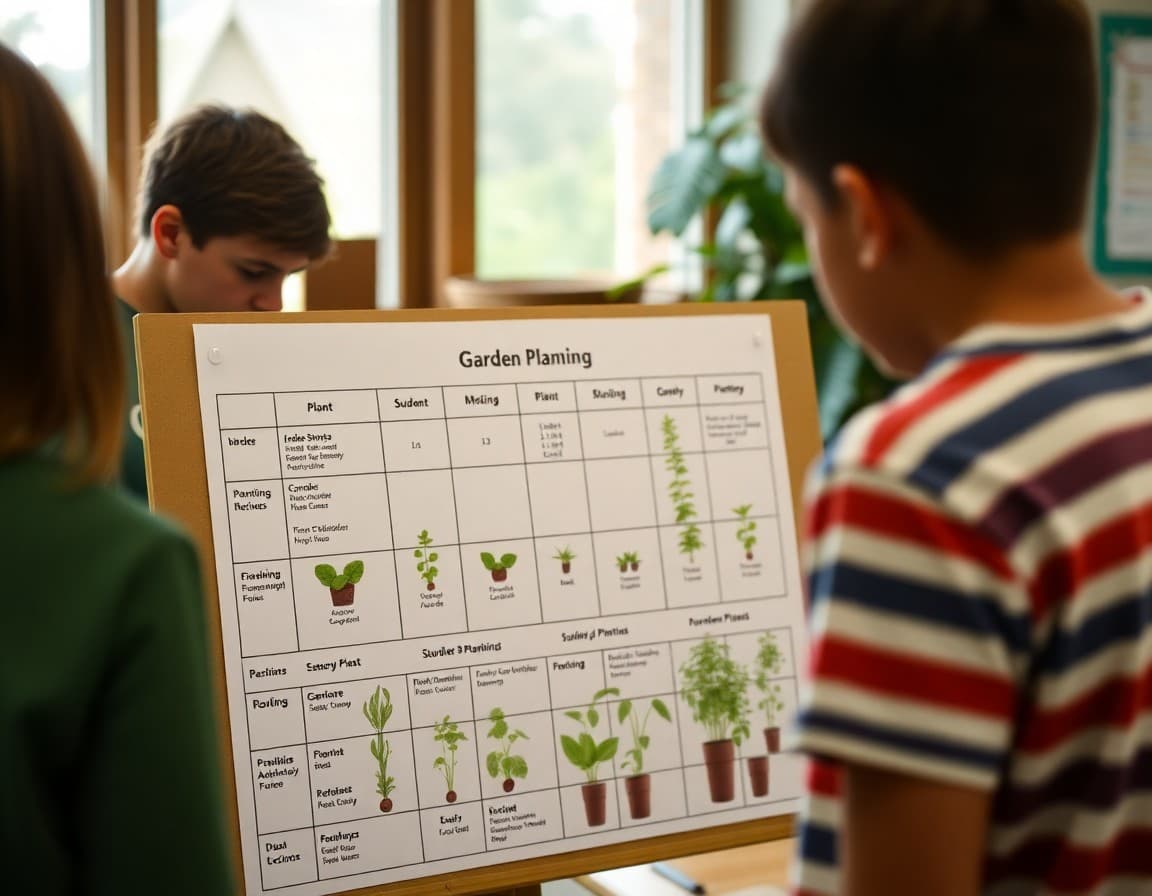
Community garden newsletters are some of the most satisfying communication a teacher can send because the subject matter is visibly alive and growing. A garden project gives families something tangible to follow, ask about, and visit. A newsletter that explains the curriculum connections, invites participation, and shares regular growing updates turns a school garden into a community project rather than a classroom activity families barely know exists.
Open with the garden's purpose and place in the curriculum
Tell families what the garden is and why your class is growing it. What curriculum connections does it serve? Life science, nutrition, math through measurement and data, language arts through observation journals, social studies through food systems. A garden that families understand as a curriculum resource rather than an extracurricular gets appropriate attention and support.
Describe what students are planting and why
Give families a specific picture. Which plants are going in, when, and where in the garden they are planted. Why were these plants chosen? Did students vote? Do they connect to a science unit? Are they native plants chosen for ecological reasons? The specificity matters because students come home talking about their garden and families who can engage with specific details have better conversations.
Explain the ongoing student responsibilities
Tell families what students will be doing with the garden throughout the season. Planting, watering schedules, observation journal entries, data collection, harvest preparation. Families who understand that the garden is an ongoing classroom responsibility rather than a one-day event take their student's garden talk seriously.
Invite family volunteers
School gardens often need weekend or after-school maintenance support. Be specific about what volunteer help looks like: watering during school breaks, weeding sessions, helping with a planting day, building materials or soil donations. Families who know exactly what is needed and when are more likely to volunteer than those who receive a vague request for help.
Describe the harvest plan
What will happen with the produce? Students eating what they grew, a school cooking project, a donation to a food pantry, a student-run market, sharing with families. Let families know the plan so they feel connected to the outcome of the project and understand that the garden has a real, purposeful end beyond the planting itself.
Suggest home garden connections
Even families without yard space can connect garden learning to home life. A single pot of herbs on a windowsill, a tomato plant on a balcony, sprouting seeds in a mason jar. These small at-home growing experiences reinforce the biology the class is studying and give students something to compare to the school garden. A student growing basil at home while the class garden grows basil develops richer understanding than either experience alone.
Send regular growing updates
A community garden is a living story. Families who receive photos and brief updates as the garden grows stay connected to the project throughout the season. "The tomato seedlings sprouted this week, here is what they look like under the grow lights" is the kind of update that keeps families engaged and gives students a sense of continuity in their care for the garden.
Daystage makes it easy to send a garden launch newsletter and follow-up photo updates throughout the growing season so families experience the full arc of a project that is often one of students' most memorable experiences of the school year.
Get one newsletter idea every week.
Free. For teachers. No spam.
Frequently asked questions
What should a community garden newsletter include?
The garden's location and scope, the curriculum connections the garden supports, what students are planting and tending, how families can volunteer to help maintain the garden, any produce sharing plans at harvest, safety protocols around tools and plants, and updates as the garden progresses through the season.
What curriculum areas does a school garden connect to?
Life science (plant biology, ecosystems, photosynthesis), math (measurement, data collection, area and planning), language arts (observation journaling, descriptive writing), social studies (food systems, agriculture, community), and health and nutrition (where food comes from, plant-based foods). School gardens are one of the richest multi-curricular resources available.
How can families support a community garden project at home?
Starting a small container garden at home, even a single pot with herbs, connects home and school learning. Visiting a farmers market together, composting food scraps, or trying a new vegetable at dinner all reinforce the garden learning without requiring a yard or special resources.
What happens to the produce from a school garden?
Options vary by school. Many school gardens share produce with students at harvest, use it in a school cooking project, donate to a food pantry, or sell at a small student-run market. Your newsletter should explain what your class plans to do with the harvest so families feel connected to the outcome of the project.
What tool helps teachers communicate about community garden projects?
Daystage makes it easy to send a garden launch newsletter, regular growing season updates with photos, and a harvest celebration invitation so families stay connected to the living project throughout the season.

Adi Ackerman
Author
Adi Ackerman is a former classroom teacher and curriculum writer with 8 years in K-8 schools. She writes about school communication, parent engagement, and what actually works in real classrooms.
More for Classroom Teachers
Ready to send your first newsletter?
3 newsletters free. No credit card. First one ready in under 5 minutes.
Get started free