
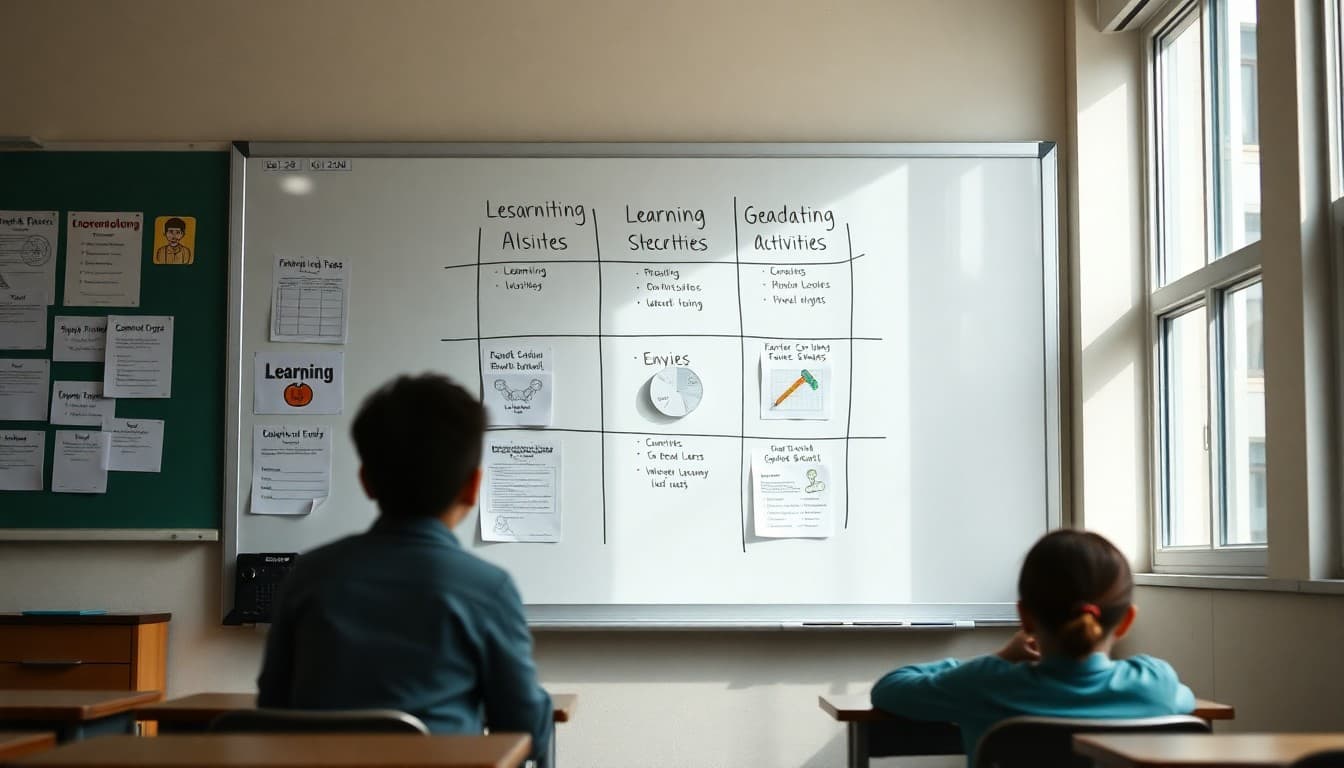
Tic Tac Toe Grid Newsletter: Explaining This Differentiation Tool to Parents
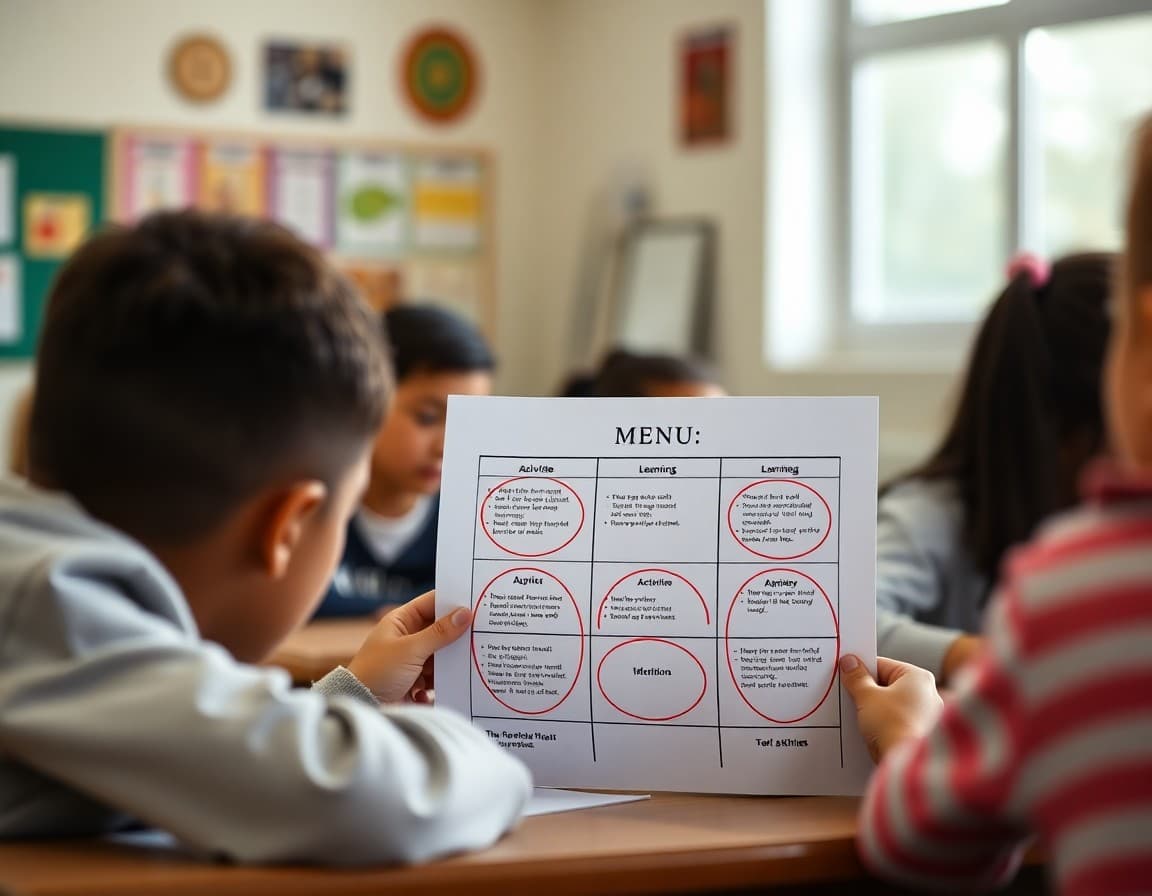
The tic-tac-toe grid is one of those classroom tools that sounds like a game but functions as a serious differentiation strategy. The format gives students structure within choice, which is exactly what many learners need. Your newsletter about this activity is an opportunity to explain something that parents will likely find both interesting and reassuring, once they understand what it actually is.
Explain the format clearly before anything else
Many parents have never encountered a tic-tac-toe learning grid. Describe it plainly. Nine activities arranged in a three-by-three grid. Students choose three that form a connected line: row, column, or diagonal. Every activity addresses the same learning standard. The game-like structure is motivational packaging around a rigorous assignment, not a replacement for rigor.
Name the current grid topic and activity options
Tell families what subject area and standard the current grid targets, and give them a rough sense of what the nine activities involve. "Options include writing a summary, creating a visual diagram, designing a quiz for a classmate, building a model, and comparing two perspectives in a short paragraph, all focused on the causes of World War I." Specific descriptions make the activity feel real and substantive.
Explain why the tic-tac-toe format is effective
The format works for two reasons. First, students engage more when they have agency over how they demonstrate learning. Second, the grid structure ensures that the range of options covers different modalities, so kinesthetic learners, verbal processors, and visual thinkers all have meaningful paths. Both reasons are worth sharing with families who may be more accustomed to uniform assignments.
Clarify the rigor question directly
Some parents will worry that choice means some students can avoid hard tasks. Address this head-on. The grid is designed so that no combination of three is significantly easier than another. Every diagonal, row, and column is intentionally balanced in terms of complexity. Students cannot choose their way to a lesser standard.
Tell parents how to support choice-making at home
When students bring the grid home, parents sometimes try to direct which three to pick. Coach families toward a different role. "Ask your student which three they are thinking about and why. Let them walk you through their reasoning." This builds metacognitive thinking and preserves the student's ownership of the decision.
Address what happens if students do not finish
Let parents know your policy on incomplete grids. Do students finish in class? Is there a take-home component? Is there a firm deadline? Clear expectations prevent the evening-before scramble and the associated parental panic that can undo a week of good in-class work.
Close by connecting the strategy to larger goals
The tic-tac-toe grid is not just a fun way to vary classroom tasks. It is practice in decision-making, self-knowledge, and learning strategy. Students who regularly choose how to demonstrate their understanding develop a much clearer sense of how they learn best. That skill compounds across years of schooling and beyond. Worth mentioning in the newsletter.
Get one newsletter idea every week.
Free. For teachers. No spam.
Frequently asked questions
What is a tic-tac-toe grid in the classroom?
A tic-tac-toe learning grid is a three-by-three menu of nine activities, all aligned to the same content standard. Students choose three activities that form a row, column, or diagonal on the grid, completing a 'tic-tac-toe' pattern. The variety of options meets different learning styles while holding all students to the same content expectations.
How does the tic-tac-toe format differ from a regular choice board?
The tic-tac-toe format adds a light game structure that motivates students to think strategically about their choices. Rather than picking any three activities, students aim for a connected pattern. The structure also ensures variety since a row, column, and diagonal each touch different activity types.
Should parents see the tic-tac-toe grid in the newsletter?
If any part of the grid is done at home, yes, send home a copy. Even if it is purely in-class work, sharing the grid lets parents ask informed questions and understand what their student is working on.
What if a student wants to do more than three activities?
That is a great problem to have. Allow it. Some students will complete the whole board. Your newsletter can note this as an enrichment option for families who ask whether students can go beyond the minimum.
Can Daystage help me share tic-tac-toe grids with parents digitally?
Yes. Daystage supports image uploads and links, so you can attach a photo of the current grid directly in the newsletter and parents can reference it at home.

Adi Ackerman
Author
Adi Ackerman is a former classroom teacher and curriculum writer with 8 years in K-8 schools. She writes about school communication, parent engagement, and what actually works in real classrooms.
More for Classroom Teachers
Teacher Newsletter for Choice Boards: Explaining Student Agency to Parents
Classroom Teachers · 6 min read
How to Explain Student Choice Menus to Families in Your Teacher Newsletter
Classroom Teachers · 6 min read
Explaining Graphic Organizers to Families in Your Teacher Newsletter
Classroom Teachers · 6 min read
Ready to send your first newsletter?
3 newsletters free. No credit card. First one ready in under 5 minutes.
Get started free