

How to Write a Summer Reading Newsletter to Parents
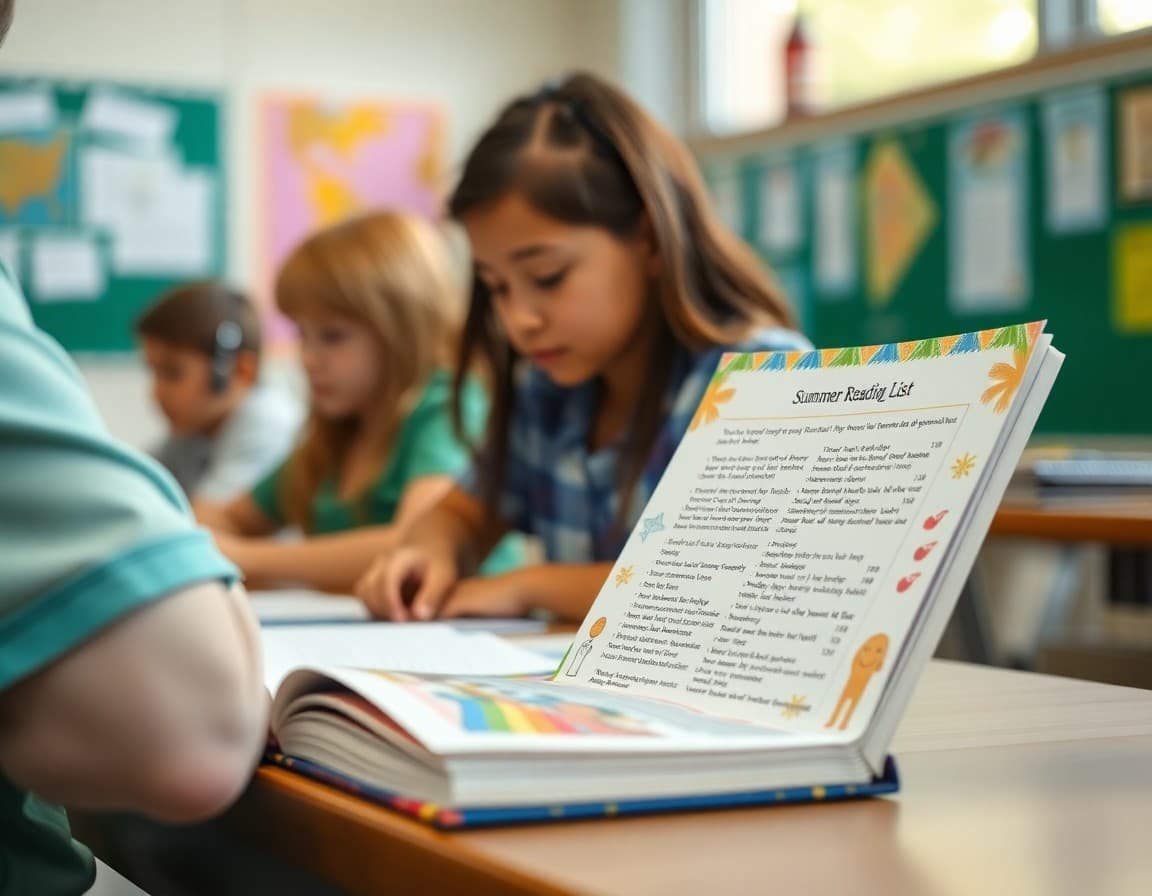
The summer slide is real and documented. Students who do not read over the summer can lose two to three months of reading progress by September. Your summer reading newsletter is not about adding homework to July. It is about giving families practical tools to keep the momentum going without turning summer into school. The way you frame this newsletter determines whether families treat it as a gift or an obligation.
Lead with encouragement, not requirements
Open by celebrating the year and framing summer reading as an extension of the growth families already saw. "Your student made real progress as a reader this year. Summer is a chance to keep that momentum without the pressure of school deadlines. The goal is simple: read something you enjoy, as often as feels right." This framing sets the right tone before you get to any specifics.
Be clear about what is required versus recommended
If your school or grade level has a required summer reading assignment, say so clearly and early. What the book is, what the assignment is, and when it is due in the fall. If reading is purely optional encouragement, say that too. Ambiguity about whether something is graded causes anxiety and resentment. Clarity produces appropriate action.
Provide a curated book list
Do not give families a list of fifty books. Give them five to eight excellent choices across genres and reading levels. Include a one-sentence description of each that tells students what kind of reader might love it. "Perfect for students who liked our adventure unit." "Great for students who want something funny and fast-paced." This kind of framing helps students and families self-select rather than picking randomly.
Point to free access options
Summer reading falls apart for families who cannot access books affordably. Make this section explicit and generous. Public library cards are free. Many libraries have summer reading programs with prizes. Libby and similar apps let cardholders borrow ebooks and audiobooks at no cost. Little Free Libraries exist in many neighborhoods. These resources matter, and families who do not know about them cannot use them.
Give practical habit-maintenance advice
Summer disrupts routine, which disrupts reading habits. Give families a low-pressure framework. "Even fifteen minutes a few days a week makes a meaningful difference over ten weeks. Travel is actually great reading time. Before-bed reading works well for many families in summer because bedtimes are looser. You do not need a schedule. You just need a book nearby." Practical and achievable beats ambitious and abandoned.
Suggest a family reading option
Family read-alouds are one of the strongest predictors of continued reading engagement. Suggest one or two books that parents and children can read together or discuss. "If you are looking for something to read together, [title] works beautifully as a family read-aloud for students at this level." Families who read together talk about reading more, which builds the habit from both directions.
Set up September expectations
Close with a note about how summer reading will connect to your classroom in the fall. "In September, we will share what we read over the summer. There is no formal report. Just a conversation. I am curious what everyone explored." This closing gives summer reading a purpose without adding pressure. Students who know their teacher will ask feel more motivated to actually pick something up.
Daystage lets you send a beautifully formatted summer reading newsletter with a book list, resource links, and a summer reading log students can keep. It is one of the most-saved newsletters you will send all year.
Get one newsletter idea every week.
Free. For teachers. No spam.
Frequently asked questions
What should I include in a summer reading newsletter?
Whether summer reading is required or recommended, specific book suggestions at different levels and genres, free resources families can access, practical tips for maintaining reading habits through a disrupted summer schedule, and any specific assignment due in the fall if one exists.
How do I make summer reading feel inviting rather than obligatory?
Focus on reading for enjoyment rather than performance. Summer reading that students choose for themselves produces stronger readers than summer reading that is assigned and graded. Present the list as a menu, not a mandate, and let students pick what calls to them.
What if families do not have access to books over the summer?
Name your local library and any free app resources prominently in your newsletter. Many families do not realize that library cards are free and that many libraries now have digital lending apps. Linking to these resources removes a real barrier for families who cannot afford to purchase books.
How many books should I recommend for summer reading?
A short list of strong options is better than an exhaustive one. Three to five excellent books across a range of genres gives families enough choice without making the decision overwhelming. Include at least one series starter so students who love a book can keep reading.
Can Daystage help me send a summer reading newsletter with a book list and resource links?
Yes. Daystage lets you format a book list, embed resource links, and include a summer reading tracker or form all in one newsletter. It is an especially good format for an end-of-year send that families will want to keep.

Adi Ackerman
Author
Adi Ackerman is a former classroom teacher and curriculum writer with 8 years in K-8 schools. She writes about school communication, parent engagement, and what actually works in real classrooms.
More for Classroom Teachers
Ready to send your first newsletter?
3 newsletters free. No credit card. First one ready in under 5 minutes.
Get started free