
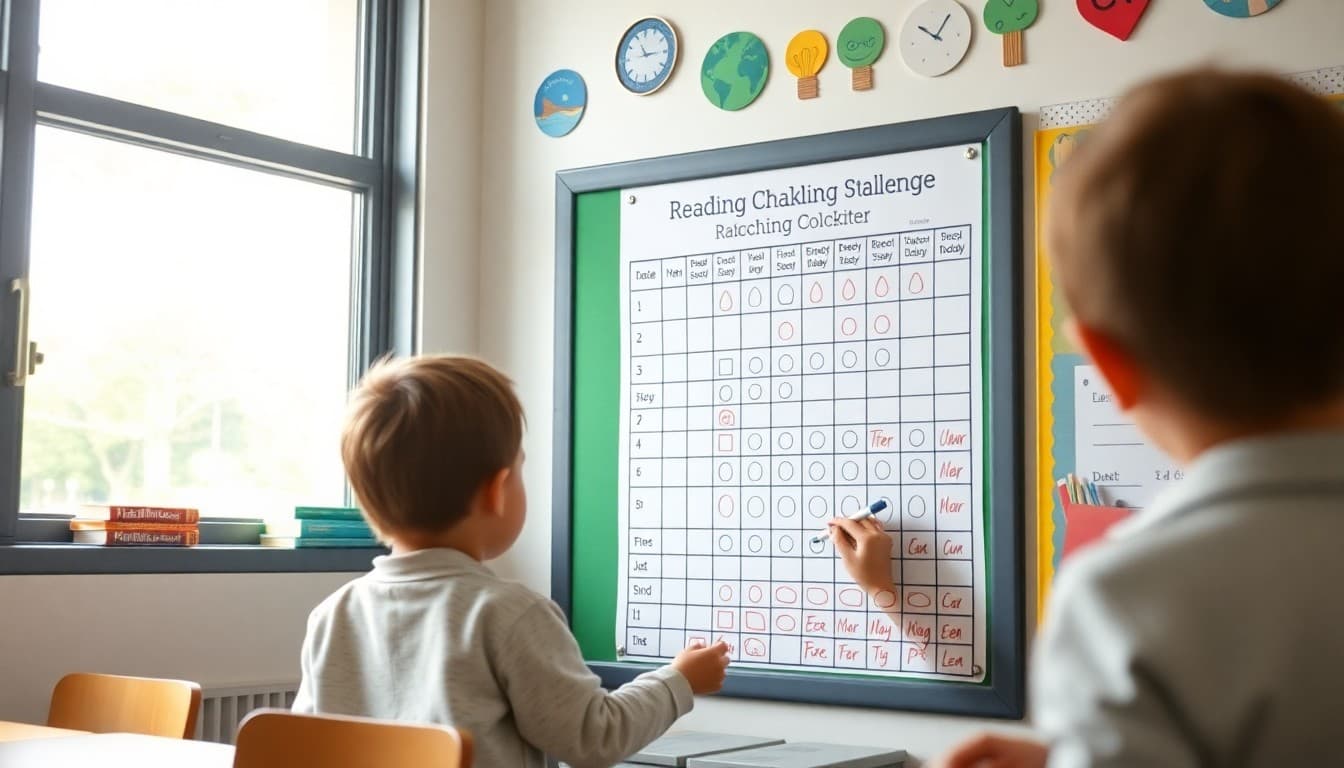
How to Write a Reading Challenge Newsletter to Parents
Reading challenges work when the communication around them is consistent and enthusiastic. They fail when families do not know the rules, students forget the challenge exists, and the tracking system disappears two weeks in. Your newsletter is the engine that keeps the challenge running. A good kickoff newsletter followed by consistent updates maintains the energy and participation from the first week to the last.
Launch with full clarity
Your kickoff newsletter needs to answer every question a family might have. How long does the challenge run? What counts as a book or a reading session? How does a student record their progress? What are the milestones or recognition moments? Challenges that leave room for ambiguity generate confusion that kills momentum. Challenges that start with clear rules stay on track.
Make the format compelling
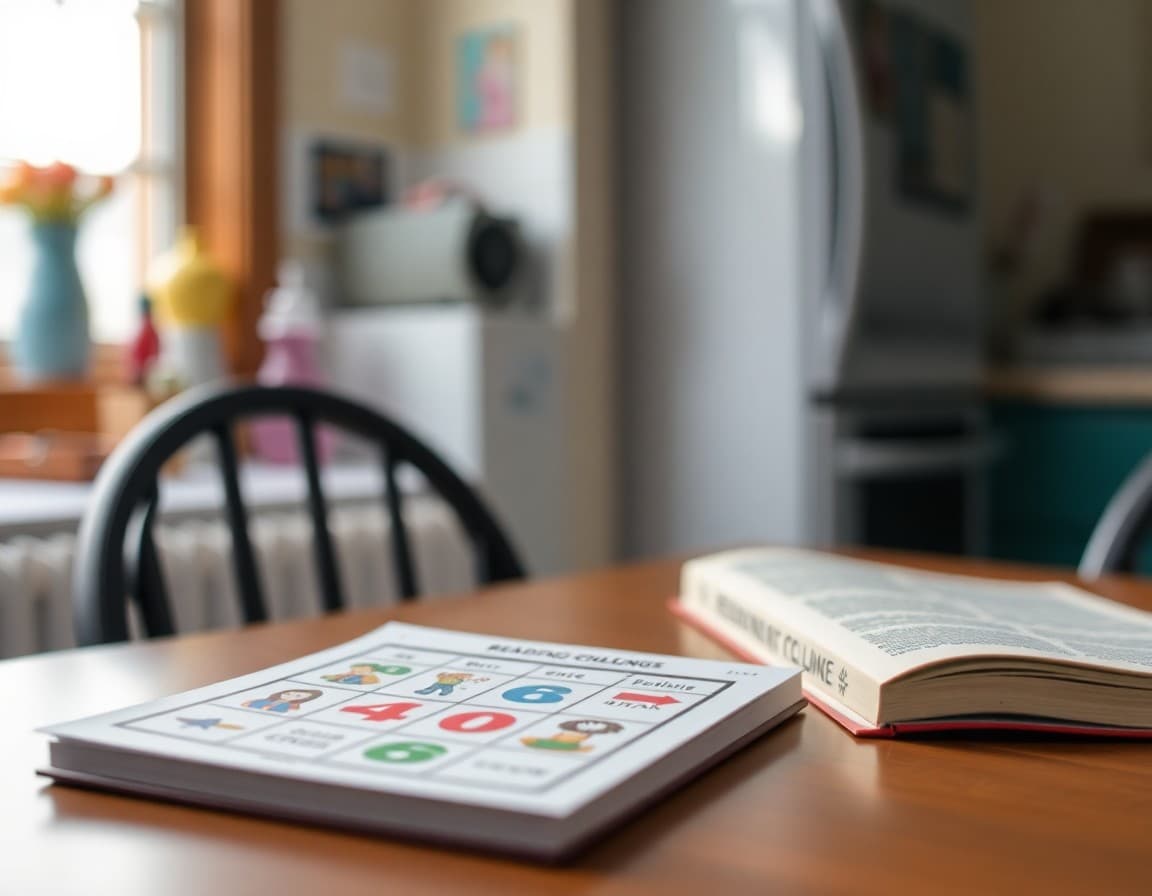
Describe what makes this challenge interesting. Is it a bingo card with reading categories? A class goal where everyone contributes to a shared total? A personal reading ladder where students track their own growth? A genre challenge? The format itself is part of the motivation. Tell families what the challenge experience will actually feel like so students arrive excited rather than unsure.
Be inclusive in what counts
State clearly what types of reading are accepted. If audiobooks count, say so. If re-reading a favorite counts, say so. If reading in a language other than English counts, say so. These details matter enormously for families where independent English-language reading at home is a barrier. A challenge that inadvertently excludes students from participating undermines the whole purpose.
Invite family participation
The most effective reading challenges involve families rather than just students. Give families a role. "Families who read the same book as their student and discuss it together earn bonus entries. Parent read-alouds count for younger readers. Families who track their own reading alongside their student can submit a family total." When reading becomes a household activity, participation rates climb.
Send regular progress updates
A challenge that starts with fanfare and then goes quiet loses participants fast. Include a brief reading challenge update in every newsletter during the challenge period. Current class total, current leader, time remaining, a shoutout to a student who hit a milestone. This keeps the challenge alive and gives students something to talk about at school.
Celebrate publicly and specifically
Recognition drives participation. Name students who hit milestones in your newsletter with their permission. "This week eight students finished their fifth book. Congratulations to [names]." Families who see their student mentioned forward it immediately. Students who see their name in the newsletter work to stay on it.
Close with a final celebration announcement
Tell families early what the end of the challenge looks like. A party, a certificate, a book recommendation display, a class read-aloud of student favorites. Having a finish line makes the journey feel worthwhile. Challenges that end without ceremony lose the motivational payoff that drives participation in the next one.
Daystage makes it easy to embed a reading challenge tracker in your newsletter and update it weekly so families see real-time progress. You can include the current standings, milestone celebrations, and next steps all in one send.
Get one newsletter idea every week.
Free. For teachers. No spam.
Frequently asked questions
What should I include in a reading challenge newsletter?
How the challenge works, the timeline, what counts as a valid reading entry, how progress is tracked, what the rewards or recognition look like, and how families can participate alongside their student. Challenges with clear rules have much higher participation than vague ones.
How do I keep reading challenge participation high throughout the challenge?
Send regular progress updates in your newsletter. Celebrate milestones publicly. Make the tracking visual so students can see where they stand. Challenges that have consistent momentum-building communication sustain participation far longer than ones that start strong and then go quiet.
What reading counts toward a classroom reading challenge?
Define this clearly in your newsletter. Independent reading, read-alouds with a family member, audiobooks, library books, ebooks, and re-reading favorites all have different inclusion policies depending on the teacher. State your policy plainly so families do not have to guess.
How do I handle families where reading at home is genuinely difficult?
Make in-school reading count. Include before-school and lunch reading options. Name alternatives like audiobooks and digital books that might work better for some families. Challenges that only reward home reading inadvertently penalize students from busy or under-resourced households.
Does Daystage support sending reading challenge updates and progress trackers to families?
Yes. Daystage newsletters can include formatted progress sections, links to tracking tools, and visual challenge elements so families stay engaged throughout the challenge period.

Adi Ackerman
Author
Adi Ackerman is a former classroom teacher and curriculum writer with 8 years in K-8 schools. She writes about school communication, parent engagement, and what actually works in real classrooms.
More for Classroom Teachers
Ready to send your first newsletter?
3 newsletters free. No credit card. First one ready in under 5 minutes.
Get started free