How to Write a Classroom Library Newsletter to Parents
Your classroom library is one of the most powerful reading motivation tools you have. A well-stocked, well-organized, well-communicated classroom library produces independent readers. The communication part matters more than most teachers realize. Families who know what is in your library talk about books at home. Students who hear their family ask "did you see the new titles in Ms. Carter's library?" read more than students whose families do not know the library exists.
Introduce the library at the start of the year
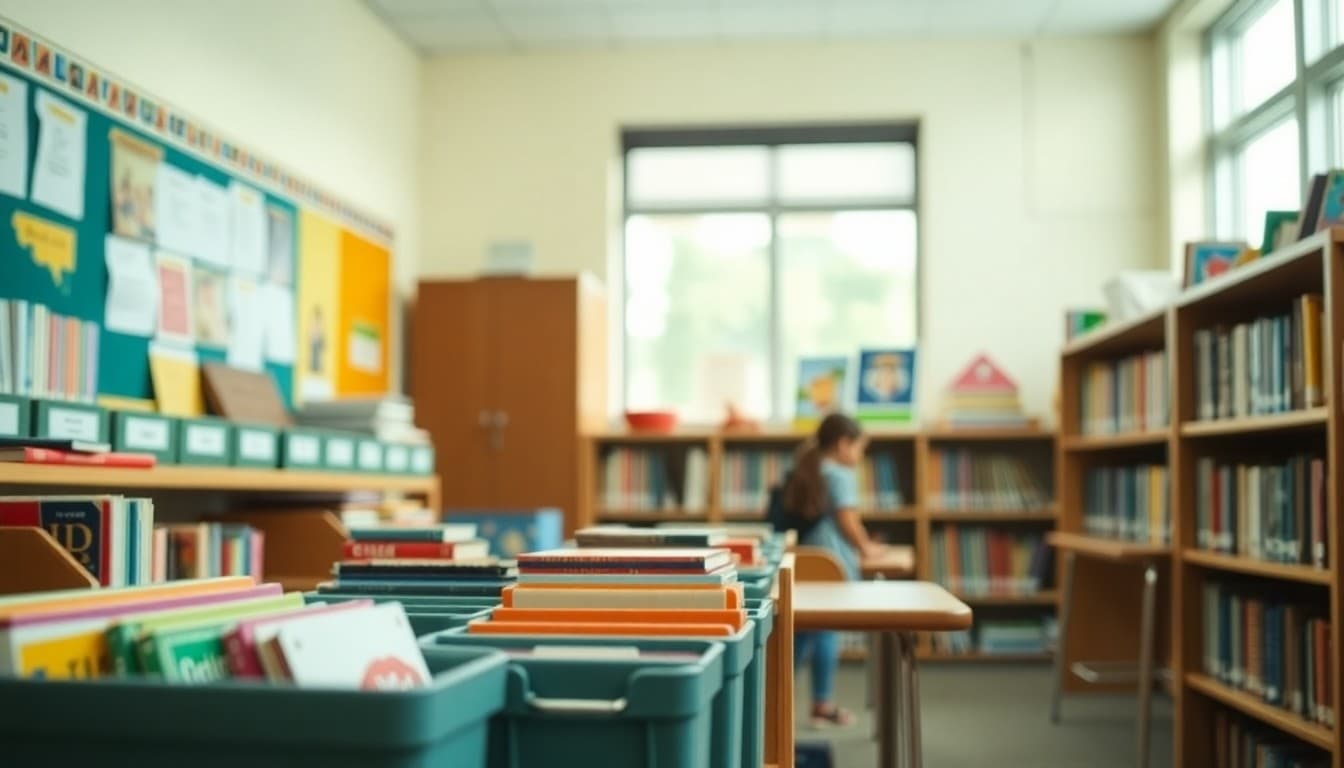
Your first newsletter of the year is the right moment to introduce your classroom library. Describe what you have. How it is organized. What the range of reading levels and genres looks like. Whether books can go home. How the checkout process works. This introduction primes families to value the library and gives students language to use when they want to tell a parent what they are reading.
Explain your organization system
Families who understand how your library is organized can help their student use it more effectively. "Books are sorted by genre rather than reading level so students self-select by interest. Within each genre section, there are books from short-chapter readers to more complex texts. Students choose books they want to read, and I help them find the right entry point." This tells families how choice works in your library.
Describe the take-home policy
Some teachers let books go home. Some do not. State your policy clearly and explain the rationale. "Classroom library books can go home for up to one week at a time. They live in the red bin when students are not reading them. I trust students to keep track of them and return them when they finish." Clear expectations lead to better compliance. Ambiguity leads to lost books.
Share new arrivals and featured books
A brief "new in the classroom library this month" section in your newsletter does more for reading enthusiasm than you might expect. Students who see books highlighted in the newsletter notice them in the library. Parents who read about new titles ask their students about them. One sentence and a short list of titles creates book talk in both directions.
Invite and guide book donations
Many families want to contribute to your classroom library but do not know what you need. A wishlist approach prevents you from ending up with thirty copies of the same book. "We are looking for chapter books in the 400-600 Lexile range, nonfiction titles related to our science units, and diverse picture books for our classroom. Gently used is always welcome. Here is a short list of specific titles we are hoping to find." That guidance turns general goodwill into genuinely useful contributions.
Feature a student recommendation
A brief student book recommendation in your newsletter creates reading buzz better than any other technique. "This week's pick from our classroom library: [title], recommended by [student], because [their quote about why]." Students who see their recommendation in the newsletter feel proud. Students who read about what their classmate liked want to read the same book. It is a very small section with very large effects on library engagement.
Connect library time to at-home reading
Tell families when students have dedicated classroom library reading time so they can ask about it. "We have independent reading from the classroom library every morning for fifteen minutes and every Friday afternoon. Students often have a book they are in the middle of. Ask them about it." This simple question prompt creates the kind of reading conversations that sustain motivation over a whole school year.
Daystage makes it easy to include a classroom library section in your regular newsletter with new arrivals, featured recommendations, and donation requests, so families stay connected to what is available without needing a classroom visit.
Get one newsletter idea every week.
Free. For teachers. No spam.
Frequently asked questions
What should I include in a classroom library newsletter?
How the library is organized, how students access it, whether books can go home, how books are returned, what genres and reading levels you have, and whether families can donate books. Give families a clear picture of what is available so students can talk about it at home.
How do I encourage students to use the classroom library more?
Make it visible in your communication. Mentioning current featured books in your newsletter, sharing a student recommendation, or announcing new arrivals gives families language to use at home. 'Ms. Torres just added some new graphic novels. Did you see them?' Those conversations drive usage.
Should families be able to donate books to the classroom library?
Yes, with guidelines. Tell families what types of books you need, what condition they should be in, and how to contribute. A wishlist approach works especially well because families can pick something you actually want rather than contributing duplicates.
How do I handle books that leave the classroom and do not come back?
Set a clear take-home policy and communicate it in your newsletter. Whether books can leave the room, what the return expectation is, and what happens when books do not come back. Families who know the policy follow it more consistently than those who are guessing.
Can Daystage help me share a classroom library update with families?
Yes. You can include a new arrivals section, a featured book recommendation, and a donation wishlist all in a single Daystage newsletter. Families get a richer view of the classroom without needing to visit in person.

Adi Ackerman
Author
Adi Ackerman is a former classroom teacher and curriculum writer with 8 years in K-8 schools. She writes about school communication, parent engagement, and what actually works in real classrooms.
More for Classroom Teachers
Ready to send your first newsletter?
3 newsletters free. No credit card. First one ready in under 5 minutes.
Get started free