

How to Write a Reading Log Newsletter to Parents That Gets Results
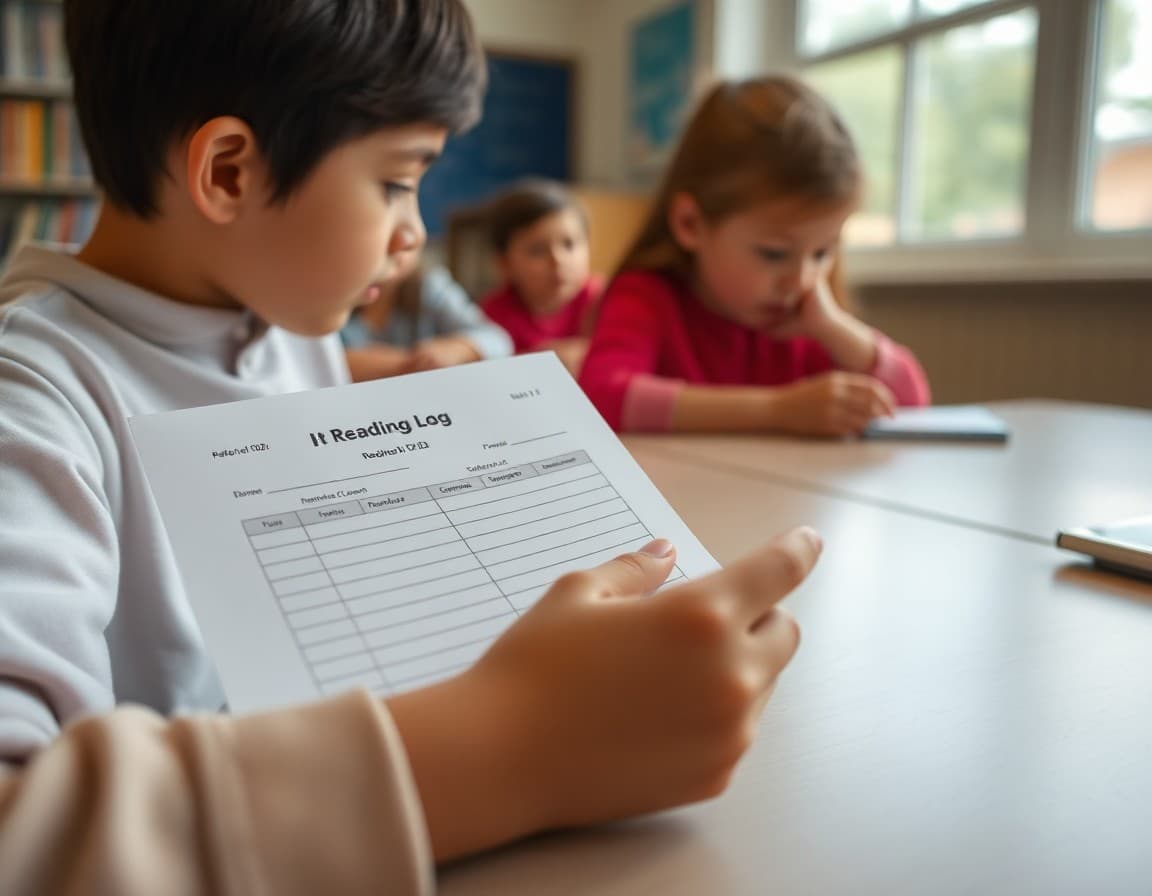
You send the reading log home. Half your students bring it back signed. A quarter bring it back unsigned. The rest lose it entirely. If this sounds familiar, the problem usually is not the log itself. It is the communication around it. A clear reading log newsletter sent at the start of the program changes participation rates more than any incentive you can offer.
Start with the why
Parents are more likely to prioritize home reading when they understand what it is building. Your opening paragraph does not need to be long. Two or three sentences about the connection between daily reading practice and fluency, vocabulary, and reading stamina is enough. Skip the statistics. Just tell them that 15 minutes a night adds up to more than 90 hours of reading time by June and watch the tone of the follow-through shift.
Be specific about the expectation
Vague instructions create inconsistent results. Tell families exactly how many minutes or pages you expect, what counts (independent reading, parent read-aloud, audiobooks with the text), and whether re-reading favorite books is allowed. Then tell them what to do with the log: sign it, write the title, note the pages, put it back in the red folder. No guessing required.
Show what a completed entry looks like
Include a short example in your newsletter. "Monday: Charlotte's Web, pp. 12-24, 20 minutes, Parent signature: J. Torres." That one line does more to increase completion rates than three paragraphs of explanation. Parents who are unsure what you want will fill out what they see modeled.
Address the no-books-at-home concern early
Some families read this kind of newsletter and feel immediately behind because they do not have a shelf of books at home. Name the alternatives before they have to ask. School library books, classroom take-home books, public library card options, and free online reading apps all count. Let them know this upfront and watch the anxiety level in your parent responses drop.
Explain the accountability piece honestly
Tell parents how you will check the logs. Daily check-in, weekly collection, or periodic spot-check. If there are consequences for consistent non-completion, say that too. Parents respect honesty and they are more likely to follow through when they know you are tracking it. If you just say "try your best," many families hear "optional."
Give them a troubleshooting section
A short bullet list at the bottom of your newsletter handles most of the emails you would otherwise get. What if my child finishes the book mid-week? What if we miss a night? What if the log gets lost? Address these scenarios directly. It saves you repetitive reply emails and signals to families that you have thought this through.
Keep future reminders short
Your first reading log newsletter does the heavy lifting. After that, a monthly two- sentence check-in is enough. "Reading logs are due every Friday. Thanks to the families who have been consistent this month." That kind of brief acknowledgment maintains the habit without requiring families to re-read the full instructions each time.
Tools like Daystage let you build a reading log template section directly into your recurring newsletter so the tracker and the communication travel together. Families get one place to look rather than hunting through papers in a backpack.
Get one newsletter idea every week.
Free. For teachers. No spam.
Frequently asked questions
What should I include in a reading log newsletter to parents?
Explain what the reading log is, how many minutes or pages you expect, how often it should be signed, and where it lives in the student's folder. Keep the ask simple. Include a short example of what a completed log entry looks like so parents are not guessing.
How do I get parents to actually sign the reading log every night?
Reduce friction by being clear about exactly what you need. A parent who gets home at 7pm needs three-sentence instructions, not a paragraph of context. Tell them where to find the log, what to check, and where to sign. The simpler the system, the higher the follow-through.
What if families do not have books at home?
Mention alternatives in your newsletter. School library books, library app checkouts, online read-alouds, and books from your classroom library that students can bring home all count. Naming these options removes a barrier for families who worry they do not have the right resources.
How often should I send a reading log reminder newsletter?
Once at the start of the program to explain the system, then a brief reminder monthly or whenever participation drops. Do not re-explain everything each time. A short paragraph with the key info is enough after the first send.
Can Daystage help me manage reading log communication with families?
Yes. Daystage lets you send a structured newsletter with your reading log expectations, a printable log template, and a reading tracker section. Families get one clear document instead of loose papers and verbal reminders.

Adi Ackerman
Author
Adi Ackerman is a former classroom teacher and curriculum writer with 8 years in K-8 schools. She writes about school communication, parent engagement, and what actually works in real classrooms.
More for Classroom Teachers
Ready to send your first newsletter?
3 newsletters free. No credit card. First one ready in under 5 minutes.
Get started free