
How to Write a Student Sleep Schedule Newsletter to Families
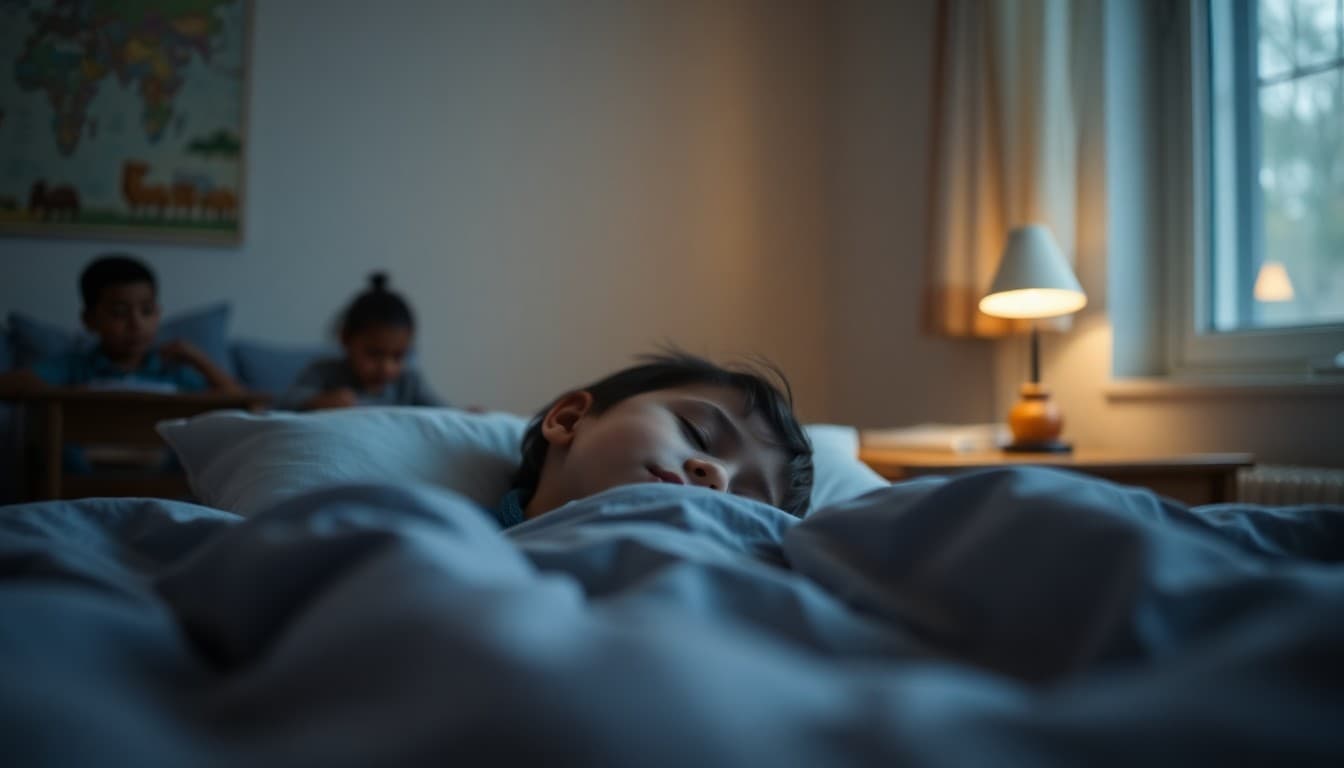
Sleep newsletters are some of the most impactful communication a teacher can send because the connection between sleep and classroom performance is so direct and so consistently underestimated. A student who is not sleeping enough is at a persistent learning disadvantage that shows up every single day in their ability to attend, retain, and regulate their emotions. Families who understand this connection tend to take sleep more seriously than families who see it as a matter of preference.
Open with the classroom connection
Start by grounding the newsletter in something families care about: their student's school performance. Sleep directly affects attention span, working memory, and the brain's ability to consolidate what was learned the previous day. A well-rested student learns more efficiently in the same amount of instructional time than a sleep-deprived one. This is not background information. It is the most direct explanation for why sleep matters for school.
Share the research-based sleep targets
Give families the current recommendations for their student's age group. School-age children generally need 9 to 12 hours per night. Teenagers need 8 to 10 hours. Many students are not close to these targets. Sharing the numbers gives families a concrete benchmark against which to evaluate their current routine, without requiring you to speculate about any specific child's sleep habits.
Describe what sleep deprivation looks like in school
Help families recognize the signs that their student might not be getting enough sleep. Difficulty staying focused during lessons, increased emotional reactivity, struggling to remember things learned recently, slowness to start work in the morning. These signs often look like attention or behavior problems rather than sleep problems, which is why families sometimes do not make the connection.
Explain the impact of screens before bed
Blue light from screens delays the onset of melatonin, which is the signal the brain uses to prepare for sleep. Using screens right up until bedtime can push a child's natural sleep onset significantly later even if they are in bed at the same time. This is a practical piece of biology that families can act on without restructuring their entire evening: removing screens from the bedroom and stopping screen use an hour before the intended sleep time.
Offer a bedtime routine framework
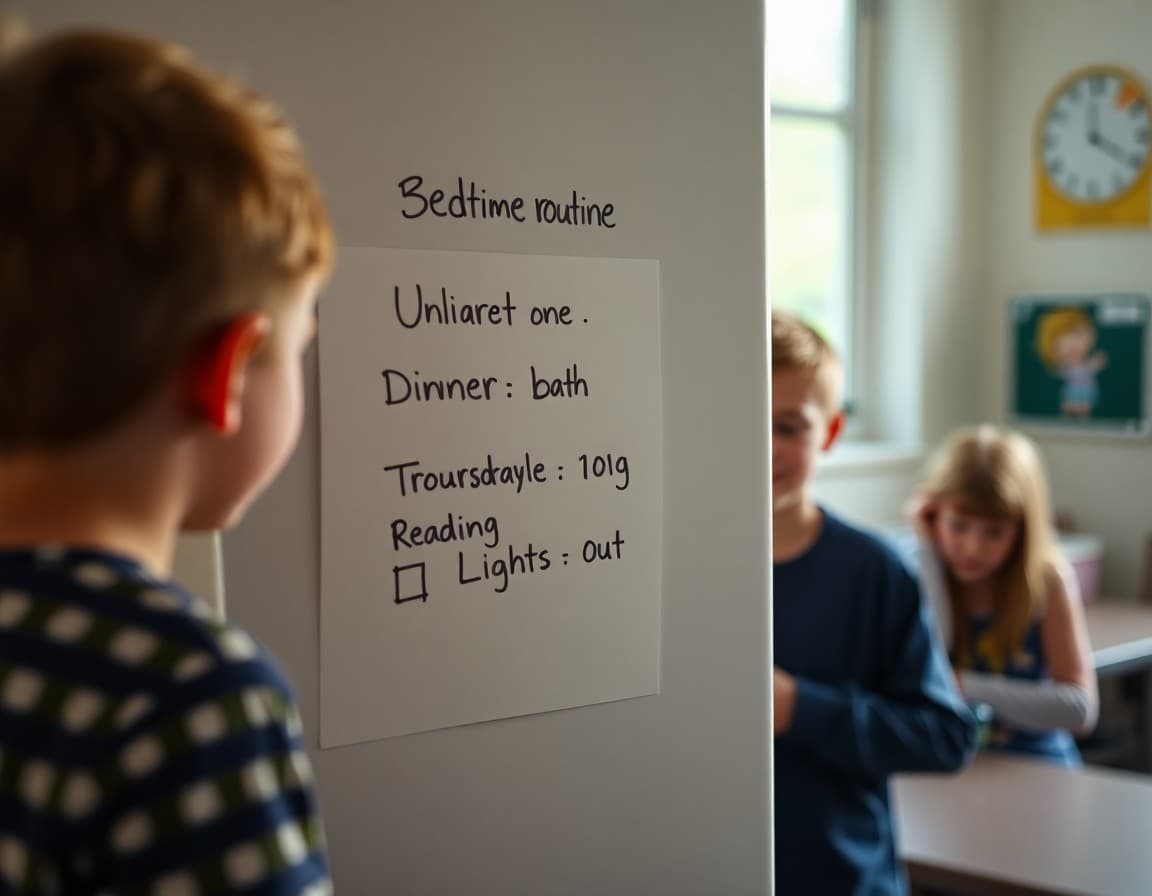
Give families a simple, evidence-backed bedtime routine structure. A consistent wind-down sequence that ends at the same time every night is the most powerful sleep hygiene tool available. Dinner, some physical activity earlier in the evening, a calm wind-down activity like reading or a bath, and lights out at a consistent time. The sequence matters less than the consistency.
Address weekend sleep drift
Many students stay up significantly later on weekends and then struggle with the adjustment when the school week restarts. A note about keeping weekend bedtimes reasonably close to the school-night schedule prevents the weekly cycle of Monday morning difficulty that some families accept as normal without realizing it is largely preventable.
Acknowledge the real constraints families face
Late work schedules, shared sleeping spaces, younger siblings, long commutes, after-school activities. These are real factors that make consistent early bedtimes challenging for many families. Acknowledge this rather than assuming every family has the option of a 8:30 bedtime. Focus on the incremental improvements that are within reach for every family rather than an ideal scenario that is not.
Daystage makes it easy to send a student wellness newsletter that families receive in a readable, respectful format. A newsletter that treats families as partners in their student's wellbeing is far more effective than one that sounds like a lecture.
Get one newsletter idea every week.
Free. For teachers. No spam.
Frequently asked questions
How much sleep do elementary and middle school students need?
The American Academy of Sleep Medicine recommends 9 to 12 hours per night for school-age children (6 to 12 years) and 8 to 10 hours for teenagers. These are not minimums. They are targets for optimal development, learning, and emotional regulation. Most students fall significantly short of these guidelines.
How does lack of sleep affect classroom performance?
Sleep deprivation directly impairs attention, working memory, emotional regulation, and the consolidation of what was learned the previous day. A chronically under-slept student is at a persistent learning disadvantage that no amount of instruction can fully compensate for. This is the most direct connection between sleep and academic performance.
What makes a good bedtime routine for school-age students?
Consistency is the most important factor. A predictable sequence of wind-down activities at the same time each night signals to the brain that sleep is approaching. Typical elements include stopping screens an hour before bed, a calm activity like reading or a bath, and lights-out at a consistent time regardless of day of week.
How do I address this topic without making parents feel blamed?
Frame sleep communication as sharing research that helps families understand the connection between sleep and learning, not as feedback on their parenting. Acknowledge that late bedtimes are often a result of real scheduling pressures, not negligence. Offer practical strategies rather than just a wake-up call.
What tool helps teachers send sleep and wellness newsletters?
Daystage makes it easy to send a student wellness newsletter with research context and practical tips in a warm, supportive format that families are likely to read and act on rather than dismiss.

Adi Ackerman
Author
Adi Ackerman is a former classroom teacher and curriculum writer with 8 years in K-8 schools. She writes about school communication, parent engagement, and what actually works in real classrooms.
More for Classroom Teachers
Ready to send your first newsletter?
3 newsletters free. No credit card. First one ready in under 5 minutes.
Get started free