
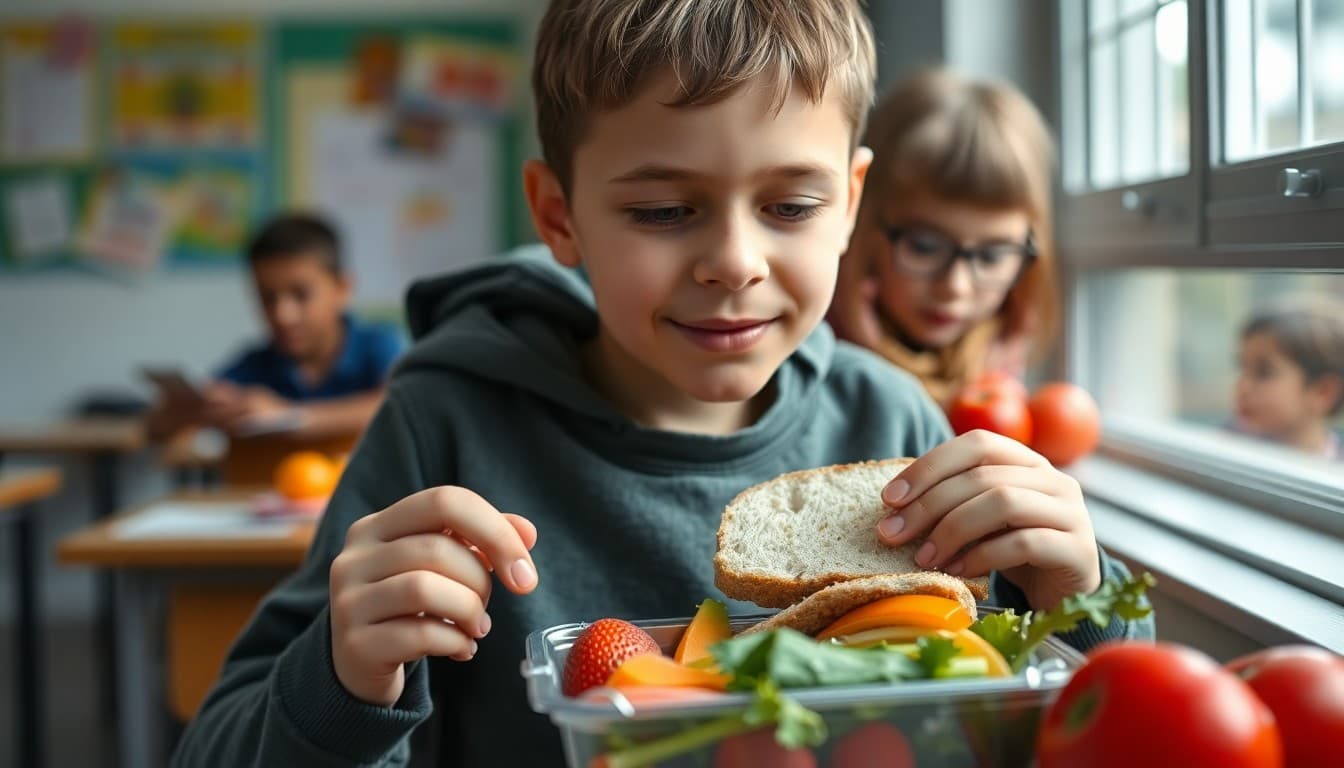
How to Write a Nutrition and Learning Newsletter to Families
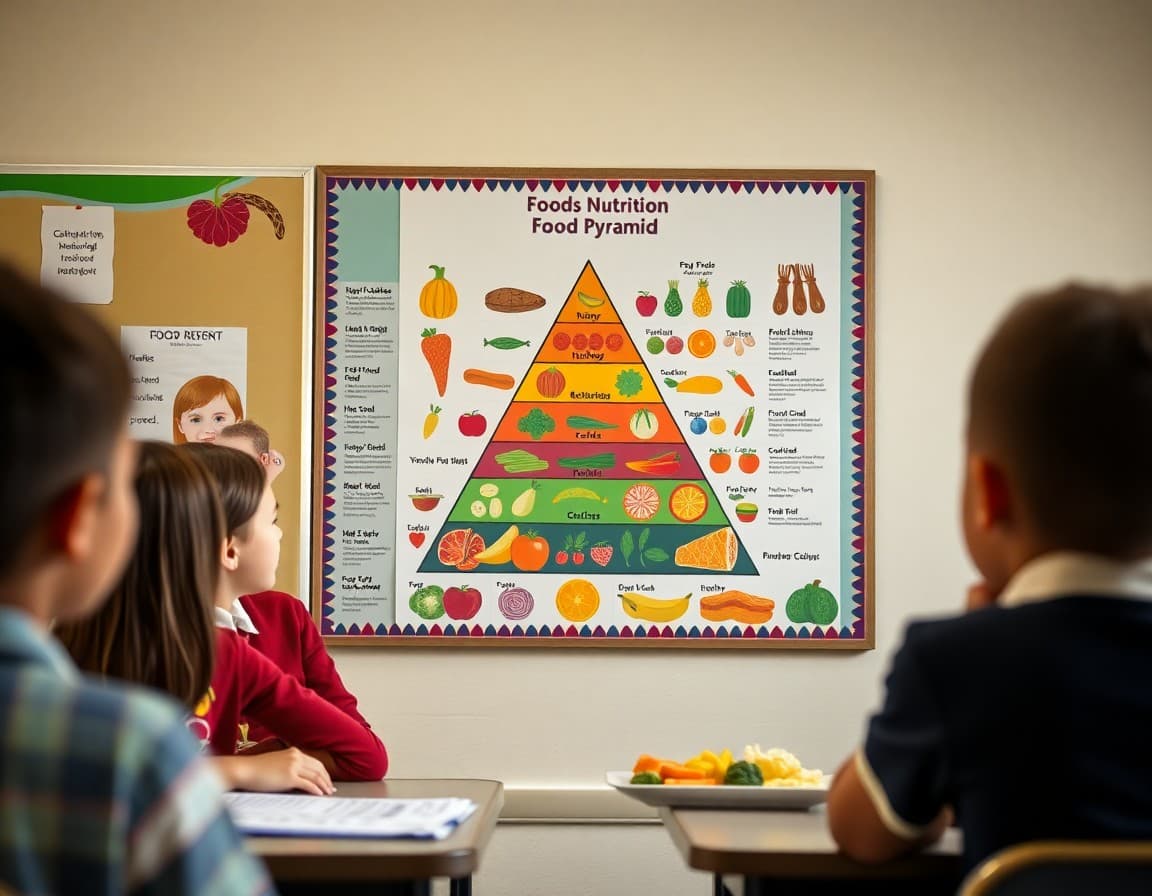
Nutrition newsletters occupy a sensitive space. You are sharing information that genuinely affects classroom performance. But food choices are deeply personal, culturally specific, and often constrained by budget and access in ways that are invisible from the teacher's vantage point. A newsletter that shares research without prescribing specific foods, and that acknowledges economic realities, is far more effective than one that sounds like nutritional advice from a position of assumed abundance.
Connect nutrition directly to classroom learning
Start with the classroom-relevant angle. The brain uses more energy than any other organ in the body and is acutely sensitive to whether it has adequate fuel when a student arrives at school. A student who skipped breakfast has a different morning than a student who ate one. Blood sugar, hydration, and micronutrient availability all affect attention, memory, and emotional regulation in ways that show up directly in classroom behavior and performance.
Focus on breakfast above everything else
The research on breakfast and school performance is among the most consistent in educational nutrition. Students who eat breakfast demonstrate better concentration, better test performance, and fewer behavioral issues than students who skip it. This does not require an elaborate meal. Even a simple breakfast of any kind is significantly better than none. Be realistic about what this looks like in practice for a family with a 6:30 a.m. school start.
Address hydration specifically
Mild dehydration, which can occur even without feeling thirsty, impairs concentration and increases fatigue. Encouraging families to send their student to school with a water bottle is one of the simplest, most accessible wellness recommendations you can make. Note whether your classroom has water bottle fill stations or whether students have access to water during the day.
Note the mid-morning energy pattern
High-sugar breakfast items followed by a mid-morning slump are a common classroom pattern. Without making it prescriptive, families who know about this pattern can make small adjustments. A breakfast that includes some protein or complex carbohydrate alongside whatever the family eats tends to provide more sustained energy than one based primarily on sugar. This is practical information, not a dietary mandate.
Connect to any classroom nutrition curriculum
If your class is studying health, food systems, or biology, make the connection explicit. Students who are learning about how nutrients work in the body at school have a natural entry point for family conversations about food that does not require you to wade into family dietary preferences at all.
Acknowledge economic and cultural diversity
Nutritional ideals in nutrition research and nutritional realities in diverse families are often very different. Your newsletter should acknowledge this explicitly. Budget constraints, cultural food traditions, time limitations, and food access vary enormously. Focus on accessible practices and avoid implying that only expensive or unfamiliar foods constitute healthy eating. Every cultural food tradition includes nutritious options.
Note the school's nutrition resources
If your school offers breakfast programs, free or reduced lunch, food pantry access, or other nutrition supports, include information about them. Families who need these resources but do not know they exist are at a disadvantage. Normalizing these resources in a general wellness newsletter reduces the stigma that sometimes prevents families from accessing them.
Daystage makes it easy to send a nutrition and wellness newsletter that families receive as genuinely helpful rather than preachy. The framing matters as much as the content, and a newsletter that starts with solidarity and moves to practical guidance lands differently than one that leads with correction.
Get one newsletter idea every week.
Free. For teachers. No spam.
Frequently asked questions
How do I write about nutrition without making families who cannot afford healthy food feel judged?
Focus on accessible practices and acknowledge economic constraints explicitly. A breakfast that is realistic for every budget, not an idealized version, is more useful than aspirational nutrition advice that is out of reach for many families. Framing suggestions around what is possible rather than what is ideal shows respect for diverse circumstances.
What nutrition habits most directly affect classroom learning?
Eating breakfast before school is the single most impactful nutrition habit for classroom performance. Adequate hydration also significantly affects focus and cognitive function. Beyond that, avoiding very high-sugar items in the morning (which can cause a mid-morning energy drop) and ensuring students have a substantive lunch are the next most relevant factors.
Should teachers get involved in what students eat for lunch?
Teachers can share research and encourage families to think about the connection between food and learning without dictating lunch contents. A newsletter that shares evidence and invites reflection is appropriate. A newsletter that tells families what to pack is not.
How is classroom nutrition connected to curriculum?
If your class is studying health, biology, or food systems, a nutrition newsletter connects directly to curriculum content. Even outside dedicated health units, a brief connection to how the brain uses glucose and nutrients for focus and memory gives a classroom-relevant frame for nutrition habits.
What tool helps teachers send nutrition and wellness newsletters?
Daystage makes it easy to send a student wellness newsletter with practical nutrition guidance in a warm, accessible format that families receive as support rather than judgment.

Adi Ackerman
Author
Adi Ackerman is a former classroom teacher and curriculum writer with 8 years in K-8 schools. She writes about school communication, parent engagement, and what actually works in real classrooms.
More for Classroom Teachers
Ready to send your first newsletter?
3 newsletters free. No credit card. First one ready in under 5 minutes.
Get started free