
How to Write a Screen Time Balance Newsletter to Families
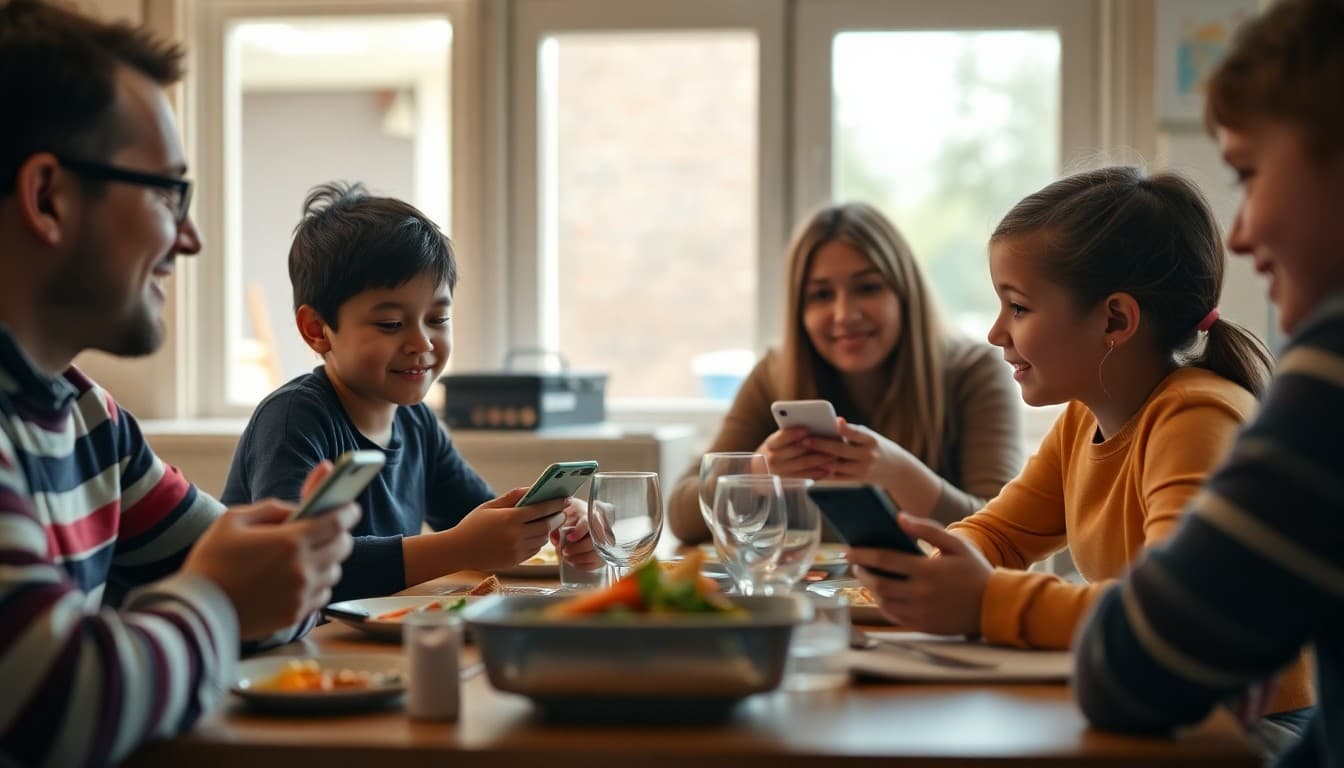
Screen time is one of the most charged topics in contemporary parenting, which means a newsletter about it needs to handle the balance between sharing useful research and respecting that families are doing their best in complicated circumstances. The tone that works here is collaborative and non-judgmental. You are sharing what the research shows and offering strategies, not telling families how to parent.
Acknowledge the challenge first
Start by naming the reality. Screen time management is genuinely hard. Devices are designed to be engaging. School requires some of it. Entertainment involves a lot of it. Social connection happens through it. Families that are struggling to find balance are not failing. They are navigating something genuinely difficult without a clear roadmap. Naming this builds trust before any guidance lands.
Distinguish between types of screen use
Not all screen time is equal. Research consistently shows differences between passive entertainment consumption, active creative use, educational engagement, and social connection. A student spending an hour on a creative coding app is having a different experience than a student spending an hour scrolling short video content. Helping families make this distinction changes how they think about limits and what they prioritize.
Connect screen time to classroom performance
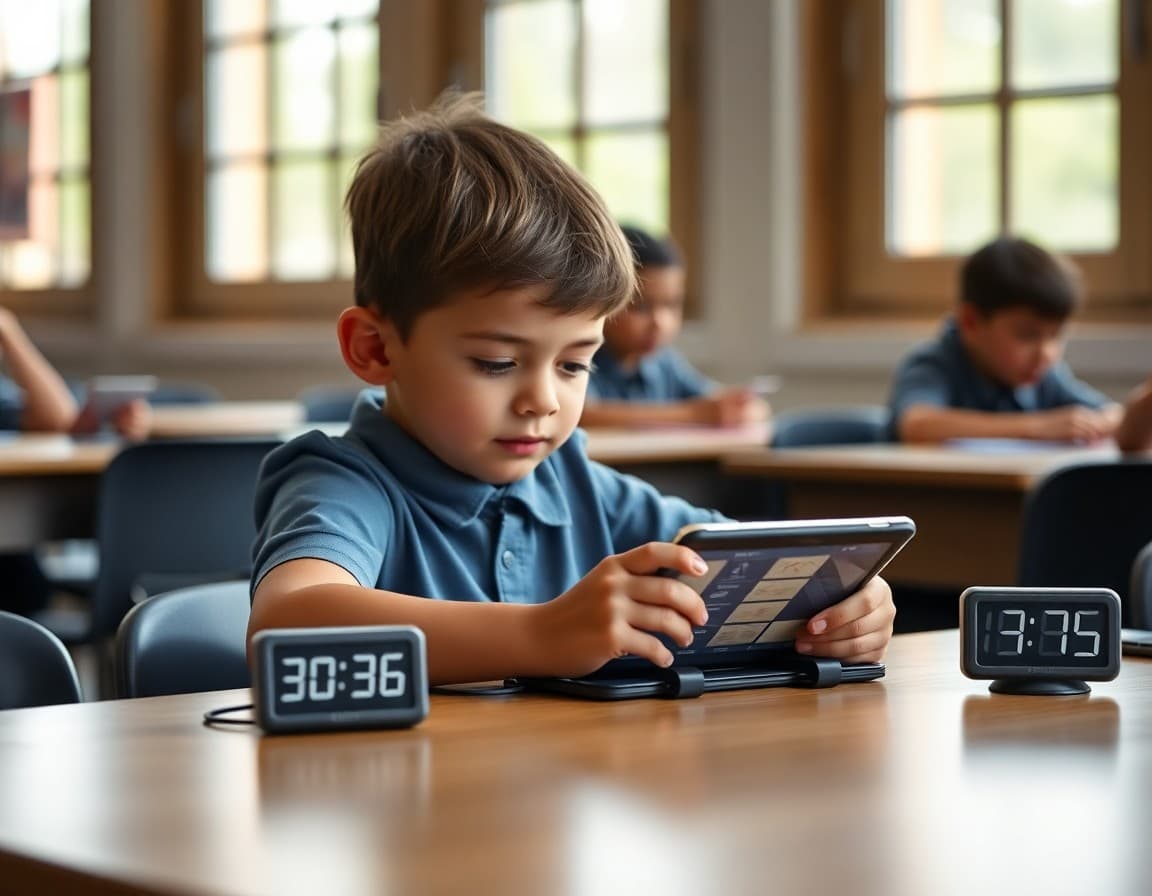
The most compelling school-related connection is sleep. Late-night screen use disrupts sleep, and disrupted sleep reliably affects attention, memory, emotional regulation, and behavior the following day. This is not a parenting lecture. It is a practical observation about what helps students learn. Framing it this way gives families a concrete, classroom-relevant reason to think about evening screen habits.
Share current research guidelines briefly
Reference current pediatric guidelines without presenting them as absolute rules. The American Academy of Pediatrics recommends consistent limits on recreational screen time for school-age children, with a particular focus on content quality and avoiding screens in the hour before bed. These are starting points for family conversation, not mandates.
Offer practical strategies, not just limits
Families who have tried to enforce screen time limits know that the approach matters as much as the number. Strategies that work: setting specific screen-free times like meals and the hour before bed rather than managing every minute of the day, using device-free zones in the bedroom, co-viewing or co-using screens with children to make screen time more interactive, and replacing screen time with specific appealing alternatives rather than just removing the screen.
Suggest alternatives that are actually appealing
"Read a book instead of watching a video" is only helpful if the student is motivated to read. Specific alternatives that are genuinely engaging are more effective than generic ones. An outdoor kit, a LEGO or building set, a craft project, an audiobook, a board game the family plays together. Alternatives that are actually inviting reduce the friction of reducing screen time.
Close with partnership rather than prescription
End by affirming that families are the experts on their own children and their own circumstances. You are sharing research and strategies, not judging how any specific family manages screen time. Invite families to reach out if they want more resources or are dealing with a specific screen time challenge that is affecting their student's school experience.
Daystage makes it easy to send a balanced, well-researched wellness newsletter that families appreciate because it comes from a place of support rather than judgment. A newsletter that treats families as thoughtful adults doing their best lands very differently from one that reads like a report card on their parenting.
Get one newsletter idea every week.
Free. For teachers. No spam.
Frequently asked questions
How do I write about screen time without sounding like I am judging family choices?
Frame the newsletter around sharing research and offering strategies rather than prescribing a specific limit. Acknowledge that screen time is a real challenge for most families and that the goal is balance and intentionality, not elimination. A tone of solidarity rather than lecture goes much further.
What does the research actually say about children's screen time?
Research distinguishes between passive consumption (social media, entertainment video) and active use (educational content, creative tools, video calls with family). Excessive passive screen time is consistently linked to sleep disruption, attention challenges, and reduced physical activity. Active, purposeful screen use has fewer negative associations. This distinction is worth making in your newsletter.
Should I recommend specific screen time limits in my newsletter?
Sharing current guidelines from the American Academy of Pediatrics or the WHO gives families a research anchor without making it sound like your personal opinion. Note that guidelines are general recommendations and that what matters most is intentionality and balance rather than hitting a specific number of minutes.
How does screen time connect to classroom learning?
Excessive or late-night screen use affects sleep, which significantly affects attention, memory consolidation, and emotional regulation the next day. This direct classroom connection is worth stating in your newsletter. It gives the conversation a school-relevant frame that is less likely to feel like parenting advice.
What tool helps teachers send screen time newsletters?
Daystage makes it easy to send a thoughtful wellness newsletter to your full class with research context and practical strategies, all formatted in a way families will actually read rather than skim.

Adi Ackerman
Author
Adi Ackerman is a former classroom teacher and curriculum writer with 8 years in K-8 schools. She writes about school communication, parent engagement, and what actually works in real classrooms.
More for Classroom Teachers
Ready to send your first newsletter?
3 newsletters free. No credit card. First one ready in under 5 minutes.
Get started free